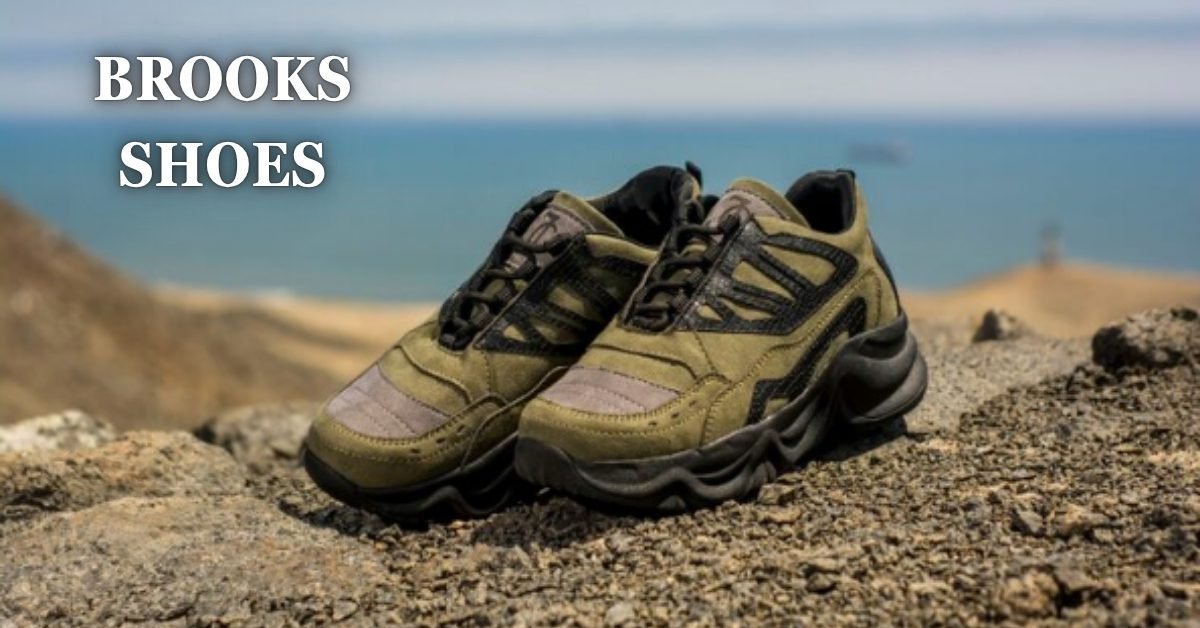
Brooks shoes cover a wider range than most people expect once you get past the running store wall of boxes. The lineup splits into cushioned daily trainers, stability builds for over pronators, trail-ready pairs, and even a walking-specific line that looks nothing like a race shoe. This guide breaks down which model actually matches your foot, your budget, and the way you’ll wear the shoe day to day, not just a spec sheet built for marathon training. By the end, you’ll know which Brooks pair to try first and which details to check before you spend $130 or more on a shoe you’ll wear on repeat.
In Short
Brooks shoes are built around cushioning and stability rather than speed, with the Ghost as the do-everything daily trainer, the Adrenaline GTS as the stability pick for over pronators, and the Glycerin as the plush, high-mileage option. Most people should try the Ghost first and size up half a size from their usual sneaker.
What Brooks Shoes Actually Get Right
Brooks built its reputation on comfort first, and that shows in the DNA Loft midsole foam used across most of the lineup. The foam sits softer underfoot than the firmer compounds found in racing-focused brands, which is exactly why Brooks shoes show up so often in walking recommendations even though the company markets itself as a running brand. That softness comes with a small tradeoff, since Brooks pairs tend to run slightly heavier than lightweight racing shoes from other brands, which matters if you’re chasing a personal best but barely registers if you’re wearing the shoe for a daily commute or an errand-filled Saturday.
Stability is the other half of the story. Brooks uses a feature called GuideRails on several models, which are strips of firmer foam positioned along the sides of the midsole rather than a rigid post running through the center. That design nudges an over pronating foot back toward a neutral path without forcing the whole shoe into one rigid shape, and it’s part of why Brooks shoes fit a wider range of foot types than a single stability shoe usually manages.
Sorting Through the Actual Models
Most of the confusion around Brooks shoes comes from the sheer number of named lines, so here’s what each one is actually built for.
- Ghost: The neutral daily trainer and the one most people should try first. It runs around $140 and works for running, walking, and standing all day without feeling like gym equipment.
- Adrenaline GTS: The stability version of the Ghost, built with GuideRails for runners and walkers whose feet roll inward. It sits close to $140 as well and comes in noticeably more width options than most competitors offer.
- Glycerin: The plush, high-cushion option for people who want the softest possible ride, priced closer to $160. It’s heavier than the Ghost, which makes it better suited to walking and easy miles than fast efforts.
- Launch: The lightest and least expensive line, usually under $100, with less cushion but a livelier feel underfoot.
- Cascadia: The trail-specific model, built with a gripper outsole and a slightly wider platform for uneven ground.
- Addiction Walker: A walking shoe built on a flatter, more structured last, styled closer to a leather sneaker than a foam running shoe, and the model most people overlook when they only search the running-shoe pages.
Widths Most Retailers Bury
Brooks offers several models in narrow, wide, and extra-wide builds, going up to a 4E on some men’s styles, which is wider than what most mainstream running brands stock in-store. If regular sneakers leave a hot spot along the outside of your foot by the end of the day, checking the width chart before ordering a Brooks pair online saves a return.
Choosing One for How You’ll Actually Wear It
The real mistake most buyers make is picking a Brooks model based on the technology on the box rather than the week they actually have. Someone running three times a week and walking the rest of the time gets more day-to-day value from the Ghost than from a race-specific shoe they’ll only wear twice a month. Someone on their feet for an eight-hour retail or hospital shift is usually better served by the Glycerin’s extra cushion or the Addiction Walker’s flatter, more supportive base than by a lighter trainer built for speed.
Styling matters more than most running-shoe guides admit. A Ghost or Adrenaline GTS in a muted grey or navy color way reads as a normal everyday sneaker with jeans or joggers, while the brighter neon color ways aimed at race day look distinctly like gym gear once you’re wearing them to run errands. If you’re already thinking through which sneaker earns a permanent spot in your rotation, the everyday sneaker breakdown in this site’s guide to shoe types covers the same fit and proportion logic that applies here, since a Brooks pair in a plain color way can absolutely fill that everyday-sneaker slot instead of sitting in a gym bag.
Foot mechanics play into this too, and it’s worth understanding the basics before assuming you need a stability shoe at all. According to background on foot pronation, a normal amount of inward roll during a stride is expected and only becomes a fitting concern when it’s pronounced enough to cause discomfort or uneven wear on regular shoes, which is a detail Brooks’ own product pages tend to skip in favor of pushing GuideRails as a default upgrade.
The Mistake Almost Everyone Makes With Brooks Sizing
Most people assume their Brooks size will match whatever size they wear in a casual sneaker, and that assumption is where fit complaints usually start. Brooks running shoes are built with a slightly roomier toe box than a typical lifestyle sneaker, which means the true-to-size fit on paper can still feel tight through the forefoot if you order your normal number. Many longtime wearers size up half a size specifically to give the toes room to splay during a long walk or run, since a cramped toe box is what causes blisters and black toenails on high-mileage days, not the cushioning underneath.
The confusion happens because shoe sizing isn’t standardized across brands the way clothing sizes loosely are, so a person’s Brooks size and their Nike size can genuinely differ by half a size without either shoe being mismeasured. Checking the width chart alongside the length, rather than assuming your regular size will translate directly, is the single detail that prevents most of the return requests retailers see on Brooks orders.
Budget and What’s Worth the Upgrade
Spending more on a Brooks shoe buys you incremental cushioning and durability rather than a dramatically different shoe, so the jump from a $100 Launch to a $160 Glycerin only makes sense if you’re logging serious daily mileage. For someone walking a few miles a day and wanting one reliable shoe, the Ghost at roughly $140 covers nearly every use case without paying for race-day features you won’t use. Runners training for a half marathon or full marathon get more out of paying for the Glycerin’s extra cushion, since the added foam actually earns its keep across long training blocks.
Resoling isn’t really an option with foam-midsole running shoes the way it is with leather dress shoes, so budgeting for a full replacement every 300 to 500 miles is the realistic maintenance plan. Rotating between two pairs, the same logic that extends the life of leather shoes, also helps foam cushioning recover its bounce between wears rather than compressing every single day.
Conclusion
Brooks shoes work best when you match the model to your actual week instead of the marketing copy on the box, starting with the Ghost if you’re unsure and moving to the Adrenaline GTS or Glycerin only once you know what your feet actually need. Check the width chart before you order, size up if your toes usually feel cramped by the end of the day, and pick a muted color way if the shoe needs to double as an everyday sneaker rather than gym-only gear. Try one pair in person before committing to a full rotation.
FAQ
Are Brooks shoes good for walking, not just running?
Yes, the softer DNA Loft cushioning and the dedicated Addiction Walker line make Brooks a common recommendation for all-day walking, not only running.
Do Brooks shoes run true to size?
Most people find the toe box roomier than a typical lifestyle sneaker, which is why many longtime wearers size up half a size for extra room.
Which Brooks shoe is best for wide feet?
The Adrenaline GTS and several Ghost styles come in wide and extra-wide options up to a 4E on some men’s builds, making them the easiest place to start.
What does GuideRails actually do in a Brooks shoe?
GuideRails are firmer foam strips along the sides of the midsole that gently correct inward foot roll without the rigid feel of an older-style stability post.
Are Brooks shoes worth the higher price compared to other brands?
The price mainly buys cushioning quality and width options rather than a dramatically different shoe, so it’s worth it for daily wear or high mileage but less necessary for occasional use.