Your women’s pant size measurements come down to four numbers: waist, hip, rise, and inseam, not the single digit printed on the tag. That single digit is the least reliable part of the whole system, because a size 8 at one brand can sit almost three inches apart in actual waist inches from a size 8 at another. This guide shows you exactly how to take each measurement correctly, why the numbered sizes drift so much between labels, and how to read a brand’s own chart instead of guessing from memory. By the end, you’ll know your real numbers well enough to shop any brand without ordering two sizes just in case.
Quick Answer
Measure your natural waist, fullest hip, front rise, and inseam with a soft tape, then match those inches to the specific brand’s own chart rather than your usual size number. Waist and hip decide fit, rise decides where the waistband sits, and inseam decides length.
The Four Measurements That Actually Decide Your Fit
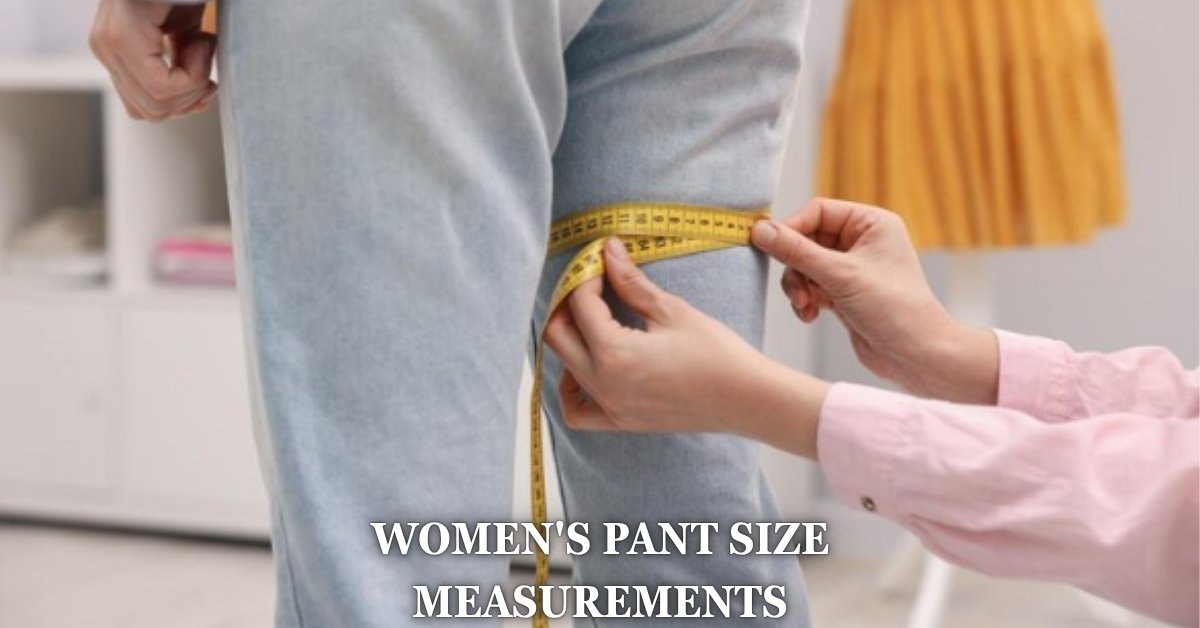
A pair of pants is built around four body measurements, and every size chart on the market is really just those four numbers translated into a label. Waist is the circumference at your natural waistline, the crease that shows up when you bend sideways at the torso. Hip is the fullest point around your seat and thighs, usually seven to nine inches below that waist crease depending on your proportions.
Rise is the one most shoppers skip, and it’s the one that causes the most returns. It’s the vertical distance from the crotch seam up to the top of the waistband, and it tells you whether a pair sits at your natural waist, on your hip bones, or somewhere low and slouchy in between. Inseam finishes the picture, running from the crotch seam down to wherever the hem lands on your ankle or shoe.
None of these four numbers substitutes for another. A brand with a generous hip allowance and a tight waist will fit completely differently than one with the opposite ratio, even if both claim to be a size 8.
How to Take Each Measurement Correctly
Use a soft tailor’s tape, not a rigid ruler, and take these measurements over thin clothing or close-fitting underwear so fabric bulk doesn’t throw off the number.
- Waist: Find your natural waist by bending gently to the side and noting where your torso creases, usually just above the belly button. Wrap the tape snug but not tight, keeping it level all the way around.
- Hip: Stand with your feet together and measure around the fullest part of your hips and seat, keeping the tape parallel to the floor front and back.
- Rise: Sit down on a hard chair, then measure from the chair seat up to your natural waistline in front. This seated method mimics how rise actually behaves once you’re not standing perfectly straight.
- Inseam: Measure a well-fitting pair of pants flat on the floor, from the crotch seam straight down to the hem, or run the tape along your own inner leg from the crotch to the ankle bone.
Write each number down before you start comparing charts. Most fit problems trace back to one mismeasured number rather than the whole system being wrong for your body.
The Sizing Mistake That Wastes the Most Returns
The most expensive mistake in pants shopping isn’t measuring wrong, it’s trusting a remembered size number over a fresh set of body measurements. Shoppers who know they’re “a 6” at one store carry that number into a completely unrelated brand, then blame their body when the fit is off. The confusion happens because clothing sizes were never standardized the way shoe sizes loosely are, so every label reflects one company’s internal fit model rather than a shared industry rule.
The correct habit is to treat the size number as disposable and the inch measurements as fixed. Your waist and hip circumference don’t change when you shop a different label, but the number attached to them absolutely does. Checking the specific chart for that specific pair, every time, is the only habit that actually prevents the wrong-size problem instead of just managing around it.
Why the Same Size 8 Isn’t the Same Waist Across Brands
This is the part almost no size guide shows side by side, because most brands only publish their own chart. Pulling several real charts together for the same labeled size makes the spread obvious in a way a single chart never does.
- Donna Karan, size 8: roughly 29.5 inch waist
- Zarely, size 8/M: roughly 31 inch waist
- Carhartt Reworked, size 8 to 10 (Medium): 30 to 31 inch waist
That’s close to a two inch spread on waist alone for a number that shoppers treat as fixed. Hip measurements drift by a similar margin, and the gap widens further once you compare misses sizing against a brand’s own boutique or petite lines, which often run a full size tighter through the waist to keep a closer fit through the leg. None of these brands are wrong, they’re simply built around different fit models, which is exactly why a chart lookup beats a remembered number every time you shop somewhere new.
Misses Sizes, W/L Numbers, and What They Actually Mean
Women’s pants show up in three different labeling systems, and mixing them up causes a lot of unnecessary size anxiety. The first is general lettered sizing, XS through XL, which is the loosest and least precise of the three since it covers a wide range of actual inches under one label.
The second is misses numbering, the familiar 0, 2, 4, 6, 8 scale that’s specific to women’s clothing and has no direct men’s equivalent. The third is waist and length sizing, written as W28 or 28×30, which states an actual waist inch measurement followed by inseam length and behaves much closer to how men’s pants are labeled.
A rough rule when you need to cross-reference a men’s pant size against women’s misses numbering: add about 21 to the misses number to estimate the equivalent men’s waist inch. A women’s size 8 lands close to a men’s 29 inch waist under that formula, though the fit through the hip and rise still won’t match since the two are cut from different patterns entirely. Treat it as a starting estimate, not a substitute for measuring.
Reading Rise to Predict Fit Before You Buy
Rise does more to change how a pair feels than most shoppers expect, and it interacts directly with the waist and hip numbers you already took. A high rise sits at or above your natural waist, which means more of the garment’s total length sits above your hip line. A low rise sits lower, closer to the hip bones, shortening the visible torso and shifting where your waist measurement should actually be taken for that specific style.
This same rise logic shows up in other bottoms too. The way rise height changes where a garment’s length actually lands on your body is the same principle behind why two pairs of pants labeled with an identical waist number can still sit at completely different points on your torso. If a brand’s chart lists rise separately, measure yourself seated for that number specifically, since a standing rise measurement tends to read shorter than how the pants actually behave once you sit down.
Stretch content matters here as well. A pair with two to four percent elastane will hold closer to its labeled measurement, while rigid, non-stretch fabric needs a slightly looser fit at the waist and hip to move comfortably through a full day.
Making It Work For You
Your women’s pant size measurements are four fixed inches, not one shifting label, and the fastest way to shop confidently is checking the specific brand’s chart against your own numbers every time. Keep those four measurements saved somewhere you can pull up quickly, and revisit the fit and proportion guides in this site’s style section whenever a new silhouette has you second-guessing size. Measure once, and every future purchase gets faster.
FAQ
Why do pant sizes vary so much between brands?
There’s no single mandatory sizing standard across the clothing industry, so each brand builds its chart around its own fit model, which is why the same size number can span a couple of inches of actual waist between labels.
What’s the difference between misses sizes and W sizes?
Misses numbers like 0 through 18 are a proprietary women’s scale with no direct inch meaning, while W sizes state your actual waist measurement in inches, closer to how men’s pants are labeled.
How do you convert a women’s pants size to a men’s size?
Add roughly 21 inches to the misses number for a rough men’s waist estimate, though the hip and rise will still fit differently since the two patterns are cut from separate body models.
Should you size by your waist or your hip if they don’t match a single size?
Size up to your larger measurement, usually the hip, and check the smaller size’s finished waist measurement separately to see if it still works with a belt or slight take-in.
Do you need to remeasure for high-rise versus low-rise pants?
Yes, since rise shifts where the waistband sits on your torso, a waist measurement taken for a high-rise pair won’t predict fit accurately for a low-rise style from the same brand.