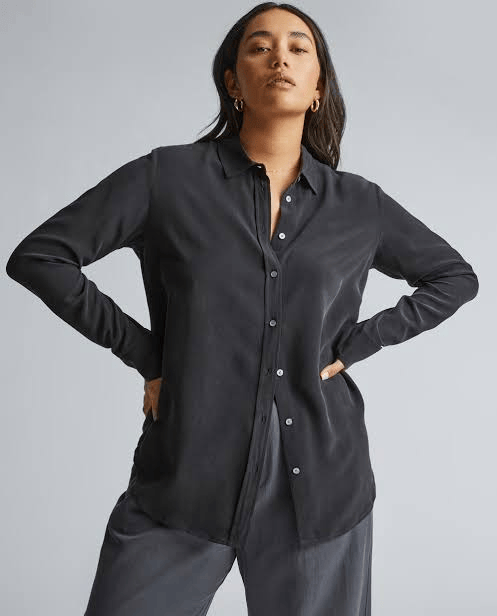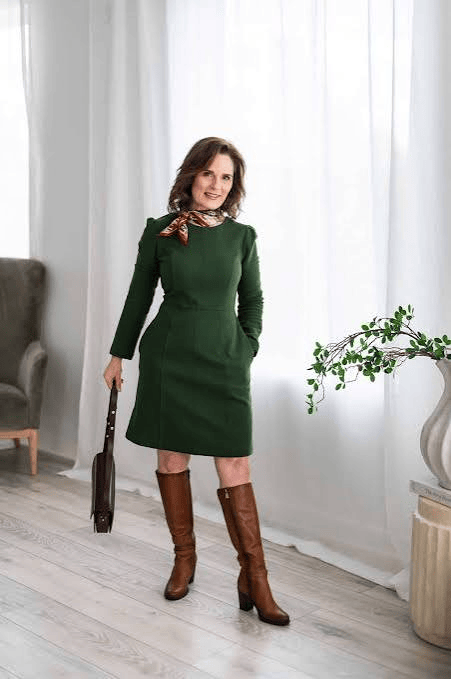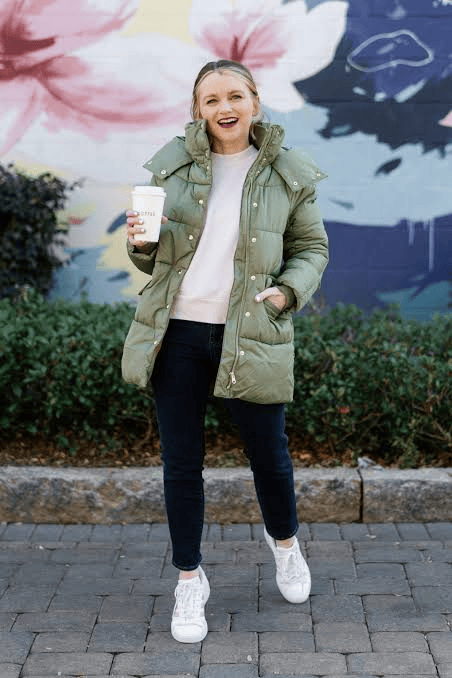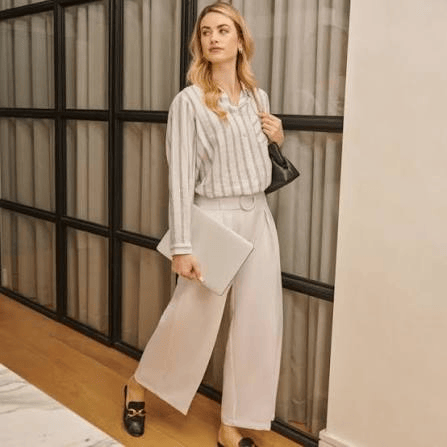
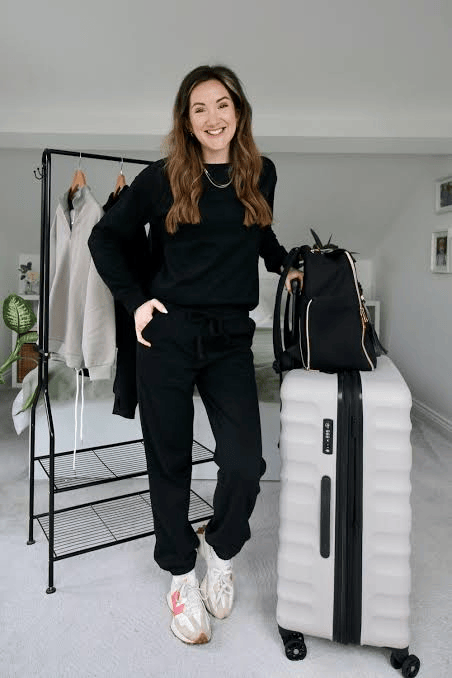
Choosing the best clothes for travel can make a big difference in how comfortable and confident you feel throughout a trip. Whether you are planning a weekend getaway, a long-haul flight, a summer vacation, or a city break, the right travel wardrobe should be comfortable, versatile, easy to pack, and suitable for your destination.
Packing is not just about fitting everything into a suitcase. You also need clothing that works with the weather, allows you to move comfortably, and can be styled for more than one occasion. A pair of lightweight pants might work for a flight and sightseeing, while a simple dress can be dressed down with sneakers or styled for dinner with a different pair of shoes.
For travelers in the United States, the best approach is to build a practical capsule wardrobe around a few reliable pieces rather than packing an entirely different outfit for every day. Breathable tops, comfortable pants, versatile dresses, lightweight layers, and supportive walking shoes can cover many common travel situations.
This guide explains what to wear while traveling, which fabrics are worth considering, how to build outfits for different destinations, and what to look for before buying travel clothing in 2026.
What Are the Best Clothes for Travel?
The best travel clothing combines comfort, versatility, suitable fabric, and a fit that works for your plans. You do not necessarily need clothing marketed specifically for travel. Everyday wardrobe basics can work just as well when they are comfortable, easy to care for, and suitable for your destination.
Here are the main pieces to consider:
- Comfortable travel pants: Choose a fit that lets you sit, walk, and move without restriction.
- Basic T-shirts and tops: Neutral or coordinating colors make it easier to create multiple outfits.
- Lightweight layers: A cardigan, zip-up jacket, or sweater can help when temperatures change.
- Versatile dresses: A simple dress can work for sightseeing, casual meals, and some evening plans.
- Comfortable walking shoes: Prioritize support and fit, especially if your itinerary includes long walks.
- Weather-appropriate outerwear: A rain jacket, warm coat, or sun-protective layer may be essential depending on your destination.
- Practical accessories: A crossbody bag, sunglasses, and a lightweight scarf can add function without taking up much luggage space.
The right combination depends on where you are going, how long you will stay, what activities you have planned, and whether you will have access to laundry facilities.
1. Comfortable Travel Pants for Long Days
Travel pants are among the most useful items to pack because they can work for flights, road trips, sightseeing, and casual dinners. The best pair should fit comfortably around the waist and hips, provide enough room for movement, and suit the weather.
Stretch-Woven Pants
Stretch-woven pants are worth considering for travelers who want a more polished look without the stiffness of traditional trousers. They may include a small amount of elastane or spandex to allow movement.
Look for a waistband that stays comfortable while sitting, pockets that suit your needs, and a fabric weight appropriate for the climate. A straight-leg or tapered silhouette can be easy to pair with T-shirts, button-down shirts, and lightweight sweaters.
Best for: City breaks, long travel days, casual work trips, and sightseeing.
Wide-Leg Travel Pants
Wide-leg pants offer a relaxed silhouette and can feel comfortable in warm weather when made from a lightweight, breathable fabric. They also create outfits that look more polished than basic lounge wear.
Choose a length that works with your shoes and check whether the material becomes transparent in bright light. If you plan to pack them, check the care label and whether the fabric is likely to crease.
Best for: Warm-weather vacations, city sightseeing, casual dinners, and comfortable airport outfits.
Joggers and Pull-On Pants
Joggers and pull-on pants are practical choices for long flights, road trips, and casual travel days. Look for soft fabric, a comfortable waistband, and a fit that does not feel too tight around the knees or ankles.
Not every jogger works for every occasion. A clean, simple design in a neutral color is generally easier to style than a pair with bulky pockets, large graphics, or athletic details.
Best for: Flights, road trips, relaxed weekends, and casual sightseeing.
Jeans for Travel
Jeans can be useful when you want a versatile outfit that works in cooler weather or for casual evenings. However, thick or rigid denim may feel restrictive on a long flight, particularly if you prefer more room around your waist and thighs.
If you choose jeans, try sitting in them before your trip. A straight-leg or relaxed pair with some stretch may be more comfortable than a very tight style, depending on your preferences.
Best for: City trips, cooler destinations, and outfits that need to transition from daytime sightseeing to casual dining.
2. Breathable Tops and T-Shirts
A small selection of comfortable tops can create many outfits when the colors work together. For a practical travel wardrobe, consider packing basic T-shirts, a long-sleeve top, and one or two slightly dressier options.
Cotton T-Shirts
Cotton T-shirts are familiar wardrobe staples that can work for warm-weather trips and everyday layering. They pair easily with jeans, travel pants, shorts, and skirts.
The main consideration is drying time. Cotton can take longer to dry than some synthetic fabrics, especially in humid conditions. If you expect to wash clothing during your trip, consider the climate and how much time you will have for laundry.
Moisture-Wicking Tops
Moisture-wicking tops may be useful when you expect to walk extensively, travel in warm weather, or participate in outdoor activities. Their performance depends on the fabric construction and garment design.
Check the fabric composition and care instructions before buying. A moisture-wicking label does not automatically mean a top will be comfortable in every climate, so consider breathability, fit, and how the material feels against your skin.
Long-Sleeve Shirts
A lightweight long-sleeve shirt provides extra coverage and can work as a layer in air-conditioned spaces. It is also useful for destinations where temperatures vary between daytime and evening.
Choose a shirt that coordinates with your pants and can be worn open over a T-shirt or buttoned for a more polished look.
Packing tip: Choose tops that work with at least two or three items already in your suitcase. This helps you create more outfits without adding unnecessary weight.
3. Lightweight Dresses for Easy Travel Outfits
A versatile dress can simplify packing because it creates a complete outfit in one piece. Depending on the design, you may be able to wear it for daytime exploring, casual lunches, and evening plans.
Travel-friendly dresses are often chosen for comfort, easy care, and the ability to be styled in different ways. Travel + Leisure’s 2026 dress coverage also highlights features such as wrinkle resistance, versatility, pockets, and packability. <Cite refs={[“turn981756search1″,”turn981756search2”]}/>
T-Shirt Dresses
A T-shirt dress offers a relaxed shape that can be paired with sneakers, sandals, or a lightweight jacket. It is a simple choice for casual sightseeing and warm-weather travel.
Look for a length that lets you move comfortably and fabric that feels appropriate for the climate. If you want to wear it more than once, choose a color that works with the shoes and outerwear you plan to pack.
Midi Dresses
A midi dress can be useful when you want an outfit that feels a little more polished without requiring several separate pieces. Depending on the cut and material, it can work for museums, restaurants, shopping, and casual evening plans.
A solid color or subtle print may be easier to restyle than a highly specific pattern. Pockets can also be useful, although you should not rely on dress pockets to carry valuables securely.
Wrinkle-Resistant Dresses
If you prefer to unpack and wear an outfit with minimal preparation, look for a dress marketed as wrinkle-resistant or made from a fabric known to hold its shape well.
No garment is guaranteed to remain completely crease-free after being packed tightly. Test the dress at home by folding it for a few hours and checking its appearance before your trip.
Best overall approach: Pack one dress that suits several occasions instead of bringing several dresses you can only wear once.
4. Lightweight Jackets and Layering Pieces
Temperatures can change throughout a travel day. An airport may feel cool, a sunny destination may become windy in the evening, and a warm afternoon can turn chilly after sunset.
Layering makes it easier to adapt without packing a bulky collection of clothing.
Cardigans
A lightweight cardigan works over T-shirts, dresses, and sleeveless tops. Choose a neutral shade that coordinates with most of your travel wardrobe.
A cardigan can be useful for air-conditioned buildings, flights, and cooler evenings. Fold it into your personal item if you want easy access during transit.
Zip-Up Jackets
A simple zip-up jacket is a practical option for casual travel. It is easy to put on and remove, and it works well with joggers, jeans, and everyday sneakers.
Consider the weight and warmth of the fabric. A thin layer may be enough for mild conditions, while colder destinations require more substantial outerwear.
Packable Rain Jackets
If rain is possible at your destination, a lightweight rain jacket can be more useful than an umbrella alone, especially when you plan to walk outdoors.
Look for details such as a hood, secure pockets, comfortable sleeves, and a fit that leaves room for a sweater underneath. Check the product description for water-resistance claims rather than assuming every lightweight jacket is waterproof.
Sweaters for Cooler Destinations
A sweater can help you stay warm during fall and winter trips. Merino wool and suitable synthetic blends may be worth comparing for their warmth, weight, and care requirements.
A bulky sweater can take up considerable suitcase space, so consider wearing your heaviest layer during transit when practical.
5. The Best Travel Shoes for Walking and Exploring
Shoes can affect your comfort as much as your clothing. If your itinerary includes sightseeing, public transportation, shopping, or long airport connections, prioritize footwear that fits properly and is comfortable for extended use.
Walking Sneakers
Walking sneakers are a practical choice for many city trips and travel days. Look for a secure fit, comfortable cushioning, and enough room for your toes.
If you are buying new shoes for an upcoming vacation, wear them several times beforehand. A trip is not the ideal time to discover that a pair rubs against your heel or feels uncomfortable after an hour.
Comfortable Flats
Flats can be useful when you want an alternative to sneakers for restaurants, casual meetings, or lighter walking days. Look for a stable sole and a design that does not pinch your toes.
Very thin soles may not provide enough comfort for extensive walking, so consider your planned activities before choosing them as your main travel shoe.
Sandals for Warm Weather
For beach holidays and hot-weather destinations, comfortable sandals can be a useful addition. If you plan to walk long distances, choose a pair with a secure fit and suitable support.
Flip-flops may work around a pool or beach, but they are not always the best choice for full days of sightseeing.
How Many Shoes Should You Pack?
For many short trips, two versatile pairs may be enough: one comfortable pair for walking and another suited to your destination or evening plans. Longer trips and specialized activities may require additional footwear.
Wear your bulkiest pair during transit when it makes sense. This can free up space in your suitcase.
6. Best Fabrics for Travel Clothing
Fabric choice affects comfort, drying time, wrinkles, and how much space clothing takes up. No single fabric is perfect for every destination, so consider the weather and activities you have planned.
Polyester and Nylon Blends
Polyester and nylon blends are commonly used in performance and travel-oriented clothing. Depending on the fabric construction, they may be lightweight, quick-drying, or less prone to creasing than some natural fabrics.
Check how the garment feels against your skin and whether it offers the breathability you need. Fabric quality varies, and a synthetic material is not automatically comfortable in hot or humid conditions.
Stretch Blends
Garments containing elastane or spandex may offer more flexibility than rigid fabrics. This can be useful for pants, fitted tops, and clothing worn during long periods of sitting.
Check the fabric composition and fit. Stretch does not automatically mean that a garment will retain its shape after repeated wear and washing.
Merino Wool
Merino wool is worth considering for selected travel basics and cooler conditions. Depending on the garment, it can offer warmth without excessive bulk and may be suitable for layering.
Care instructions matter. Some wool garments require gentle washing or air-drying, which may not suit every travel schedule.
Cotton
Cotton is familiar, comfortable for many people, and useful for everyday T-shirts and casual clothing. However, it can take longer to dry than some performance fabrics and may crease during packing.
Cotton can still be a good travel choice if you have enough room in your luggage and do not need garments to dry quickly.
Linen and Linen Blends
Linen is popular for warm-weather outfits because it has a light, airy feel. Its main drawback is that it tends to wrinkle, especially when folded tightly in a suitcase.
If you love linen, you do not need to avoid it. Consider linen blends, textured fabrics that disguise creases, or outfits where a relaxed, slightly wrinkled look is part of the style.
Quick Fabric Comparison
| Fabric | Potential benefits | What to consider |
|---|---|---|
| Polyester blends | May resist wrinkles and dry quickly | Breathability and fabric feel vary |
| Nylon blends | Often lightweight and useful for activewear | Some garments may feel less breathable |
| Stretch blends | Flexibility and ease of movement | Check shape retention and care needs |
| Merino wool | Useful for layering and cooler weather | May need special care |
| Cotton | Familiar, versatile, and comfortable | Can take longer to dry and may crease |
| Linen | Light, relaxed feel for warm weather | Wrinkles easily |
The fabric label is a starting point, not a guarantee of performance. Garment construction, weave, thickness, and fit also matter.
7. How to Build a Travel Capsule Wardrobe
A travel capsule wardrobe is a small group of clothing items that can be combined into several outfits. It helps reduce overpacking and makes getting dressed easier when you are away from home.
Instead of selecting each outfit separately, choose pieces that share a color palette and work for your itinerary.
Example Packing List for a 7-Day Trip
This sample list is designed for a casual trip with mild weather. Adjust it for your destination, planned activities, and access to laundry.
| Clothing item | Suggested quantity |
|---|---|
| Basic T-shirts or tops | 4 |
| Long-sleeve top or blouse | 1 |
| Comfortable pants or jeans | 2 |
| Shorts or a skirt | 1 |
| Versatile dress | 1 |
| Cardigan or lightweight sweater | 1 |
| Jacket suitable for the forecast | 1 |
| Walking shoes | 1 pair |
| Secondary footwear | 1 pair |
| Sleepwear | 1–2 sets |
| Underwear and socks | According to trip length and laundry access |
This is a flexible example, not a required formula. You may need fewer items for a weekend or more specialized clothing for hiking, formal events, or changing climates.
Choose a Coordinated Color Palette
Pick two or three main colors and use them throughout your wardrobe. For example, black, white, and beige can work together with blue denim and a single accent color.
This makes it easier to pair different tops with the same pants. It also helps you avoid packing clothing that only matches one other item.
Plan Outfits Before Packing
Lay out your intended outfits before putting anything in your suitcase. Check whether each top works with more than one bottom and whether your shoes suit most of the combinations.
If a garment only works for one specific occasion, ask whether it is worth the luggage space. Special events are an exception when a particular outfit is necessary.
Leave Room for Weather Changes
Check the forecast close to departure and consider the range of temperatures rather than only the daytime high.
For unpredictable weather, a light layer may be more useful than packing a second heavy sweater. For cold destinations, however, proper insulation and weather protection should take priority over minimizing luggage.
8. What to Wear on a Plane
The best airplane outfit should let you sit comfortably for an extended period, adjust to cabin temperatures, and move through the airport without unnecessary fuss.
A Practical Airport Outfit
Consider combining:
- Stretch or relaxed-fit pants.
- A soft T-shirt or breathable top.
- A cardigan, sweatshirt, or light jacket.
- Comfortable sneakers.
- A small crossbody bag or personal item for essentials.
This combination is easy to adapt and works for many casual travel situations. Choose pieces that feel comfortable around your waist and do not restrict your movement when seated.
Avoid Overly Restrictive Clothing
Very tight waistbands, stiff pants, or shoes that pinch can become uncomfortable during long journeys. Try sitting in your outfit at home if you are unsure about the fit.
You do not need to wear pajamas to be comfortable. Clean, simple basics can feel relaxed while still looking put together.
Bring a Layer Within Reach
Cabin temperatures can vary, so keep a cardigan, sweater, or lightweight jacket where you can access it without unpacking your entire bag.
If you are traveling to a different climate, wear or carry a layer that will help you adjust when you arrive.
9. Best Clothes for Different Travel Destinations
Your destination should guide your clothing choices. The same packing list will not work equally well for a tropical vacation, a winter city break, and an outdoor adventure.
Warm-Weather and Beach Vacations
For hot destinations, prioritize lightweight clothing, breathable fabrics, and outfits that dry within a reasonable time.
Consider packing:
- Cotton or lightweight blend tops.
- Shorts, skirts, or airy pants.
- A versatile dress.
- Swimwear and a cover-up if needed.
- Comfortable sandals.
- Sun-protective clothing and a hat where appropriate.
If you plan to spend time outdoors, consider clothing with a suitable UPF rating and follow local sun-safety guidance. A light color alone does not guarantee meaningful sun protection.
Cold-Weather City Trips
Cold destinations require a different approach. Instead of packing many bulky items, focus on layers that work together.
Consider:
- Thermal or base-layer tops.
- Long-sleeve shirts.
- Sweaters or fleece layers.
- Warm pants.
- An insulated coat appropriate for the forecast.
- Weather-suitable shoes or boots.
- Warm socks, gloves, and a hat if needed.
Check expected temperatures, wind, and precipitation before deciding how much insulation to pack.
Weekend City Breaks
For a short city trip, a small wardrobe of coordinated basics may be enough. Comfortable pants, a few tops, a light jacket, sneakers, and one slightly dressier outfit can cover many casual activities.
Think about the amount of walking you expect to do. If you plan to visit museums, shop, and explore neighborhoods all day, prioritize comfortable shoes and clothing that allows free movement.
Business Travel
Business travel may require clothing that looks polished but remains practical during transit. Depending on your workplace and meetings, consider wrinkle-conscious trousers, a blouse or button-down shirt, a lightweight blazer, and comfortable formal shoes.
Choose items that can be mixed and matched. A blazer may work with travel pants for a meeting and with jeans for a more casual dinner, depending on the dress code.
Hiking and Outdoor Adventures
For hiking, nature trips, or other active travel, choose clothing based on the activity and conditions rather than fashion alone.
Consider moisture management, freedom of movement, weather protection, and appropriate footwear. For colder or wet environments, use suitable layers and equipment recommended for the activity.
Regular fashion leggings and casual sneakers may not provide the protection or support required for challenging terrain.
10. How to Pack Clothes Without Wasting Space
A thoughtful packing method can help you organize your suitcase and make your clothing easier to access.
Roll or Fold Strategically
Rolling can make some casual garments easier to organize, while structured items may fold better. Neither method eliminates all wrinkles, so consider the fabric and garment shape.
Place delicate or easily creased items near the top where they are less likely to be compressed under heavier belongings.
Use Packing Cubes
Packing cubes can help separate tops, bottoms, underwear, and other items. Compression cubes may reduce the space occupied by some clothing, but they do not reduce the weight of your luggage.
Avoid compressing delicate garments excessively if doing so may create creases or damage their shape.
Wear Bulky Items During Transit
If practical, wear your heaviest shoes, jacket, or sweater while traveling. This can save suitcase space, especially when using a carry-on bag.
Make sure the outfit remains comfortable for the duration of your journey.
Pack a Small Laundry Kit
For longer trips, a small laundry bag and travel-size detergent suitable for your clothing may be useful. Before relying on handwashing, check whether your garments can be washed that way and whether they will dry in time.
Quick-drying clothing can be helpful when laundry facilities are limited, but drying time depends on humidity, airflow, and fabric construction.
11. How to Shop for Travel Clothes on a Budget
You do not need to replace your entire wardrobe before a trip. Start with the pieces you already own and buy only what fills a genuine gap.
Prioritize Versatility
A pair of comfortable pants that works with three tops may be more useful than a statement piece that only suits one outfit.
Before buying anything, consider how many times you can realistically wear it during the trip and whether it works with your existing shoes and outerwear.
Compare Cost and Use
An inexpensive item can be good value if it fits well and suits your needs. A more expensive item may also be worthwhile if you expect to wear it frequently. Price alone does not establish quality or comfort.
Check the product description, fabric composition, sizing information, and return policy. If buying online, look for consistent customer feedback about the features that matter to you.
Shop Your Closet First
Try on clothing you already own and build several outfits around it. This helps you identify what you are missing before spending money.
You may only need a lightweight jacket, a comfortable pair of pants, or shoes suitable for longer walks.
Look for Seasonal Discounts
Retailers may offer discounts at different times of the year, but prices and availability change. Compare the final cost, shipping, and return conditions rather than choosing an item based only on the advertised discount.
12. Common Travel Clothing Mistakes to Avoid
Packing Too Many Outfits
Packing a different outfit for every possible situation can fill your suitcase quickly. Build combinations from versatile basics and add special clothing only when your itinerary requires it.
Buying New Shoes Right Before Departure
Even well-made shoes may need time to feel comfortable. Wear a new pair before your trip and make sure it suits the amount of walking you expect to do.
Ignoring the Weather Forecast
A wardrobe that works in warm, dry conditions may be unsuitable for cold, windy, or rainy weather. Check the forecast before finalizing your packing list.
Choosing Style Over Comfort
A garment may look great in a product photo but feel restrictive when you sit or walk. Test the fit and consider the activities you will do while wearing it.
Assuming Wrinkle-Resistant Means Wrinkle-Free
Wrinkle-resistant fabrics can still develop creases, particularly when packed tightly. Read product descriptions carefully and test garments at home if their appearance matters for an event.
Forgetting Practical Details
Check pockets, closures, care labels, and whether your clothing works with the shoes you are bringing. Small details can make an outfit more useful during a busy travel day.
Frequently Asked Questions About the Best Clothes for Travel
What are the best clothes for travel in 2026?
The best clothes for travel in 2026 are comfortable, versatile, suitable for the weather, and easy to combine into multiple outfits. Travel pants, breathable tops, lightweight layers, versatile dresses, and comfortable walking shoes are useful starting points.
What should I wear on a long flight?
For a long flight, consider comfortable pants, a soft top, a lightweight layer, and supportive shoes. Avoid clothing that restricts movement or becomes uncomfortable when you sit for extended periods.
Which fabrics are best for travel clothes?
The best fabric depends on your destination and priorities. Polyester and nylon blends may offer useful wrinkle resistance or quick drying, while cotton can work well for everyday comfort. Merino wool may suit layering, and linen can be useful in warm weather if you are comfortable with wrinkles.
How many outfits should I pack for a 7-day trip?
For a casual seven-day trip, start with a few coordinating tops, two or three bottoms, one versatile dress or alternative outfit, a lightweight layer, and suitable shoes. Adjust the quantities based on weather, activities, laundry access, and personal needs.
Are leggings good for travel?
Leggings can be a practical option for flights, road trips, and casual sightseeing if they fit comfortably and suit your activities. Check the fabric, waistband, and opacity, and consider whether you need a more structured outfit for certain occasions.
What are the best clothes for travel if I want to pack light?
Choose clothing that can be worn in multiple combinations, use a coordinated color palette, and avoid packing items that serve the same purpose. Lightweight layers and versatile basics can reduce the number of separate outfits you need.
Are wrinkle-resistant clothes worth buying for travel?
They may be worth considering if you want to reduce ironing or need clothing that looks polished after being packed. Check the fabric details and customer feedback, since wrinkle resistance varies and does not mean a garment will stay completely crease-free.
What should I wear for summer travel?
For summer travel, consider lightweight tops, breathable pants or shorts, dresses, comfortable sandals or sneakers, and suitable sun protection. Choose fabrics and fits that feel comfortable in the expected temperature and humidity.
How can I look stylish while traveling comfortably?
Build outfits around comfortable basics, coordinated colors, and one or two versatile layers. Clean sneakers, a simple jacket, a well-fitting pair of pants, and a practical bag can create a polished look without sacrificing comfort.
Should I buy special travel clothing or use everyday clothes?
Everyday clothing can work well for travel if it is comfortable, easy to care for, and suitable for the destination. Specialized travel clothing may be useful when you need particular features such as quick drying, weather protection, or reduced wrinkling.
Final Verdict: Build a Travel Wardrobe That Works for You
The best clothes for travel are not necessarily the most expensive or the ones marketed specifically to travelers. They are the pieces that help you stay comfortable, dress appropriately for your destination, and create several useful outfits without overpacking.
Start with comfortable pants, coordinating tops, a versatile dress or alternative outfit, a lightweight layer, and shoes that suit your planned activities. Choose fabrics based on the climate, care requirements, and how you want your clothing to perform.
Before buying, check garment measurements, fabric composition, customer feedback, and the retailer’s return policy. A little planning can help you avoid unnecessary purchases and make better use of the clothing you already own.
Whether you are planning a weekend getaway, a cross-country trip, or an international vacation, a practical travel capsule wardrobe can make packing simpler and getting dressed easier throughout your journey.