Cardigan sweaters get sorted by color and price far more often than by the two details that actually decide whether one earns a permanent spot in your closet: knit gauge and fiber weight. This guide walks through how those two factors change fit, warmth, and cost before color or button style even enter the decision, plus which combination actually suits the way you already get dressed. You will also see five real outfit builds, the fit mistake that makes a good cardigan look sloppy, and how to keep one from stretching or pilling after a season of wear. By the end, choosing a cardigan sweater should feel like matching a garment to a job you need it to do, not guessing from a rack of near-identical options.
In Short
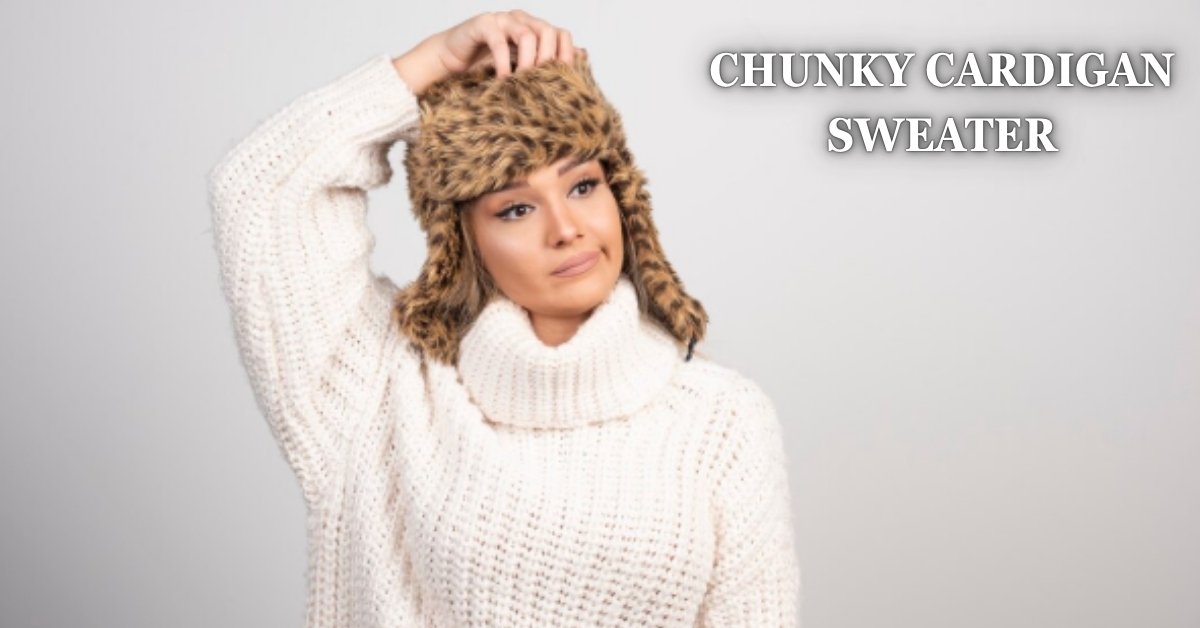
A cardigan sweater’s knit gauge and fiber content matter more than color, since gauge decides how it layers and fiber decides warmth, price, and durability. Fine gauge merino suits layering under blazers, while a chunky wool or cashmere cardigan works better worn alone.
Gauge Decides More Than Color Ever Will
Gauge is the density of the knit, and it is the detail almost every cardigan guide skips in favor of talking about buttons and necklines. A fine gauge cardigan, knit tightly enough to sit under a blazer without adding bulk at the shoulder, behaves completely differently from a chunky cable knit meant to be worn as the outermost layer. Mid gauge sits between the two, thick enough to work as a standalone top over a tee but still thin enough to fit under a coat on a cold commute.
Skipping this step is how a cardigan ends up unworn. A chunky, cable knit cardigan bought because the color photographed well will not fit under the blazers or jackets a reader already layers with, so it gets pushed to the back of the closet after two wears. Checking gauge against your actual layering habits before checking color saves the return shipping and the closet space both.
Choosing the Right Fiber for How You’ll Actually Wear It
Fiber content sets the price tier and the warmth-to-weight ratio, and the two rarely move together the way shoppers expect. A cotton or cotton-acrylic blend cardigan, typically priced from about twenty five to fifty five dollars, breathes well and machine washes easily, which makes it the practical choice for a cardigan worn several times a week over tees and button-downs. It runs cooler than wool, so it suits mild climates or air-conditioned offices more than genuinely cold weather.
Merino wool sits in the next tier up, usually landing between seventy and one hundred forty dollars, and it offers real warmth without the itch associated with coarser sheep’s wool. A merino cardigan in a fine gauge does double duty as both an office layer and a travel piece, since it resists wrinkling and regulates temperature across a full day better than cotton does. Cashmere and wool-cashmere blends occupy the top tier, generally starting around one hundred fifty dollars and climbing well past three hundred for pure cashmere, trading affordability for a lighter, softer knit that holds warmth without the bulk of an equivalent wool piece.
Federal law requires that the exact fiber percentages appear on the garment’s label, listed in order of predominance by weight, so a cardigan billed as a wool-cashmere blend will show precisely how much of each fiber it actually contains rather than leaving that to marketing language. The generic fiber names and percentages by weight must be listed in descending order of predominance, according to the FTC’s guidance on the Textile and Wool Acts, which is worth a quick check before paying a cashmere price for a cardigan that is mostly wool.
Getting the Fit and Silhouette Right for Your Body
Shoulder seam placement matters more on a cardigan than on almost any other knit, since an open front layer draws the eye straight to where the fabric meets the arm. The seam should sit at the actual edge of the shoulder rather than dropping down the arm, and a dropped seam on a cardigan reads as borrowed clothing even faster than it does on a pullover. Sleeve length should hit right at the wrist bone when the cardigan is buttoned, since sleeves that bunch or ride short pull attention away from whatever is underneath.
Length changes the silhouette more than most shoppers expect going in. A cardigan that hits at the hip works as a straightforward layer over jeans or trousers, while a duster length, falling to mid thigh or lower, functions more like a light coat and needs a fitted piece underneath to keep the overall shape from reading shapeless. Cropped cardigans, ending above the natural waist, pair best with high-waisted bottoms so the proportion break happens at the same point the cardigan already stops, rather than fighting a lower-rise waistband.
Five Ways to Style a Cardigan Sweater
Each of these leans on a different gauge and fiber, since a fine merino cardigan and a chunky cotton one do different jobs even though both count as a cardigan sweater. Treat gauge as the first decision, then build the outfit around what that specific knit can actually do.
The office layer
A fine gauge merino cardigan in a neutral like camel or charcoal goes over a button-down or a sleeveless blouse, worn buttoned to the second button and left open below. Straight-leg trousers and a low block heel keep the proportion clean, and the merino’s fine knit means it slides under a blazer without adding visible bulk at the shoulder.
The weekend errand look
A mid gauge cotton cardigan, left fully unbuttoned, goes over a plain tee and straight denim. A crossbody bag in tan or cognac breaks up the neutral palette without adding another decision, and this is the version of a cardigan that survives a full day of errands without a second thought.
The layered dress look
A cropped or hip length cardigan over a slip dress works especially well through a transitional season, when a dress alone runs too cool but a coat runs too warm. Choose a cardigan in a contrasting texture, a cable knit over a smooth satin dress for example, so the layering reads intentional rather than like an afterthought grabbed on the way out.
The evening look
A cashmere or wool-cashmere cardigan, worn open over a fitted top with wide leg satin trousers, does the work a blazer usually does but with more movement. Gold jewelry plays off cashmere’s warmth more successfully than silver, and a pointed flat or a kitten heel keeps the whole look from tipping too casual.
The travel layer
A fine gauge cardigan in a neutral color packs flat and works over almost anything already in a carry-on, which makes it more useful than a bulkier piece for a trip with mixed climates. If you are building out a small rotation of pieces that all work together this way, outfit ideas built around what you already own is worth working through alongside this list, since a well-chosen cardigan tends to anchor several of those combinations at once.
The Cardigan Sweater Mistake That Fills a Closet with Unworn Layers
Most cardigan shopping happens by scrolling through color options first, then checking fit almost as an afterthought, which is backward from how the garment actually gets worn. A chunky cardigan bought because the color matched a Pinterest board will not layer under the coats or blazers a reader already owns, and a cardigan that cannot be worn with the rest of an existing wardrobe ends up worn once or twice before it stops getting reached for at all.
The confusion happens because product photography flattens gauge completely. A cardigan photographed flat or on a mannequin under even lighting looks roughly the same thickness whether it is a fine merino knit or a bulky cable weave, so shoppers assume any cardigan will slot into their rotation the same way. It will not. Before buying, check the gauge against the layers already in your closet, since a cardigan that cannot pair with what you actually wear underneath it is a cardigan that will not get worn, regardless of how good the color looked online.
Keeping a Cardigan Sweater From Losing Its Shape
Cold water and a gentle cycle, or hand washing for cashmere and fine merino, keep the fibers from felting and shrinking the way hot water and agitation tend to cause. Laying the cardigan flat to dry rather than hanging it wet matters just as much, since a wet knit left on a hanger will stretch under its own weight and lose the shoulder shape that made it fit well in the first place. This applies even more to cardigans than to pullovers, because the open front and button placket carry extra weight that pulls unevenly on a hanger.
Storage habits matter after the washing is done. Folding a cardigan rather than hanging it, especially anything in wool or cashmere, prevents the shoulder points and button band from stretching over weeks of storage. A fabric comb or sweater shaver run gently over pilled areas, particularly under the arms and along the sides where friction from bags or elbows happens most, keeps an otherwise good cardigan from looking worn out long before it actually is. If you want a broader set of pieces that pair naturally with a cardigan rotation, a working list of accessories worth owning covers the bags, jewelry, and scarves that show up across several of the outfit combinations above.
Conclusion
A cardigan sweater earns its keep when gauge and fiber are chosen to match the layers you already reach for, not chosen by color first and fit second. Start by checking what gauge fits under your existing coats and blazers, then pick the fiber tier that matches how often you plan to wear it. That single adjustment usually decides whether a cardigan becomes a weekly layer or a piece that sits folded in a drawer.
FAQ
What’s the difference between a cardigan and a sweater?
A cardigan is technically a type of sweater, distinguished by its open front and button or zip closure, while the term sweater more often refers to a pullover style that has to go on over the head.
What is the best material for a cardigan sweater?
Merino wool offers the best balance of warmth, softness, and price for everyday wear, while cashmere is warmer and lighter but costs significantly more and needs gentler care.
How should a cardigan sweater fit?
The shoulder seam should sit at the actual edge of the shoulder rather than dropping down the arm, and the sleeves should hit at the wrist bone when buttoned, regardless of whether the overall silhouette is fitted or oversized.
Can you wear a cardigan sweater year round?
Yes, as long as the gauge and fiber change with the season, since a fine gauge cotton cardigan works through warmer months while a chunky wool or cashmere piece is better suited to genuinely cold weather.
How do you keep a cardigan sweater from pilling or stretching out?
Wash in cold water and lay flat to dry rather than hanging it wet, and store it folded instead of on a hanger, since the open front and button band stretch unevenly under their own weight over time.