Most guys own too many sneakers and not enough of anything else, which is exactly why shoe types for guys turns into a confusing search. There are really only six categories worth knowing, and once you understand what each one is built for, buying shoes stops being guesswork. This guide breaks down the sneakers, boots, loafers, and dress shoes that actually earn a place in a working rotation, along with the fit and proportion details that decide whether a pair looks intentional or accidental. By the end you will know exactly which shoes to buy first, which ones to skip, and how to make five or six pairs cover every situation you run into.
The Short Version
A practical men’s shoe rotation covers six categories: a clean sneaker, a pair of leather boots, a loafer, a derby or oxford for dressier days, a rugged boot for weather, and one sandal for warm weather. Most guys only need two or three of these at a time, chosen around their actual week rather than a checklist.
The Shoe Categories Every Guy Actually Rotates Through
The Everyday Sneaker
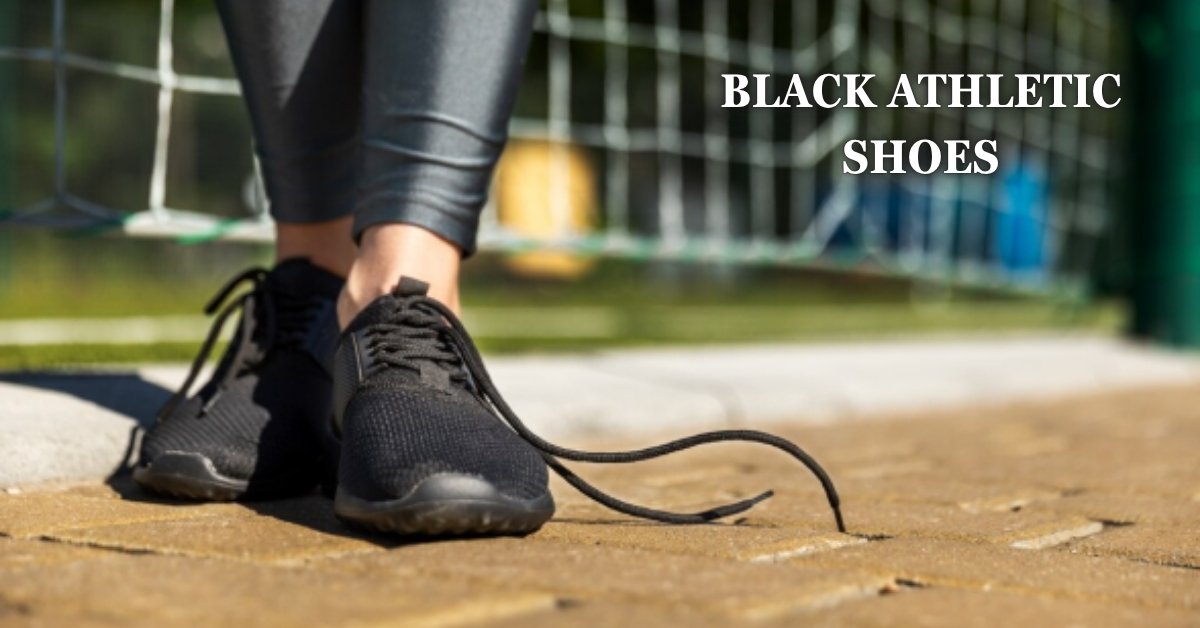
A clean leather or suede sneaker is the piece that does the most work in a modern rotation. Look for a low-profile silhouette in white, off-white, or a muted grey rather than anything with heavy branding or a chunky sole, since the plainer version pairs with jeans, chinos, and even a lightweight suit without fighting the rest of the outfit. A pair like this typically runs somewhere between $80 and $180 depending on whether you go canvas or leather, and leather holds its shape longer if you’re only planning to own one. The site’s own breakdown of New Balance’s running silhouettes, chunky lifestyle shoes, and casual everyday styles is a useful next stop if you want a specific sneaker recommendation once you know what shape you’re after.
Derbies and Oxfords
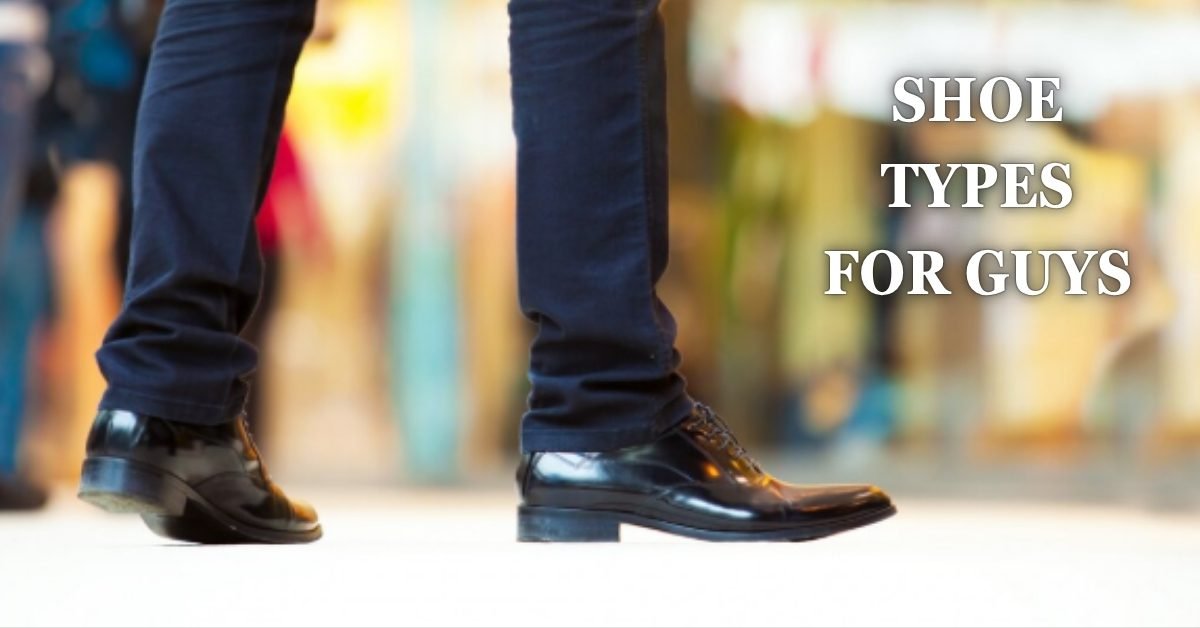
Derbies and oxfords cover the dressier half of a rotation, and the difference between them comes down to the lacing. An oxford has a closed lacing system, meaning the eyelet panels are stitched under the vamp, which gives it a sleeker, more formal line that suits a matched suit or a wedding. A derby has an open lacing system instead, with the panels sitting on top of the shoe, and that small structural difference is what makes derbies more forgiving for guys with wider or higher-volume feet. Black oxfords are the one truly formal shoe worth owning, while a brown derby handles everything from smart-casual work to a dinner reservation.
Loafers
Loafers are the shoe most guys underuse, and that’s a mistake because nothing else bridges dressy and casual as cleanly. A penny loafer in dark brown leather works with chinos, tailored shorts, or rolled-cuff trousers without a sock in warm weather, while a suede loafer leans slightly more relaxed for evening plans. Skip anything with heavy hardware or a glossy finish unless the rest of your wardrobe already runs toward statement pieces, since a plain loafer stays useful for far longer than a trend-driven one.
Boots, Two Different Jobs
Boots split into two real categories, and conflating them is where a lot of guys waste money. A Chelsea boot, with its elastic side panel and no laces, is a dress boot that works under trousers for office days and cold-weather weddings, and a dark brown or black pair in leather is worth the investment because it replaces a dress shoe for half the year. A rugged leather work boot, by contrast, is built for actual weather and rough ground, with a thicker sole and reinforced toe, and it belongs with jeans or heavier trousers rather than tailoring. Buying one boot expecting it to do both jobs is how guys end up disappointed in a $200 purchase.
The One Warm-Weather Sandal
A single pair of sandals rounds out the rotation for anyone who spends real time somewhere warm. A leather slide or a simple two-strap sandal in brown or black works with shorts and a linen shirt without reading as beachwear only, which matters if you’re wearing them to a casual restaurant rather than just the pool. Skip sport sandals with heavy tread unless you’re actually hiking or near water, since they rarely translate to anything else in a normal week.
The Part Most Guides Skip
Most shoe guides for men treat this topic as a vocabulary lesson, walking through fifteen or thirty types of dress shoes most guys will never buy and barely mentioning what an average week actually looks like. That approach makes sense for someone building a full formalwear wardrobe, but it leaves the person who searched shoe types for guys with a list of names and no actual direction. The real misconception is thinking a complete rotation means owning more shoes, when it actually means owning the right six categories and knowing which two or three you personally need in heavy rotation.
The fix is to think in terms of your actual week rather than an abstract checklist. A guy who works from home three days a week and dresses business casual the other two needs a sneaker, a loafer, and maybe one derby, not a full formal collection sitting mostly unworn in a closet. A guy attending weddings and client dinners regularly needs the oxford and the Chelsea boot to actually earn their keep. Matching the categories to real occasions, instead of collecting every type because a guide listed it, is what separates a rotation that gets worn from one that just takes up closet space.
How Many Pairs You Actually Need
The Five-Pair Baseline
Five pairs covers almost every situation a typical guy runs into across a year, and going much beyond that usually means duplicating a category rather than adding a new one. A sneaker and a loafer handle the bulk of casual and smart-casual days, a derby or oxford covers work and formal events, a boot handles cold or wet weather, and a sandal takes over once the temperature climbs. Building toward that five-pair spread, one purchase at a time, gets you further than buying three sneakers because they were on sale.
Why Rotation Matters More Than Count
Rotation matters as much as the count itself, since wearing the same pair of leather shoes two days in a row without letting them air out is what shortens their life fastest. Leather needs roughly twenty-four hours to release the moisture it absorbs during a wear, so alternating between two pairs, even two fairly similar ones, adds real years to both. This is one of the details that gets skipped in most shoe guides entirely, even though it changes how long a $150 pair of derbies actually lasts. If you’re already thinking about the rest of a practical men’s wardrobe alongside the shoes, building a capsule wardrobe around pieces you already reach for rather than a fresh shopping list follows the same logic that makes a five-pair shoe rotation work.
Where to Spend and Where to Save
Budget-wise, it makes more sense to spend more on the sneaker and the derby, since those get worn several times a week, and less on the sandal or the rugged boot, which see far less use. A well-made leather derby in the $150 to $220 range, resoled once, will outlast three cheaper pairs bought back to back. Oxford construction, in particular, has stayed largely unchanged since the style’s origins as a closed-lacing alternative to the earlier open-laced derby, which is part of why a well-built pair still looks current decades later.
Conclusion
A working rotation for shoe types for guys comes down to six categories, not thirty, and the two or three you actually need depend on your real week rather than a formal vocabulary list. Start with a clean sneaker and one dress shoe, alternate them so leather has time to recover, and add a boot and a loafer once those two are earning their keep. That approach gets you further, and looks more intentional, than owning ten pairs that were never chosen with a purpose.
FAQ
What are the basic shoe types every guy needs?
A sneaker, a derby or oxford, a loafer, a Chelsea boot, a rugged weather boot, and a sandal cover nearly every situation, though most guys only wear two or three of these regularly.
How many pairs of shoes should a man actually own?
Five well-chosen pairs across the core categories cover a typical year better than a large collection of near-duplicate sneakers or dress shoes.
What’s the real difference between a derby and an oxford?
An oxford has a closed lacing system stitched under the vamp for a sleeker, more formal look, while a derby’s open lacing sits on top of the shoe and fits a wider range of foot shapes.
Can white sneakers work with a suit?
A plain, low-profile white sneaker in leather can work with a lightweight, unstructured suit for a lower-key event, but it reads as too casual for anything traditionally formal like a wedding or job interview.
How often should leather shoes be rotated to make them last?
Leather needs about a day to release the moisture it absorbs during wear, so alternating between at least two pairs rather than wearing one daily meaningfully extends how long each pair lasts.