
A graduation dress gets judged on the wrong things most of the time. Once the gown goes on, only a narrow strip at the collar and a few inches at the hem are ever visible, which means fit and length decide the outcome far more than color, print, or trend. This guide breaks down exactly what to check before buying, from the collar shape that peeks above the zipper to the hem length that keeps fabric from bunching at the knee. You’ll also get real outfit combinations for warm and cold ceremonies, plus the one mistake that ruins otherwise good graduation photos.
Quick Answer
A graduation dress should have a hem at least two inches shorter than the gown and a collar or neckline simple enough to sit flat under a zipper. Fabric weight matters more than color since only a small section of the dress will ever be seen once the robe is on.
What Actually Shows Once the Gown Goes On
Most graduation gowns close at the front with a zipper or snap placket that runs from the collarbone down to about waist height, and the collar itself sits somewhere between a crew neck and a slight V, depending on the manufacturer. Whatever sits directly under that closure is the only part of your dress a camera or a seatmate will actually see for most of the ceremony. A deep V-neck dress will show a sliver of extra skin at the top of the zipper, while a boat neck or crew neck sits cleanly against most gown collars without gapping.
The other visible section is the hem, since gowns typically fall somewhere between mid-calf and ankle depending on height and manufacturer sizing. Anything longer than the gown itself will drag along the floor during the walk across the stage, and anything cut short enough to clear the gown by more than a few inches will show through as a visible line when you sit down. A midi length that lands an inch or two above the gown’s own hem tends to solve both problems at once, since it stays hidden while seated and never catches underfoot while walking.
The Dress Length That Works With Your Gown
Checking your actual gown length before buying a dress saves a return trip more often than color or fabric ever does. Most rental gowns run from about 45 to 52 inches depending on height, so a knee-length or midi dress in the 38 to 44 inch range from shoulder to hem clears the gown by a safe margin on most frames. A maxi dress can still work, but only if it’s genuinely made to sit shorter than a standard gown, since an unaltered floor-length dress will pool visibly at the ankles the moment you sit for the ceremony.
Sitting through a full commencement is the real test that most dress descriptions never account for. A structured, straight-cut dress can ride up uncomfortably when you’re seated for an hour, while a dress with a slight A-line or a soft gather at the waist moves with your body instead of pulling across the lap. Trying the dress on and actually sitting in a chair for several minutes, not just standing in front of a mirror, catches this problem before the ceremony does.
Fabric and Comfort Under a Robe
Fabric weight changes how a dress behaves once it’s trapped under a heavy polyester or matte crepe gown for two or three hours. A lightweight cotton-blend, linen, or fine jersey breathes and won’t cling the way a heavier synthetic will once body heat builds up under the robe, which matters most for outdoor or un-air-conditioned venues in late spring. Structured fabrics like taffeta or thick brocade tend to trap heat and can also catch on the gown’s zipper pull, so a smoother weave underneath avoids the small snags that show up in photos as a bunched shoulder seam.
Sequins and heavy beading deserve a specific warning here, since they’re one of the few genuinely candid tips most graduation guides skip entirely. A beaded bodice can snag directly on a gown’s metal zipper teeth when you’re putting the robe on or taking it off between the ceremony and photos afterward, occasionally pulling threads loose or leaving small pulls in delicate fabric. A dress with any embellishment near the collarbone is safest in a version where the beading is sewn flat rather than raised, or saved for a piece worn during photos once the gown comes off. Checking the care label before buying also matters here, since a dress that needs professional cleaning after one warm, long day in a robe is a real cost to factor in, and the Federal Trade Commission’s guide to care labeling explains what those symbols and instructions are actually required to tell you.
Does a Graduation Dress Have to Be White
White holds on as the default graduation color mostly through tradition rather than any actual rule, and most schools leave the dress underneath entirely up to the graduate. Pastel shades in blush, sage, or soft blue photograph well against most gown colors and don’t carry the same risk of looking see-through under bright stage lighting that a thin white fabric sometimes does. Deeper jewel tones like emerald or burgundy work particularly well for graduates in navy or black gowns, since the contrast at the collar and hem actually reads more intentional in photos than a plain white dress often does.
Some schools do set actual dress codes, particularly for high school ceremonies or programs with a matching-color tradition for the graduating class, so it’s worth checking with the registrar or student affairs office before shopping rather than assuming any color is open. Once that’s confirmed, color becomes mostly a personal and photographic decision rather than a rule to follow, and a shade that suits your skin tone will do more for how the day’s photos turn out than sticking to white out of habit.
Building the Outfit Around Your Body and the Season
A shorter frame benefits from many of the same proportion rules that apply to dress shopping generally, since a hem that’s correctly midi length on a taller person can run past the knee on someone 5’4″ or under. Checking what actually makes a petite dress fit correctly before buying helps here, since the same waist placement and sleeve length issues that show up in everyday dresses will show up just as clearly at the collar and hem of a graduation look.
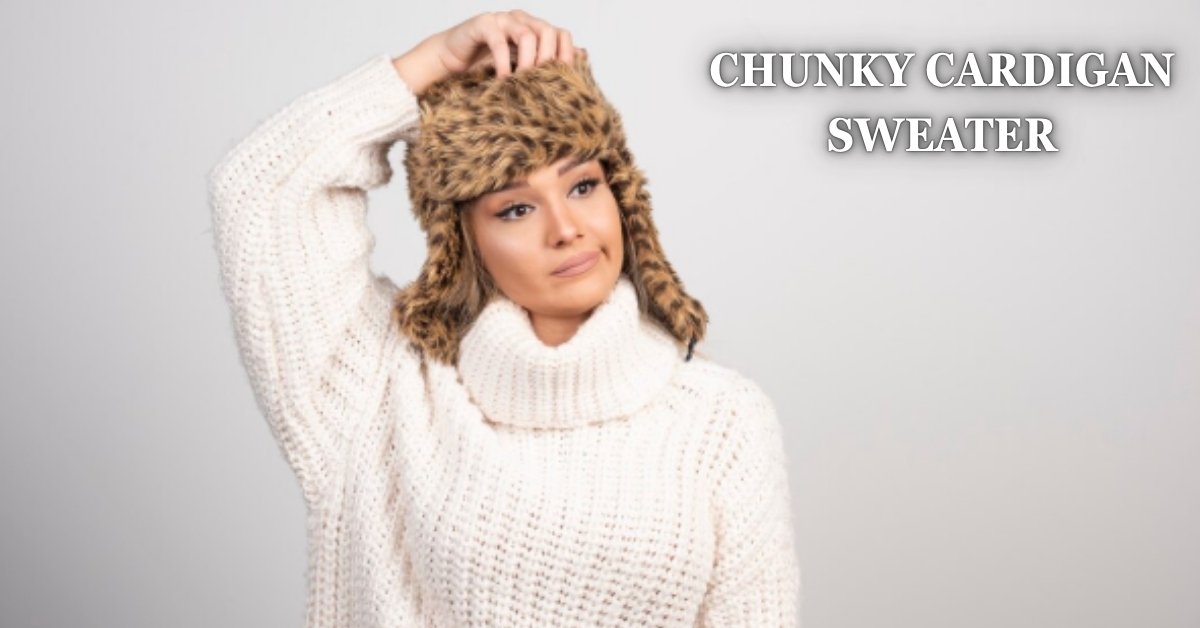
Season changes the calculation more than most shoppers expect going in. A spring or summer ceremony calls for the breathable fabrics already mentioned, ideally paired with a sleeveless or short-sleeve cut that won’t trap heat under a heavy gown. A fall or early-winter ceremony held outdoors is a different problem entirely, since a sleeveless dress alone won’t keep you warm for the twenty or thirty minutes spent outside before and after the robe comes off. Layering a lightweight cardigan over the dress for those stretches, then removing it once the gown goes on, solves the temperature swing without changing what’s visible during the actual ceremony, and choosing the right knit gauge for that layer keeps it from adding bulk under a coat if the venue is genuinely cold.
The Graduation Dress Mistake That Ruins the Photos
The most common mistake isn’t color or even length, it’s buying a dress based entirely on how it looks standing in a full mirror, which is the one way you’ll almost never actually be seen that day. Shoppers pick a dress for the silhouette it creates from shoulder to hem, then discover on the actual day that a gown hides eighty percent of that silhouette and leaves only a thin strip of fabric doing any visual work at all.
This mismatch happens because product photos and dressing-room mirrors show the entire garment, while a robe changes the entire equation the moment it goes on. Trying the dress on with an actual gown, even a borrowed one from a friend or a rental pickup a few days early, catches this before the ceremony does rather than after. If a full trial run isn’t possible, holding a coat or robe of similar length over the dress and checking the collar and hem in a mirror gets close enough to spot an obvious problem.
Conclusion
The dress that works best on graduation day is the one built around what a gown actually reveals, not the one that looks best on a hanger. Check the collar against your gown’s neckline, confirm the hem sits a couple of inches shorter than the robe, and pick a fabric that can handle several hours of heat and movement without wrinkling or catching on the zipper. Try the whole combination on together before the day itself, since that’s the one step most graduation dress shopping skips entirely.
FAQ
Does a graduation dress have to be white?
No, white is tradition rather than a rule at most schools, though some programs do set specific dress-code colors, so it’s worth checking with the registrar first.
What do you wear under a graduation gown so nothing shows?
A dress with a simple neckline that sits flat under the zipper and a hem cut a couple of inches shorter than the gown keeps almost everything hidden except the collar and a thin strip at the bottom.
What length should a graduation dress be?
A knee-length or midi dress that clears the gown’s own hem by an inch or two works for most heights, since anything longer risks dragging and anything much shorter can show while seated.
Can a graduation dress be worn again afterward?
Yes, and choosing a versatile color and cut, rather than something built specifically for one ceremony, makes it easy to wear again for a summer wedding or a formal dinner.
What should you wear if the ceremony is outdoors and cold?
A lightweight cardigan or shawl worn over the dress before and after the robe goes on handles the temperature swing without affecting what shows underneath during the ceremony itself.