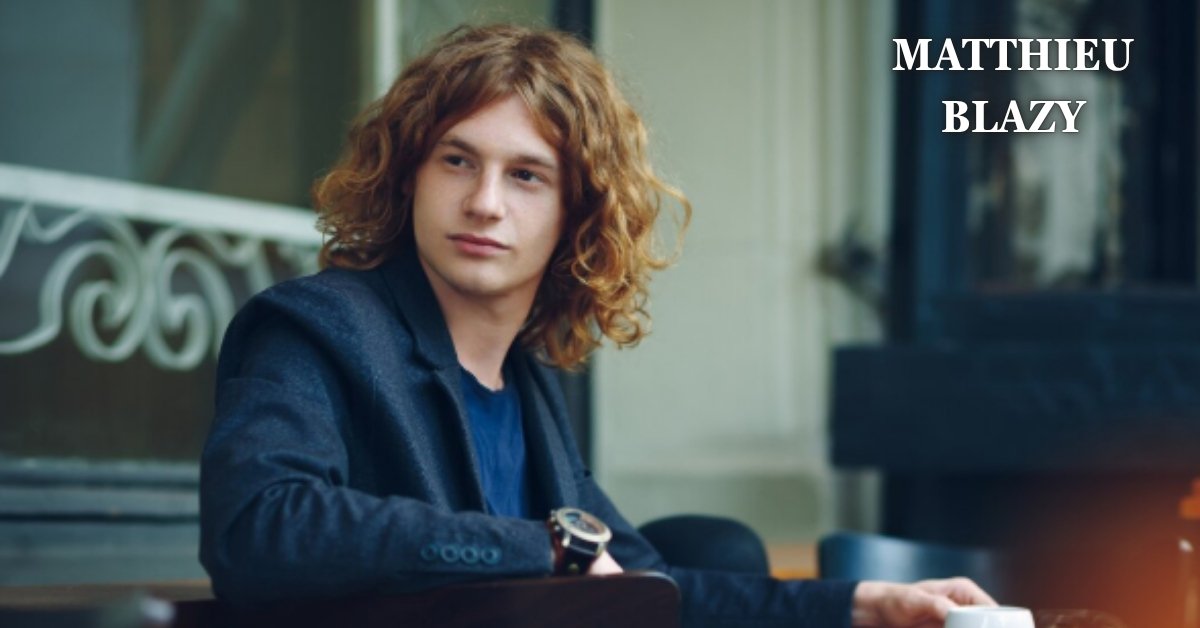
Matthieu Blazy runs two completely different wardrobes at once, and only one of them is realistic for anyone reading this. As Chanel’s artistic director, he designs trompe l’oeil leather jeans and tweed built from molten looking knit, pieces most people will never own. What he actually wears to work, and to his own runway bows, is a cashmere sweater, a white tee, faded jeans, and sneakers. By the end of this guide, you will know exactly what makes up that off-duty uniform, where it comes from, and how to build a version of it for a fraction of a couture budget.
In Short
Matthieu Blazy’s personal style is deliberately plain: cashmere knits, white tees, faded jeans, and sneakers, worn in contrast to the elaborate craft he designs for Chanel and previously Bottega Veneta. The look draws on Belgian minimalism rather than Parisian showmanship, and it is genuinely easy to recreate on a normal budget.
Who Matthieu Blazy Actually Is Right Now
Blazy has been Chanel’s artistic director since April 2025, the first designer brought in from outside the house since Karl Lagerfeld took the job decades earlier. Before that, he spent three years running Bottega Veneta, where he built a reputation for material trickery and quiet craft rather than logo driven spectacle. His path there ran through some of fashion’s most influential design rooms: menswear under Raf Simons, the artisanal line at Maison Margiela, women’s ready to wear under Phoebe Philo at Céline, and a stretch at Calvin Klein.
That résumé matters because it explains the split this article is built around. Every house Blazy passed through prized restraint over performance, and he absorbed that lesson personally as much as professionally. The clothes he designs are elaborate. The clothes he wears are not, and that gap is the actual story behind the search.
The Uniform He Actually Wears Off the Runway
Strip away the runway lighting and Blazy’s own clothes barely change from season to season. A neutral cashmere sweater, usually a crewneck or quarter zip, gets draped across his shoulders or tied around his waist rather than fully worn. Underneath sits a plain white T-shirt, and below that a pair of faded, slightly worn in blue jeans. Sneakers finish it, almost always something low profile and unbranded looking rather than a chunky statement shoe.
His hair stays cropped short, now flecked with gray, and he rarely does interviews or posts on social media, which keeps the focus on the work rather than the man wearing it. After a show, he walks to the center of the runway, takes a short bow, and disappears backstage within seconds, always in that same handful of pieces. It reads less like an outfit and more like a decision he made once and never revisited.
Where the Confusion Between His Clothes and His Style Comes From
Most coverage of Matthieu Blazy blurs his personal wardrobe together with what walks down his runways, and that mix up is where a lot of readers get stuck. His Chanel collections include silk jeans built to look like denim, tweed knit to resemble molten metal, and leather cut to fool the eye into seeing something else entirely. None of that reflects what he puts on his own body each morning.
The confusion happens because runway imagery is what circulates, while a designer’s actual daily clothes rarely get photographed with the same attention. Blazy’s trompe l’oeil pieces are a design language aimed at the customer and the archive. His cashmere and jeans are a personal choice aimed at getting through a workday without thinking about it twice. Separating the two is the difference between admiring his craft and actually copying his look.
How to Build the Off-Duty Blazy Look on a Normal Budget
The pieces themselves are ordinary enough that a real version of this uniform costs a small fraction of anything with a Chanel label attached. Fit and proportion do more work here than any specific brand name, since the look depends on pieces that sit easy on the body rather than anything tailored tight.
- A crewneck or quarter zip cashmere sweater in a neutral tone, roughly seventy to one hundred fifty dollars from a mainstream retailer, worn draped over the shoulders rather than zipped up
- A heavyweight plain white T-shirt, twenty to thirty five dollars, with enough structure that it holds its shape under a sweater
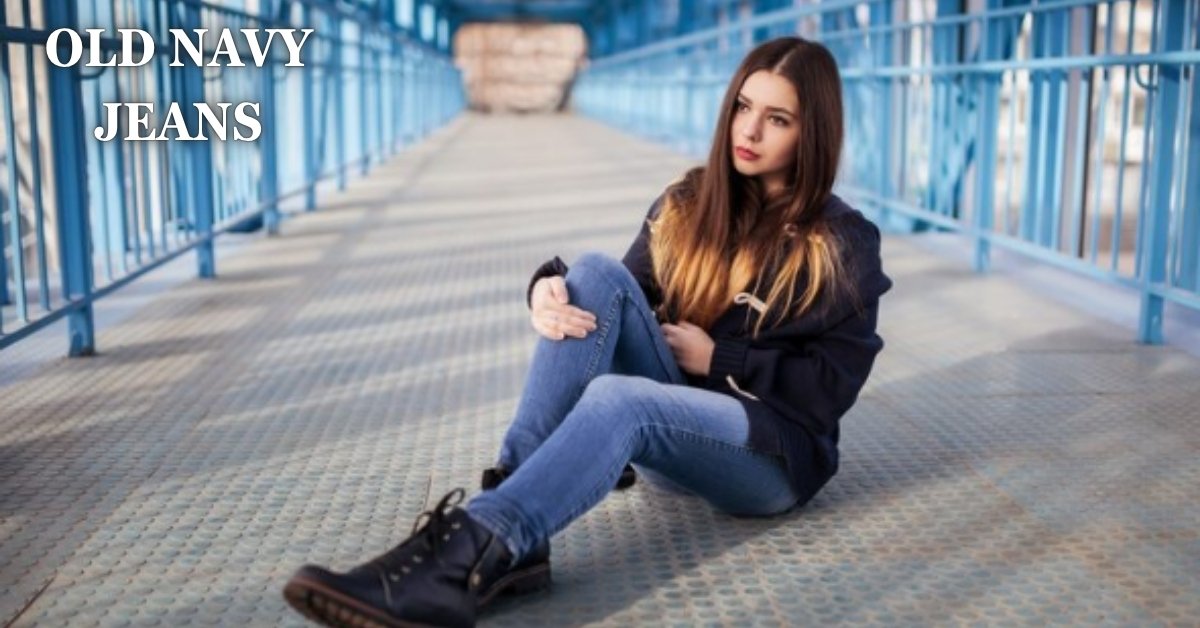
- Straight or slightly tapered jeans in a faded mid blue wash, seventy to one hundred twenty dollars, avoiding anything with heavy distressing or a stiff dark rinse
- A low profile leather sneaker in white or a muted tone, ninety to one hundred fifty dollars, skipping chunky soles or visible branding
Building a small rotation like this is really a miniature version of the same logic behind any well planned men’s capsule wardrobe, where a handful of pieces earn their place by working together rather than standing out individually. Four items, worn on repeat, do more for a personal uniform than a closet full of one off pieces ever will.
Where This Restraint Actually Comes From
Blazy’s plain wardrobe is not a random preference. It traces directly back to the Belgian design tradition he trained in under Margiela, where anonymity was practically doctrine and the four white stitches marking a garment mattered more than any personal image. That tradition sits in sharp contrast to the showman era of Karl Lagerfeld, whose white ponytail and gloves became as recognizable as the house he ran, and it is worth understanding that broader lineage if the Belgian and avant garde design world is new territory, since several of today’s most talked about creative directors came up through the same handful of studios.
Business of Fashion has tracked how unusual this is for someone holding one of the industry’s biggest jobs, noting that Blazy built his reputation through the design studio rather than through public visibility. That approach is genuinely rare at his level, where most creative directors lean into personal branding as part of the role. Blazy appears to have decided the clothes should do that work instead, which is consistent with everything he has built since Margiela.
Why the Same Man Designs Trompe L’oeil Leather and Wears Plain Denim
This is not really a contradiction once you look at what both wardrobes are actually doing. The runway pieces exist to prove a level of craft, silk that reads as denim, knit that reads as metal, tricks that only work because the construction underneath is flawless. His own jeans and sweater exist to disappear entirely, so the craft on display belongs to the collection and not to him.
Both choices come from the same instinct: control what gets noticed. On the runway, that means the garment. Off it, that means nothing at all, which is exactly why his plain uniform is the part of his style any reader can actually take home.
Conclusion
Matthieu Blazy’s actual style is not the trompe l’oeil tailoring headlines focus on, it is the cashmere, white tee, faded jeans, and sneakers he wears every day underneath it. Start there if the goal is a real, wearable version of his look rather than a runway fantasy. Pick one neutral cashmere piece and a well worn pair of jeans, and build outward from that instead of chasing anything with a Chanel price tag on it.
FAQ
What is Matthieu Blazy’s personal style?
Off the runway he sticks to a neutral cashmere sweater, a white T-shirt, faded jeans, and simple sneakers, a plain uniform that contrasts sharply with the elaborate craft in his runway collections.
Is Matthieu Blazy still at Bottega Veneta?
No, he left Bottega Veneta in December 2024 and became Chanel’s artistic director, with his role there starting in April 2025.
How old is Matthieu Blazy?
He was born in June 1984, which puts him in his early forties as Chanel’s artistic director.
Is Matthieu Blazy French or Belgian?
He is Franco-Belgian, born in Paris to a French father and a Belgian mother, and trained at La Cambre fashion school in Brussels.
What is Matthieu Blazy known for designing?
He is known for material illusion and craft driven pieces, including trompe l’oeil leather jeans at Bottega Veneta and Chanel tweed reworked into unexpected textures, alongside a broader reputation for wearable, understated basics.