
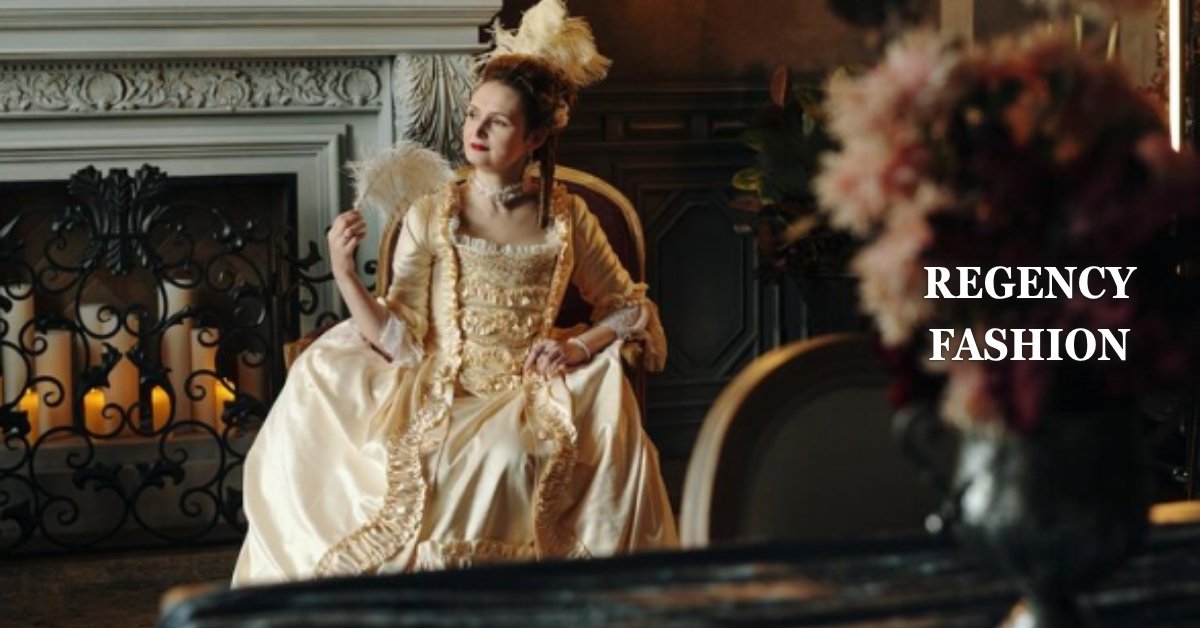
Regency fashion refers to the clothing worn in Britain and much of Europe between roughly 1795 and 1820, a period defined by high waistlines, soft fabrics, and a deliberate break from the stiff, structured dress of the previous century. Most of what people picture when they hear the phrase actually comes from Bridgerton, which took real Regency shapes and pushed the color, sparkle, and drama much further than anyone in 1813 ever wore. This piece separates the two, walks through what women and men actually put on each morning, and shows how to borrow the look for 2026 without reaching for a costume rack. By the end, you’ll know which details are historically real and which ones belong to Netflix.
In Short
Regency fashion describes the high-waisted, lightly structured clothing worn from about 1795 to 1820, built around empire-waist gowns, muslin and cambric fabrics, and understated tailoring for men. The modern revival, often called regencycore, borrows that silhouette but adds far more color and shine than the original era ever had.
Regency Fashion Actually Means Two Different Things Now
Ask ten people what regency fashion looks like and you’ll get two very different answers. Fashion historians mean a specific, dated style: gowns with a fitted bodice ending just under the bust, a skirt that skims rather than balloons, and a color palette built almost entirely around white, cream, and soft pastels. It was a genuine reaction against the boned stays and wide panniers of the Georgian court, and it stayed close to those quiet tones for the better part of two decades.
Everyone else means Bridgerton. The show’s costume designer, Ellen Mirojnick, has said openly that she wanted something that felt scandalous and modern rather than accurate, so she kept the empire waist but layered in glitter, organza, and jewel tones that never appeared in a real 1813 ballroom. That aesthetic has its own name now, regencycore, and it’s the version most people are actually searching for when they type in this keyword. Both readings are legitimate. This article covers what was genuinely worn, then shows how the modern version borrows from it.
The Real Regency Wardrobe, Piece by Piece
Strip away the television gloss and Regency dress was surprisingly simple to build, which is part of why it’s having a comeback among people who sew their own clothes. Women’s garments were designed to be light, breathable, and quick to put on without a maid’s help, a real departure from the previous century.
Here’s what actually made up a woman’s everyday wardrobe:
- Day dress – a high-waisted muslin or cambric gown, usually white or a pale shade like primrose yellow or cerulean blue, with a scooped or square neckline
- Spencer jacket – a cropped, long-sleeved jacket cut to stop right at the empire waistline, worn over the dress for warmth
- Pelisse – a longer coat, often lined and trimmed in fur or fine wool, for colder months or travel
- Chemisette – a sheer half-blouse tucked under a low neckline for daytime modesty, removed for evening
- Poke bonnet – a straw or fabric hat with a deep, forward-projecting brim, usually trimmed with ribbon or artificial flowers
What Men Actually Wore
Menswear went through its own quiet revolution during this period, largely credited to the style icon Beau Brummel. Out went powdered wigs, silk breeches, and embroidered coats. In came fitted wool tailcoats in navy or black, cream or buff pantaloons tucked into tall boots, and crisp white cravats tied with real precision. The look was restrained on purpose, and that restraint is a big reason the modern men’s suit still traces its roots back to this exact decade.
Why Regency Fashion Is Suddenly Everywhere Again
The short version is Bridgerton, but the longer version is more interesting. Regencycore is a fashion style and internet aesthetic inspired by clothing worn in early 19th-century Europe, and its rise is widely tied to the popularity of the Netflix series Bridgerton, which premiered at the end of 2020 and kept building an audience through its later seasons. The term itself didn’t exist before the show. Once it aired, searches for empire-waist dresses, puff sleeves, and pearl accessories climbed fast enough that retailers noticed within a single season. Wikipedia
Jane Austen adaptations had already kept a small, devoted fashion-history fanbase interested for decades before that, mostly through reenactment groups and sewing communities. What Bridgerton did was hand that niche interest to a mainstream audience overnight, and social media did the rest. A single viral outfit from the show can now sell out empire-waist dresses at mass retailers within days, something that simply didn’t happen with earlier Austen adaptations.
The Corset Myth Nobody Corrects
Most articles skip this or get it backwards, and it’s worth clearing up because it changes how the whole silhouette actually worked. People assume Regency women wore the same rigid, heavily boned corsets as their Victorian daughters, cinching in the waist to create an hourglass shape. That’s not what was happening at all.
Regency stays were long, front-lacing, and mostly unboned or very lightly boned, built to lift and support the bust rather than crush the waist. Because the dress skimmed straight down from just under the bust, there was no need to compress anything below it, which is exactly why the era is remembered as more comfortable than what came immediately before and after it. That single structural difference is what let the fabric fall the way it does in every surviving portrait from the period.
How to Wear Regencycore Today Without Looking Costumey
Nobody wants to look like they raided a theater’s prop closet, and the good news is you don’t have to. The trick is picking one or two Regency-coded details and pairing them with pieces that already live in a normal closet, rather than trying to recreate the whole silhouette at once.
Start with an empire-waist sundress or maxi dress in a soft solid color, which most mainstream retailers now stock somewhere between $35 and $70 depending on the fabric weight. Add a puff-sleeve blouse under a blazer for daytime, since that sleeve shape is one of the most recognizable Regency signatures and reads as current rather than costumey when it’s not paired with a full skirt. For shoes, skip anything that looks like a slipper and reach for a low block heel or ballet flat instead, which keeps the proportions modern. A wide-brim straw hat or a simple pearl hair clip finishes the look without tipping into full reenactment territory, and both are the kind of pieces worth building into a broader rotation rather than a one-time purchase. If you’re curious how other seasonal styles are shaping up right now, it’s worth browsing what’s landing on this year’s fashion trends roundups, since regencycore isn’t the only period-inspired look having a moment.
Where This Style Still Shows Up Beyond Costume Parties
Regencycore has quietly moved into places you wouldn’t expect. Bridal is the biggest one, with empire-waist wedding gowns and pearl headpieces now a standing request at a lot of bridal shops, largely because the silhouette flatters a wide range of body types without needing shapewear underneath. Garden parties, literary-themed bridal showers, and even some workplace dress codes have loosened enough that a modest puff-sleeve dress reads as polished rather than costume-like.
If you enjoy this kind of deep dive into where a garment tradition actually comes from, our breakdown of Argentina’s traditional clothing walks through another culture’s dress piece by piece the same way this one does, tracing how each item earned its place in the wardrobe. Style history rarely stays confined to one country or one century, and tracing those threads tends to make the modern version make a lot more sense.
Conclusion
Regency fashion and regencycore are related but not identical, and knowing the difference actually helps you shop smarter. The real 1800s wardrobe was quiet, breathable, and built around one clean silhouette, while the version trending now borrows that shape and turns up the color and shine. Pick one authentic detail, like the empire waist or a puff sleeve, and build the rest of the outfit from pieces you’d already wear.
FAQ
What is regencycore fashion?
Regencycore is the modern trend inspired by Bridgerton and the broader Regency era, taking the empire waist and soft silhouette of the 1800s and adding brighter colors, glitter, and embellishment the original period didn’t have.
What did women actually wear during the Regency era?
Women wore high-waisted muslin or cambric day dresses, often layered with a spencer jacket or pelisse coat for warmth, along with a chemisette for daytime modesty and a poke bonnet outdoors.
Is Bridgerton’s fashion historically accurate?
Not entirely. The show keeps the empire waist and general shape of the period but adds far more color, sparkle, and skin-baring necklines than were actually worn in the 1810s.
What fabric was mainly used for Regency dresses?
Lightweight muslin and cambric were the standard choices, chosen specifically because they draped softly and let the empire-waist silhouette fall naturally without stiff structure underneath.
How is Regency fashion different from Victorian fashion?
Regency dress favored a soft, high-waisted line with minimal boning, while Victorian fashion returned to a cinched natural waist and heavily structured corsets, along with much fuller, hoop-supported skirts.