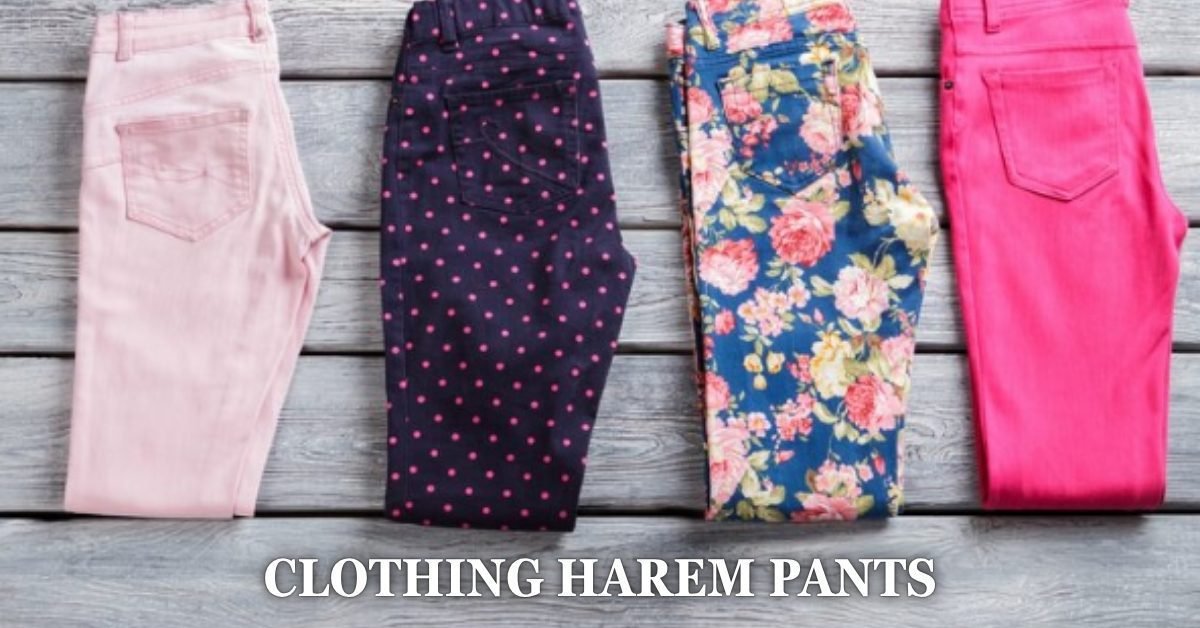
Clothing harem pants split opinion fast because the same pair can read effortless on one person and shapeless on another. The difference almost never comes down to the pants themselves. It comes down to fabric weight, top proportion, and exactly where the ankle cuff sits, three details most styling advice skips entirely. This guide breaks down what actually separates a put-together harem pants outfit from one that reads sloppy, with real fabric and fit specifics rather than vague tips. By the end, you will know how to pick a pair, style it for the occasion you actually have, and avoid the fit mistakes that make loose pants look unfinished.
In Short
Clothing harem pants work best in a midweight fabric with a fitted top and a defined waist, paired with simple footwear. Skip thin, sheer fabric and oversized tops, and keep the ankle cuff just above the anklebone rather than mid-shin for a longer, cleaner line.
What Actually Makes a Pair of Harem Pants Work
A pair of harem pants is defined by a dropped crotch and extra volume through the hip and thigh that narrows into a gathered or cuffed ankle. That silhouette is not the problem. The problem shows up when every other piece in the outfit is also loose, which erases the waist and turns the whole look into one shapeless block of fabric. Once you understand that the pants are the volume piece and everything else needs to hold a clear line, styling them stops being guesswork.
This is also why harem pants photograph so differently depending on who is wearing them. A fitted crop top with a high-rise pair shows a defined waistline even though the legs are full. Swap that crop top for a baggy sweater and the same pants suddenly look like pajama bottoms. The pants did not change. The proportion around them did.
The Ankle Rule Most Guides Skip
Nearly every article on this keyword tells you to balance the volume with a fitted top, and that advice is correct but incomplete. Where the ankle cuff actually sits on your leg matters just as much, and almost nobody mentions it. A cuff that hits right above the anklebone keeps a visible strip of ankle showing, which reads as intentional and elongates the leg. A cuff that lands mid-shin, which happens often with pants bought a size up for extra room in the hip, cuts the leg visually and makes the whole silhouette look bulkier than it is.
If a pair you already own sits too low on the ankle, a tailor can shorten the cuffed hem in about fifteen minutes for a small fee, and it is one of the highest-impact fixes available for this specific garment. This single adjustment does more for how polished the outfit looks than swapping tops ever will on its own.
Fabric Weight Changes the Whole Outfit
Fabric weight is the second detail competitor guides mostly leave out, and it explains why two pairs described as harem pants can look completely different in person. A midweight rayon twill or a tencel blend holds its own shape, drapes with some structure, and moves without collapsing flat against the body. Thin viscose gauze or unlined cotton voile, by contrast, clings and creases in a way that reads as loungewear even when the cut and color are identical to a more structured pair.
Budget-tier harem pants in gauzy viscose typically run thirty to forty five dollars, and they are genuinely fine for a beach day or festival, where a soft, collapsing drape actually suits the setting. A midweight rayon or tencel-blend pair in the eighty to one hundred twenty dollar range holds a cleaner line for office-adjacent or evening styling, which is where fabric choice starts to matter more than cut. Knowing which tier you are shopping in before you buy saves the disappointment of pants that looked structured online and arrived soft and flat.
Building the Outfit: Tops, Waist, and Layering
Start with the top, since it decides whether the outfit reads intentional or accidental. A fitted tank, a tucked-in button-down, or a cropped knit all work because each one leaves the waistline visible against the high-rise waistband most harem pants are cut with. Tucking in, rather than letting a top hang loose over the waistband, is the single fastest way to add shape to an otherwise voluminous outfit.
A belt is optional but useful, particularly with a pair that has a soft elastic waistband rather than a structured one. A thin fabric or leather belt cinched at the natural waist adds a hard line the eye can rest on before it moves down into the loose leg, which keeps the whole outfit from reading as one continuous shape. Layering works the same way. A fitted denim jacket or a cropped blazer over a simple top keeps the upper body streamlined even in cooler weather, while a bulky cardigan undoes the balance the pants need.
Footwear That Keeps the Silhouette Grounded
Footwear finishes the proportion the top and waistline started. Flat sandals, slim sneakers, or low block heels all work because none of them add extra visual width at the ankle, right where the pants are already narrowing. Chunky platform sneakers or wide ankle boots fight the cuff instead of complementing it, adding bulk exactly where the outfit needs a clean finish.
Pointed flats or a slim heeled mule are the strongest choice for a dressier version of the outfit, since the elongated toe line continues the leg line the ankle cuff already started. For a casual daytime version, a slim white sneaker does the same job with less formality. Either way, the goal is the same, keep the shoe silhouette narrow enough that it does not compete with the volume already happening above it.
Styling Clothing Harem Pants for Different Occasions
For a workday or client-facing setting, pick a solid, midweight pair in black, navy, or charcoal, then pair it with a tucked silk or cotton blouse and pointed flats. Adding a blazer keeps the outfit read as tailored rather than casual, even though the pants themselves are relaxed. This combination works because the structure comes from everywhere except the pants, letting the volume read as a deliberate style choice rather than an accident.
For travel or weekend wear, a printed or lightweight cotton pair paired with a plain fitted tee and slides is genuinely one of the most practical outfits available, since the elastic waistband and roomy hip room survive long flights and walking days better than fitted trousers do. For an evening or going-out look, a satin or rayon pair in a jewel tone with a fitted bodysuit and heeled sandals reads dressy without sacrificing comfort, which is exactly the trade harem pants exist to make.
What Works for Different Heights and Body Types
Petite frames generally do best in a shorter rise-to-cuff length that hits right at or just above the anklebone, since extra fabric pooling at the ankle can visually shorten a smaller frame fast. A cropped top or one tucked in front only, rather than a full tuck, also keeps the torso from looking overwhelmed by the pants below it.
Taller frames have more room to experiment with a longer, lower-slung pair or a wider leg opening before the cuff, since there is more leg length to balance the extra volume. For fuller figures, a high-rise waistband paired with a fitted top through the ribcage creates the same waist definition that works on any body type, while a printed or patterned pair works best in a smaller-scale print rather than an oversized one, which tends to add visual bulk. The core proportion rule, fitted top and defined waist against a loose leg, holds across every body type even as the specific cut and length shift.
If you are building toward a small rotation of outfits rather than a single look, a versatile pair of harem pants can anchor a few outfit ideas built entirely from pieces you probably already own, which is a faster way to get more wear out of one purchase than buying a new outfit around it each time. For anyone narrowing a wardrobe down to fewer, more useful pieces, it is also worth thinking about how one versatile piece fits into a smaller seasonal wardrobe rather than treating it as a one-outfit purchase.
Harem pants also carry a longer history than most trend pieces, tracing back to Middle Eastern and South Asian garments long before Western designers adapted the style in the early twentieth century, a lineage worth knowing given how often the origins of the style get flattened into a single decade or trend cycle.
Conclusion
Clothing harem pants look polished or sloppy based on three details most guides underplay, fabric weight, ankle cuff placement, and a genuinely fitted top against a defined waist. Get those three right and the loose leg reads as a style choice rather than an accident. Start with one pair in a midweight fabric, tuck the top, and keep the shoes narrow, then adjust the formula for whatever occasion comes next.
FAQ
Are harem pants still in style in 2026?
Yes, they have moved past their early 2010s festival-only reputation and now show up in tailored, midweight fabrics for work and evening wear as well as casual styling.
What is the difference between harem pants and joggers?
Joggers have a slimmer, more structured fit through the hip with elastic cuffs, while harem pants have a distinctly baggier silhouette built around a dropped crotch.
Can harem pants be worn to the office?
A solid-colored, midweight pair styled with a tucked blouse and a blazer works in most business-casual settings, though very sheer or heavily printed fabrics read too casual for that context.
What shoes go best with harem pants?
Flat sandals, slim sneakers, or pointed flats work best because they keep the ankle area narrow rather than adding bulk where the pants are already tapering in.
Do harem pants work for petite or plus size body types?
Yes, petite frames generally look best in a shorter cuff length that hits right above the ankle, while fuller figures benefit most from a high-rise waistband paired with a fitted top through the ribcage.