
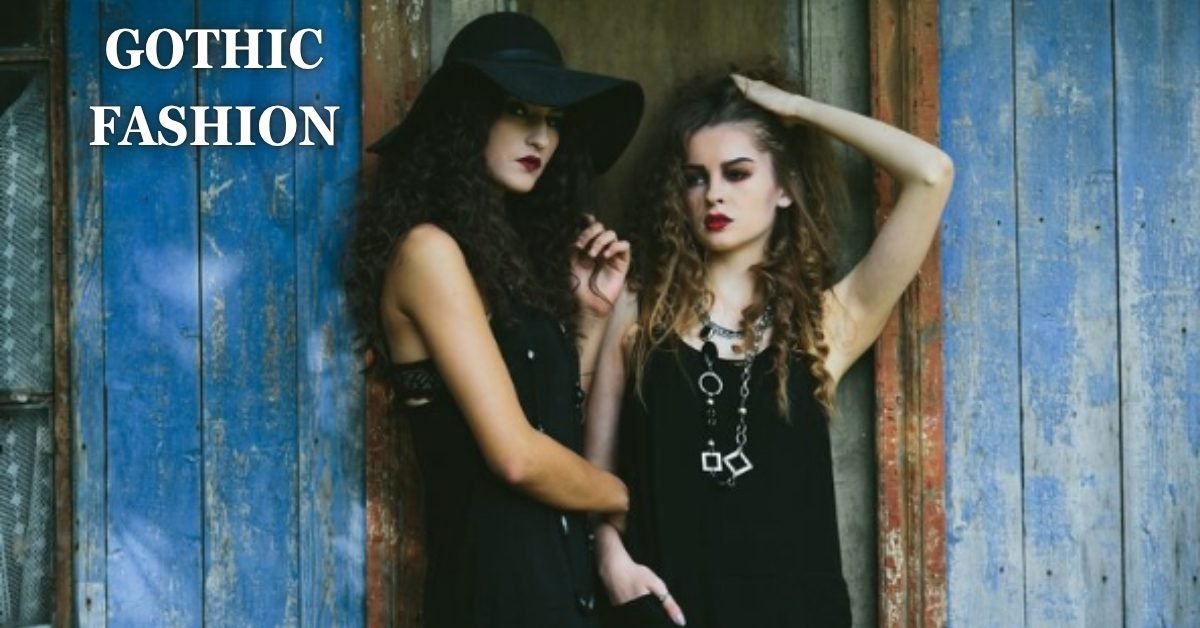
Gothic fashion is a dark, romantic style built on texture, silhouette, and a small set of recurring materials rather than the amount of black you own. You will learn what actually separates it from punk and emo, which fabrics and shapes do the real work, and how to put together outfits that read as intentional instead of Halloween-adjacent. By the end, you will know how to build a version of this style that fits your actual closet, your actual budget, and your actual week, not just a themed party.
Quick Answer
Gothic fashion is a dark, dramatic clothing style rooted in Victorian mourning wear and late 1970s post-punk music, built around black and deep jewel tones, structured silhouettes like corsetry and tailored coats, and fabrics such as velvet, lace, and leather.
What Gothic Fashion Actually Means
Gothic fashion did not start as a costume. It grew out of Victorian mourning dress, the practice of wearing black for extended periods after a death, and it picked up its modern shape through the post-punk music scene of the late 1970s, particularly bands like Bauhaus and Siouxsie and the Banshees. That combination is why the style reads as romantic and historical rather than purely rebellious.
People often lump gothic fashion in with punk or emo, and the confusion is understandable since all three lean dark and reject mainstream trends. Punk is deliberately raw, built on DIY details like safety pins, patches, and deconstructed clothing, and its energy is closer to chaos than composition. Gothic fashion is the opposite instinct applied to the same dark palette. It favors structure, symmetry, and finished pieces over anything that looks torn apart, and the mood is closer to melancholy than defiance.
Emo fashion, meanwhile, borrows gothic’s black wardrobe but pairs it with band merchandise, skinny jeans, and a much more casual, youth-culture silhouette. If you strip away the visual overlap and just look at construction, gothic clothing is the one built around corsetry, tailoring, and drape.
The Building Blocks: Fabric, Silhouette, and Color
Every gothic outfit is really doing three jobs at once, and understanding them separately makes shopping and styling far easier. Fabric carries most of the visual weight, since velvet, lace, brocade, and faux or genuine leather all catch light differently and give an outfit its sense of richness. A plain cotton black t-shirt reads as basic wear no matter how you style it, while a velvet blazer in the same color reads as intentional the moment someone sees it.
Silhouette does the second half of the work. Structured pieces, corsets, fitted bodices, tailored coats with defined shoulders, give the outfit its shape, while flowing elements like maxi skirts, wide sleeves, or a floor-length coat add the drama that makes it feel gothic rather than simply formal. The contrast between something fitted and something flowing is where most strong gothic outfits actually live.
Color rounds it out, and this is the part people get wrong most often. Black is the base, not the whole palette. Deep burgundy, aborigine, forest green, and charcoal all sit comfortably inside gothic fashion, and they do more to add depth to an outfit than a second or third shade of black ever will. A burgundy velvet skirt against a black fitted top reads richer in photos and in person than an all-black version of the same outfit.
How to Build a Gothic Outfit Without Looking Costumed
Start with one structured piece and build everything else around it, rather than trying to make every item in the outfit dramatic at once. A fitted black corset top from a brand like Killstar or Dolls Kill, typically in the 45 to 70 dollar range, paired with straight-leg black trousers and a plain leather or faux leather jacket, gives you a full outfit where only one piece is doing the heavy lifting. That restraint is what separates a gothic outfit from a costume.
For a softer, more Victorian-leaning version, a black lace-trimmed blouse tucked into a high-waisted midi skirt works for daytime settings where a corset top would feel too styled. Add a pair of block-heeled ankle boots instead of platforms, and the whole look becomes something you could genuinely wear to a coffee shop or a casual office without drawing stares for the wrong reasons.
Accessories are where a lot of budget can be saved without losing the effect. A single statement piece, a wide choker, a cameo-style pendant, or a pair of fingerless lace gloves, reads clearly against a simple base outfit and usually costs under 25 dollars. Wearing three or four of these at once tends to flatten the look instead of intensifying it, since the eye no longer knows where to land. Sites like WearAndRepeat’s style guides cover this same principle of building an outfit around one anchor piece across other aesthetics, and it holds just as true here.
The Mistake That Flattens Almost Every Gothic Outfit
The most common misstep is treating gothic fashion as a color rule instead of a texture rule, buying every piece in flat black cotton and assuming the color alone creates the aesthetic. The result usually looks more like generic streetwear than gothic style, because nothing in the outfit is catching light or creating contrast. Two identical silhouettes in the same shade of black can look completely different once one swaps a cotton tee for a velvet one.
This happens because black is genuinely easy to shop for and photographs consistently on camera, so it becomes the default choice without much thought behind it. The fix is to treat texture as the actual signal, not color. A single velvet, lace, or leather piece in an otherwise simple black outfit will read as gothic far more convincingly than five plain black basics worn together, and it costs less to build than most people expect.
Where Gothic Fashion Splits Into Subcultures
Gothic fashion is not one fixed look, and most long-time goths would say the subcultures matter more than the umbrella term. Traditional or trad goth sticks closest to the original post-punk aesthetic, all black, teased hair, and heavy eyeliner, with minimal color variation. Victorian goth leans into corsetry, lace, and mourning-dress silhouettes, and it is the version most associated with historical romanticism, a connection Wikipedia’s overview of gothic fashion traces back to the Victorian cult of mourning.
Cyber goth introduces neon accents, PVC, and industrial accessories into the dark base palette, trading the historical references for something closer to science fiction. Pastel goth softens the entire aesthetic further, keeping the silhouettes and symbolism of gothic fashion while swapping black for lavender, dusty pink, or mint against a still-dark base. None of these versions is more legitimate than another, and most people who dress gothic long term end up blending two or three of them rather than picking one permanently.
Making Gothic Fashion Work in Real Life
The biggest practical hurdle is not finding the pieces, it is fitting them into a week that includes school, work, or a family dinner where a full corset and platform boots would not be welcome. A useful rule is to keep about 70 percent of the outfit close to your existing wardrobe basics and let the remaining 30 percent carry the gothic signal, usually through one structured piece or a specific accessory. A black blazer, dark denim, and boots you already own can become a gothic-adjacent outfit with nothing more than a lace-collar blouse underneath.
For office settings with a business casual dress code, a fitted black or burgundy velvet blazer over a simple black top reads as polished rather than costume-like, and it survives a full workday without any adjustment. Save platform boots, full corsetry, and heavier eye makeup for evenings and weekends, where there is more room to lean into the drama without a dress code working against you.
Conclusion
Gothic fashion holds together through texture, structure, and a small, deliberate color palette, not through how much black is in the closet. Pick one anchor piece with real texture, whether that is a velvet blazer, a lace blouse, or a well-fitted corset top, and build the rest of the outfit around it in simple basics. Start there before adding more pieces, and the style will read as personal rather than borrowed.
FAQ
What’s the actual difference between gothic and punk fashion?
Gothic fashion is structured and romantic, built around corsetry, tailoring, and rich fabrics, while punk fashion is deliberately raw and DIY, built around ripped clothing, safety pins, and rejection of finished tailoring.
Do you have to wear head-to-toe black to dress gothic?
No, deep tones like burgundy, aubergine, and forest green are part of the traditional gothic palette, and pastel goth swaps black almost entirely for softer shades while keeping the same silhouettes.
What fabrics show up most in gothic fashion?
Velvet, lace, brocade, and leather or faux leather appear most often, since their texture and light response are what actually signal the style, more than color alone.
Can gothic fashion work for an office or school dress code?
Yes, a single structured piece like a velvet blazer or lace-collar blouse worn with simple black basics reads as polished rather than costume-like, while platforms and full corsetry are better saved for evenings.
What are the main types of gothic style?
Trad goth, Victorian goth, cyber goth, and pastel goth are the most common subcultures, and most people who dress gothic long term end up blending elements from more than one rather than sticking to a single type.