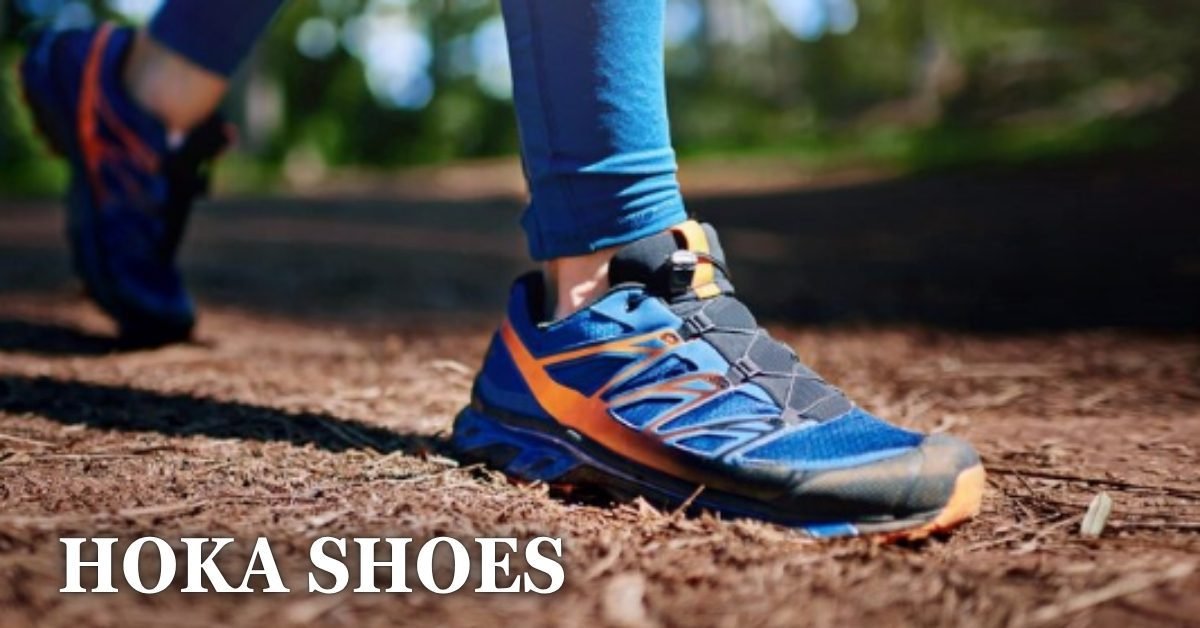
Hoka shoes have gone from a niche pick among ultra-marathoners to the sneaker showing up in office parking lots, airport terminals, and grocery store lines everywhere. This guide breaks down which Hoka model actually fits your daily life, not just your race pace, and shows how to wear the chunky silhouette without looking like you just left a treadmill. You’ll get a clear read on the Clifton, Bondi, Speed goat, Arahi, and Mach lines, what each one actually costs, and where the sizing tends to trip people up. Real styling guidance follows too, since a shoe with this much midsole height changes how pants, hems, and proportions read. By the end, you’ll know exactly which pair to try on first.
In Short
Hoka shoes are maximalist cushioned sneakers built around a thick, cockered midsole for running, walking, and every day wear. The Clifton suits most people first, the Bondi adds more cushion, the Speed goat handles trails, and prices generally run from about $125 to $260 depending on the model.
The Hoka Models Actually Worth Knowing
Hoka’s lineup runs close to forty models, which is exactly why the brands own site tends to overwhelm rather than clarify anything. A handful of shoes cover almost every reason someone actually searches this term, and working from those five narrows the decision fast. Price and stated purpose matter more here than color or hype, since the real difference between a Clifton and a Bondi comes down to how much foam sits under your foot.
- Clifton (about $145): the daily default, lighter than most of the lineup, works for running, walking, and standing all day without feeling like recovery footwear.
- Bondi (about $165): the maximum cushion option, heavier and taller, built for people who want the softest possible landing on pavement or concrete.
- Speedgoat (about $155): the trail shoe, with an aggressive lugged outsole and a stiffer platform that most road-focused shoes in the lineup skip entirely.
- Arahi (about $145): the stability pick, using Hoka’s J-Frame to guide the foot without the bulk of a traditional motion control shoe.
- Mach (about $140): the lightest and lowest of the group, aimed at people who want Hoka’s comfort without the visual bulk of the Clifton or Bondi.
Two more names come up often enough to mention on their own. The Transport trades performance mesh for a more casual, work wear-adjacent upper, which makes it the model most likely to read as an actual sneaker rather than running gear. The Gaviota sits above the Arahi for stability, using an H-Frame that adds noticeably more structure for anyone who over pronates significantly.
Matching the Shoe to What You Actually Do With It
Buying a Hoka for the wrong use is the fastest way to end up disappointed in a shoe that objectively performs well. Someone who wants a shoe for eight hours on a hospital floor needs different cushioning than someone training for a half marathon, even though both might land on the same model by accident. Working backward from the actual activity solves more fit problems than reading spec sheets ever will.
For Standing or Walking All Day
Nurses, teachers, and retail workers searching this keyword usually want the Bondi or the Clifton, and the difference comes down to how much foam actually helps. The Bondi’s extra stack absorbs more impact over an eight or twelve hour shift, which matters more on concrete floors than on carpet. The Clifton works nearly as well for lighter days and costs about twenty dollars less, so it makes a more reasonable starting point for anyone who hasn’t already committed to the taller shoe.
For Training and Long Runs
Runners logging real weekly mileage tend to land on the Clifton for easy days and either the Mach or the Bondi for something faster or plusher. The Arahi earns its place here specifically for people who over pronate, since ignoring that detail is often what leads to shin and knee soreness after a few weeks of new mileage. Nobody training seriously should buy based on color alone, given that the difference between a neutral and a stability shoe genuinely affects how the knee tracks through a stride.
For Trail and Uneven Ground
The Speedgoat is close to the only real answer here, since it’s the one model in the core lineup built with a genuinely aggressive outsole. Road shoes like the Clifton or Bondi work fine on a smooth, hard packed trail, but they lose grip fast the moment mud, gravel, or loose rock enters the picture. Anyone buying Hokas specifically for hiking should look at the Speedgoat before any of the road focused models, regardless of how a color way looks online.
For Everyday and Travel Wear
Airports, long shifts on your feet away from home, and casual weekend errands are where the Transport and the Clifton earn their keep outside of any athletic context. Neither shoe demands the sock-and-legging pairing that a true trail shoe practically requires, which makes both easier to fold into an actual travel outfit. Packing one pair that covers a long walk through a terminal and a full day of sightseeing beats carrying two separate shoes for two separate purposes.
Where the Price Actually Goes
Hoka’s pricing spread confuses people who assume every model costs roughly the same, when the range actually runs from about $125 for entry shoes up past $260 for carbon-plated racers like the Rocket X. The gap tracks materials and construction rather than marketing, since a plated racing shoe uses far more expensive foam and manufacturing than a standard daily trainer. Understanding that spread before shopping prevents the common letdown of expecting race-day technology at daily-trainer pricing.
The brand’s history explains some of that engineering-first pricing. Hoka was founded in 2009 in Annecy, France, by two former Salomon employees chasing faster downhill trail times, and the resulting oversized midsole ran directly against the minimalist trend dominating running shoes at the time. The company was acquired by Decker’s Brands in 2013, and the name itself comes from a Māori phrase meaning “to fly.” That racing pedigree is still baked into the pricier, plated models even though most shoppers now buy the brand for comfort rather than speed.
The Sizing Assumption That Ruins More Hoka Purchases Than Anything Else
The most common mistake is assuming Hoka sizing behaves the same way across every model in the lineup, the same trap that catches shoppers buying New Balance shoes without checking the specific silhouette’s last first. Someone who wears a nine in the Clifton often assumes the same size will work in the Bondi or the Speedgoat, and that assumption is wrong often enough to matter. Added stack height changes how the foot sits inside the shoe, which shifts fit even when the printed size on the box stays identical.
This happens because Hoka markets its whole catalog under one brand identity, the same way most sneaker companies do, so shoppers reasonably expect one number to carry across every model. In reality the toe box shape, midsole width, and upper material vary enough between silhouettes that a true-to-size claim only holds within that specific shoe. Checking a model’s individual fit notes before ordering takes under two minutes and prevents most of the returns that get blamed on the brand instead of the assumption behind them.
Making a Chunky Hoka Actually Work With What You Wear
Hoka’s stack height is the detail every technical review measures and almost no one addresses stylistically, which is exactly the gap worth filling here. A 32 to 40 millimeter midsole adds real visual weight at the ankle, and pairing that with the wrong pant silhouette makes an outfit look bottom heavy fast. Straight leg or slightly wide leg denim balances that bulk far better than a skinny or tapered cut, since a narrow hem next to a thick sole exaggerates the size difference instead of softening it.
Cropped trousers create a specific problem with this shoe that skinnier sneakers avoid, a visible gap of sock or bare ankle between the hem and the shoe’s tall collar. A slightly longer hem, breaking just at the top of the shoe rather than well above it, closes that gap without losing the cropped silhouette entirely. This one adjustment is the difference between a Hoka reading as an intentional styling choice and reading as gym shoes that wandered into a regular outfit by accident.
Color plays a bigger role here than most technical reviews mention, since Hoka leans into bright, saturated colorways more than most running brands do. A neutral pair in grey, black, or white slides under jeans, joggers, or chinos the same way the other reliable pairs in a well-rounded shoe rotation do, without competing with the rest of the outfit. Saving a loud colorway for one statement piece, worn with otherwise plain basics, keeps a bold Hoka from clashing with everything else already hanging in the closet.
Conclusion
Start with the Clifton if this is a first pair, since it covers running, walking, and everyday wear without committing to the tallest or heaviest option in the lineup. Move up to the Bondi for more cushion or over to the Speedgoat if the shoe needs to handle actual trails, and check a model’s specific fit notes before ordering rather than assuming one size carries across the whole brand. Pair a neutral colorway with a slightly wider leg opening, and the shoe stops reading as gym gear the moment it goes on.
FAQ
Are Hoka shoes good for wide feet?
Most models fit true to size through the midfoot, but width sizing is limited compared to brands like New Balance, so anyone with genuinely wide feet should check a specific model’s width chart before buying. The Clifton and Bondi tend to run roomier through the toe box than the Mach or Speedgoat.
What’s the actual difference between the Clifton and the Bondi?
The Clifton is lighter and lower to the ground, making it more versatile for running, walking, and long days on your feet without feeling bulky. The Bondi adds noticeably more foam underfoot, trading some of that versatility for a plusher, more cushioned ride.
Are Hoka shoes worth the higher price compared to other sneaker brands?
For people who genuinely need extra cushioning, either for standing all day or for logging real running mileage, the price generally reflects real materials and construction rather than markup alone. Casual buyers who just want a comfortable everyday sneaker may find similar comfort in less expensive models from other brands.
Do Hoka shoes help with plantar fasciitis or general foot pain?
Podiatrists frequently point to Hoka’s firm heel counters and removable insoles as supportive features for people managing foot pain, though no shoe replaces a proper diagnosis. Anyone with an ongoing foot condition should treat shoe choice as one part of a larger conversation with a foot specialist.
How long do Hoka shoes typically last before the cushioning breaks down?
Running shoes generally lose meaningful cushioning after roughly 300 to 500 miles, and Hoka’s foam follows a similar timeline despite its taller stack. Someone using a pair mainly for walking or standing rather than running can usually expect it to last noticeably longer before replacement.