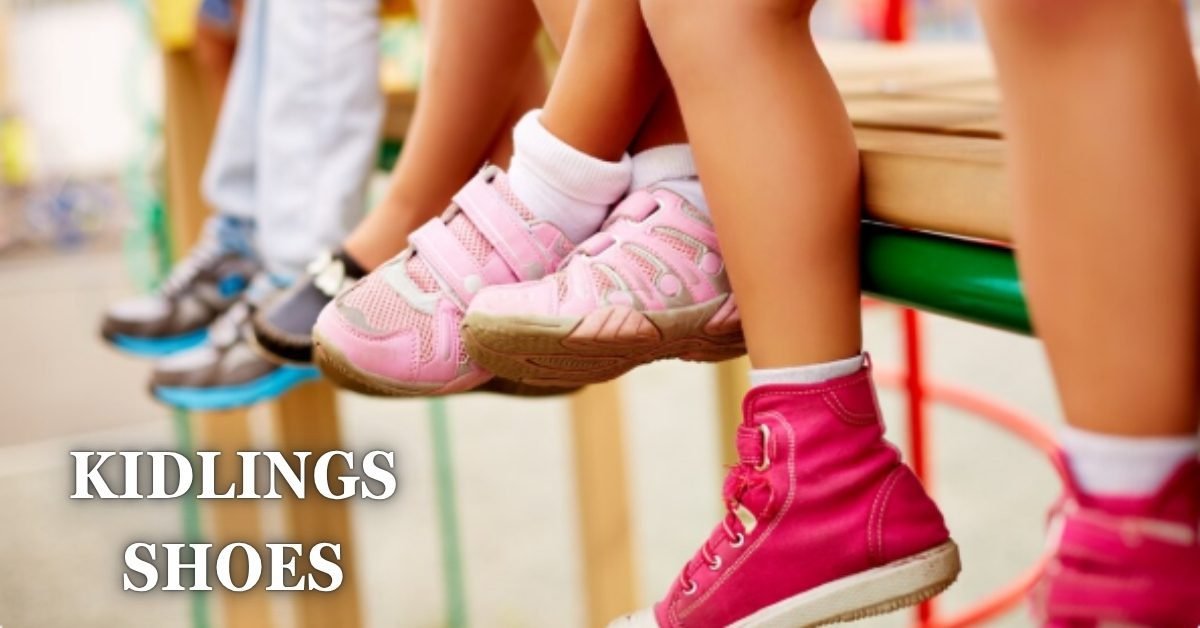
Kidlings shoes show up across several online stores, and not all of them are the same brand, which is the first thing worth sorting out before you buy. This guide covers what the name actually refers to, how the sizing tends to run, and what to check before adding a pair to your cart. By the end, you will know how to tell a genuine listing from a copycat one and how to judge whether a pair suits your child’s feet.
Short Answer
Kidlings shoes is a name used by more than one children’s footwear seller, mostly offering sneakers, sandals, and first-walker styles with Velcro closures and cushioned soles. Check the seller’s actual site before ordering, since quality and sizing differ between them.
Why “Kidlings Shoes” Actually Points to More Than One Brand
Search for kidlings shoes and the results blend together three separate sellers that happen to share a near-identical name. One operates as an Indian children’s footwear label selling sneakers, booties, and Mary Janes through its own storefront and marketplaces like First Cry. Another runs under a very similar name with a general “Kidling Shoes” branded site selling slip-ons and school shoes internationally. A third, unrelated store called The Kidling sells baby shoes alongside clothing and nursery items.
None of these three businesses are affiliated with each other, and none of the guides currently ranking for this search mention that distinction. That matters because a parent who orders from the wrong one, expecting the reviews or sizing chart of a different seller to apply, ends up confused when the product does not match what they read about. Before checking out anywhere, confirm the exact domain and read that specific seller’s own product description rather than a generic recap.
What These Shoes Are Actually Built For
Across the different Kidlings-branded sellers, the footwear lineup follows a similar pattern built around three life stages. Pre-walker and first-shoe styles use soft, flexible soles with Velcro or slip-on closures, since laces are impractical for a toddler who is still learning to stand and cruise along furniture. These typically come in canvas or soft synthetic uppers with a wide toe box, which matters more at this stage than cushioning or arch support.
School-age and everyday sneakers step things up with a firmer sole, breathable mesh panels, and either laces or hook-and-loop straps depending on how independently the child dresses. Several listings also include light-up soles and novelty prints, which are cosmetic rather than functional, so treat them as a styling preference rather than a feature that affects fit. Sandal and boot lines round out the catalog for warm and cold weather, generally at a lower price point than the sneakers.
None of these shoes are marketed as performance athletic footwear, and none of the sellers claim orthopedic or corrective properties. That is a reasonable, honest position for the category. Kids who need shoes for organized sports or who have a diagnosed foot condition are better served by a brand built specifically for that purpose, with a pediatrician or pediatric podiatrist weighing in on the choice.
Getting the Fit Right, Since Sizing Is Where Most Complaints Start
Sizing complaints show up more often than any other issue in reviews of budget kids’ shoe brands, Kidlings included, and most of it comes down to how the shoe is measured rather than the shoe itself. Start by measuring your child’s foot while they are standing, not sitting, since weight-bearing changes the shape of the foot slightly. Trace the outline on paper or use a printable foot-measuring guide, then compare that length against the seller’s own size chart rather than converting from a size you already know in another brand.
Leave enough room at the toe. The American Academy of Pediatrics recommends checking that there is roughly a finger’s width of space between the end of the big toe and the front of the shoe, which gives the foot room to move without letting the whole shoe slide around. If your child’s feet are close to two different sizes on the chart, sizing up is generally the safer call for footwear that closes with Velcro or an adjustable strap, since a snug fit can be tightened but a too-small shoe cannot be stretched.
Recheck the fit every couple of months for children under four, since foot growth during this stage happens in short, uneven bursts rather than steadily. A shoe that fit well at the start of a season can be too tight well before that season ends, particularly with softer budget uppers that do not stretch the way leather does.
The Mistake Almost Every Parent Makes With Budget Kids’ Shoes
The most common error is not about Kidlings specifically, it is buying a size up “to grow into” and expecting a season or two of wear out of a single pair. Oversized shoes change how a child walks, since the foot slides forward inside the shoe with every step, which can affect balance and cause blisters at the heel. It feels economical in the moment, but a shoe that is loose enough to trip in gets replaced just as fast as one that got outgrown.
The better approach is to buy for the size your child measures at right now, get the most wear out of that correct fit, and treat frequent replacement as a normal part of dressing a growing child rather than a failure of budgeting. This is exactly the kind of wear-and-tear thinking worth applying to any pair of shoes before committing to a full season in them, whether the price tag is high or low. A well-fitted shoe that lasts four months is a better use of money than an oversized one that causes problems for six.
When These Shoes Make Sense, and When They Don’t
Kidlings-style shoes make the most sense for everyday wear such as school runs, playground time, and casual outings, where the priority is comfort, an easy closure, and a price that does not sting when the shoe gets outgrown in a few months. Parents managing multiple kids or a child who goes through shoes fast tend to gravitate toward this price bracket for exactly that reason, since replacing a $20 to $30 pair every season is easier to absorb than replacing a premium pair at the same rate.
They make less sense as a first and only choice for a child with a diagnosed foot or gait issue, or for structured sports where cleats, court shoes, or running-specific support are the standard. In those cases, a specialist children’s shoe brand or a fitting at a proper children’s shoe store is worth the extra cost. For the ordinary stretch of toddlerhood through early school years, a well-fitted, correctly sized pair from any of the Kidlings sellers covers most everyday needs without overcomplicating the decision.
Conclusion
Kidlings shoes are a reasonable, budget-friendly option for everyday wear, as long as you confirm which specific seller you are buying from and size using their actual chart rather than a generic guide. Measure your child’s foot today, leave room at the toe, and recheck the fit in a couple of months rather than assuming the shoe will still work by then.
FAQ
Are Kidlings shoes good for children with wide feet?
Most models include a rounded, roomy toe box and adjustable straps, which tends to work well for wider feet, though fit still varies by specific style.
Where can I buy Kidlings shoes?
Availability depends on which seller you mean, since options include the brand’s own website, Amazon, and marketplaces like FirstCry, so check the listing carefully before ordering.
Do Kidlings shoes run true to size?
Most styles run close to true to size, but sizing up half a size is the safer choice when a child’s foot falls between two sizes on the chart.
Are Kidlings shoes suitable for sports?
They work for light play and general activity but are not built or marketed for organized sports, which call for cleats or sport-specific footwear instead.
How often should I replace my child’s Kidlings shoes?
Young children often need a new pair every two to four months as their feet grow, so checking fit monthly is a more reliable guide than a fixed replacement schedule.