Finding a dress that looks professional from your morning commute to your last meeting should not mean spending extra time ironing or paying for frequent dry cleaning. The best machine-washable work dresses for women who commute combine office-appropriate style with practical features such as comfortable fabrics, wrinkle resistance, easy care, and a fit that works when sitting, walking, standing, and traveling.
Whether you commute by train in New York City, drive to an office in Texas, walk through Chicago, or work in a business-casual environment in California, the right dress can simplify your weekday routine. You want something polished enough for work but comfortable enough to wear for several hours without constantly adjusting it.
The challenge is that not every dress marketed as wrinkle-resistant is genuinely low-maintenance. Some garments require cold-water washing, line drying, or special handling. Others may be machine washable but still need ironing to maintain a crisp appearance. That is why checking the care label is just as important as evaluating the design.
In this guide, we explain which dress styles are worth considering, which fabrics tend to work best for commuting, how to check care instructions, and what to look for before buying. We also cover practical accessories, including belts and work totes, to help you build a versatile office wardrobe.
Quick Guide: What to Look for in a Commuter-Friendly Work Dress
| Feature | What to look for | Why it matters |
|---|---|---|
| Care instructions | Explicitly labeled machine washable | Helps you avoid unnecessary dry cleaning |
| Wrinkle resistance | Ponte, suitable knit blends, or tested wrinkle-resistant fabric | Helps maintain a neat appearance |
| Comfort | Stretch, breathable construction, and room to move | Makes sitting, walking, and commuting easier |
| Length | Knee-length or midi styles that stay comfortable when seated | Supports professional styling and practical movement |
| Fit | A comfortable waist, shoulders, and hip area | Reduces pulling and bunching |
| Versatility | Solid colors and simple silhouettes | Makes the dress easier to style in different ways |
| Drying requirements | Clear instructions for tumble drying or air drying | Helps you plan laundry around your schedule |
| Pockets | Functional pockets that lie flat | Adds convenience without making the dress bulky |
The best choice depends on your office dress code, climate, commute length, and laundry routine. A structured ponte dress may suit a formal workplace, while a washable shirt dress or knit midi may be better for a relaxed office.
1. Best Machine-Washable Work Dresses for Women Who Commute
There is no single dress that works for every commuter. Instead of choosing based on appearance alone, compare each style according to its care requirements, comfort, structure, and ability to work with the rest of your wardrobe.
1. Ponte Work Dresses for a Polished Office Look
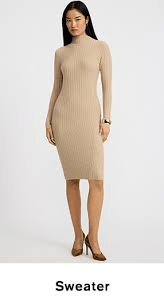
A ponte dress is one of the first styles worth considering if you want a professional appearance with relatively low-maintenance care. Ponte is a structured knit fabric that often combines smoothness, stretch, and enough weight to create a clean silhouette.
Compared with very thin jersey dresses, a well-made ponte dress may feel more substantial and hold its shape better throughout the day. This can make it useful for office meetings, presentations, client appointments, and other situations where you want a more tailored look without wearing a traditional suit.
What to look for:
- A machine-washable care label.
- A fabric composition that offers comfortable stretch.
- A smooth finish that does not cling excessively.
- A knee-length or midi cut suitable for your workplace.
- A neckline and sleeve style that work with your office dress code.
A simple black, navy, charcoal, or burgundy ponte dress can pair with loafers, a structured tote, and a blazer. For a business-casual office, you may be able to wear it with flats or low block heels.
Best for: Office commuters who want a structured dress for regular weekday wear.
Check before buying: Ponte does not automatically mean wrinkle-free, and fabric blends vary. Confirm the washing and drying instructions for the exact dress.
2. Machine-Washable Shirt Dresses for Everyday Commuting
A shirt dress offers the familiar shape of a button-down shirt with the convenience of a one-piece outfit. Depending on the cut and fabric, it can look professional without feeling overly formal.
This style is especially useful for women who prefer a slightly relaxed fit. A waist tie or separate belt can create definition, while a straight-cut shirt dress offers a more minimal look.
Cotton blends, suitable synthetic blends, and some structured woven fabrics can be good options, but the care label matters more than the fabric name alone.
Look for a shirt dress with:
- A collar or neckline that suits your office environment.
- Buttons that stay secure without pulling across the chest.
- A skirt that allows comfortable walking and sitting.
- Sleeves that fit comfortably under a cardigan or blazer.
- A waist tie or belt that can be adjusted throughout the day.
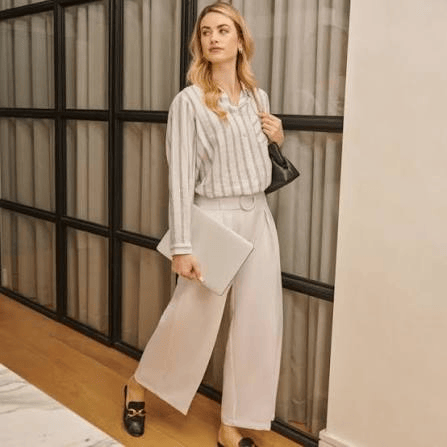
A striped shirt dress can work well for business-casual settings, while a solid navy or black style is easier to repeat without looking identical every time. Add loafers for a classic office outfit or simple flats for a more relaxed commute.
Best for: Business-casual offices, everyday wear, and women who want styling flexibility.
Check before buying: Some cotton shirt dresses wrinkle noticeably and need ironing. If avoiding ironing is a priority, look for reviews that specifically discuss post-wash appearance.
3. Wrinkle-Resistant Knit Midi Dresses
Knit midi dresses can be useful when your commute involves sitting for long periods, walking between transit stops, or moving between different work locations.
A midi dress typically falls below the knee, although the exact length varies by height and design. This makes it a versatile choice for workplaces where very short hemlines may be unsuitable.
Look for knit fabrics that balance stretch with enough structure to maintain their shape. Some polyester blends and knits containing elastane can offer useful flexibility and crease resistance, although performance varies by construction.
A comfortable knit midi dress may feature:
- A modest crew neck, V-neck, or other office-friendly neckline.
- Short sleeves or sleeves suitable for layering.
- A waistband that does not dig in when seated.
- Enough room through the hips and thighs.
- A fabric weight suitable for your local climate.
For a professional finish, wear a solid-color knit midi with a lightweight blazer and loafers. In cooler weather, add opaque tights and a cardigan if the dress fabric and cut work with those layers.
Best for: Long commutes, desk-based jobs, and offices with business-casual dress codes.
Check before buying: Thin knits may cling, stretch out, or show lines beneath the fabric. Review the fabric composition, product photos, sizing information, and care instructions before ordering.
4. Machine-Washable Sheath Dresses for Business Settings
A sheath dress has a relatively straight, tailored silhouette. It is often a practical option for offices where professional clothing needs to look polished without the formality of a full suit.
The most useful commuter-friendly version is one that combines a clean shape with enough room for movement. A dress that looks tailored while standing but pulls tightly when you sit may become uncomfortable during the workday.
Before choosing a sheath dress, check the following:
- Whether the fabric includes comfortable stretch.
- Whether the waist, hips, and shoulders fit without pulling.
- Whether the skirt allows you to climb stairs and walk comfortably.
- Whether the lining and other components are included in the care instructions.
- Whether the dress can be machine washed at home.
A navy or black sheath dress can work with a blazer, a simple belt, and a structured work tote. For less formal offices, a colorful sheath dress can add variety without requiring complicated styling.
Best for: Client-facing roles, presentations, office meetings, and more traditional workplaces.
Check before buying: Some tailored sheath dresses are dry-clean-only. Do not assume that a professional-looking dress is washable simply because it contains synthetic fibers.
5. Wrap-Style Work Dresses for Adjustable Comfort
Wrap dresses and wrap-inspired dresses can provide a flexible fit around the waist. This makes them appealing for women who want an outfit that feels comfortable during a commute and looks polished once they arrive at work.
A true wrap dress usually has adjustable ties, while a faux-wrap design creates a similar appearance with a fixed closure. Both can work for office wear if the neckline, skirt length, and fabric suit your workplace.
Choose a design that offers:
- Secure fastening that stays in place while walking.
- Enough coverage when sitting or bending.
- A fabric that does not become excessively creased.
- A waist tie that does not create uncomfortable bulk.
- Machine-washable care instructions.
Solid colors, small prints, and subtle patterns can make wrap dresses easier to style. Pair one with simple flats and a work tote for an everyday outfit, or add a blazer for a more formal setting.
Best for: Women who prefer an adjustable waist and a feminine, versatile silhouette.
Check before buying: A wrap neckline can shift during movement, so read reviews about coverage and fit. Confirm that the dress is washable and check whether the belt or tie requires separate care.
6. Easy-Care A-Line Dresses for All-Day Movement
An A-line dress gradually widens from the waist toward the hem. This creates room through the skirt and can make walking and sitting more comfortable than a very narrow silhouette.
A simple A-line dress can also be easy to style across seasons. Wear it with flats in warmer weather, layer it with a cardigan during transitional months, or add tights and a blazer when temperatures drop.
For a commuter-friendly version, prioritize:
- A fabric with clear, manageable care instructions.
- A skirt that does not feel excessively heavy.
- A comfortable waist seam.
- A length that works with your usual shoes.
- A silhouette that fits comfortably under outerwear.
An A-line dress in navy, olive, burgundy, or a subtle pattern can provide variety without being difficult to coordinate.
Best for: Women who prefer more room through the skirt and want a dress that works for walking and everyday office routines.
Check before buying: Pleats, lining, decorative trim, and gathered fabric can change how a dress needs to be washed and dried.
2. Best Fabrics for Machine-Washable Work Dresses
Fabric choice affects how a dress feels, how it looks after a commute, and how much effort it requires after laundry day. However, no fabric name alone guarantees that a garment is machine washable, wrinkle-resistant, or safe to tumble dry.
Use the following comparison as a starting point, then verify the label on the exact product.
| Fabric or construction | Potential advantages | Possible drawbacks |
|---|---|---|
| Ponte knit | Structured appearance, stretch, and a smooth finish | Can feel warm or heavy in hot weather |
| Polyester blends | Often crease-resistant and quick-drying | Breathability and feel vary by construction |
| Stretch jersey | Flexible and comfortable for movement | Thin fabric may cling or lose shape |
| Cotton blends | Familiar feel and potential breathability | May wrinkle or shrink depending on the blend |
| Viscose or rayon blends | Often soft with an attractive drape | May require gentle washing or air drying |
| Washable crepe | Can offer a refined, professional finish | Some versions need special care or ironing |
| Linen blends | Lightweight and useful for warm weather | Natural creasing is common |
| Washable silk | Smooth appearance and elegant drape | May require gentle handling and careful drying |
Ponte: A Strong Option for Structured Workwear
Ponte is worth considering when you want a dress that looks tailored but feels more flexible than traditional woven suiting. It can work particularly well for fall, winter, and air-conditioned offices.
Look for a ponte dress that has a smooth surface, comfortable stretch, and a shape that does not pull at the seams when you sit. If your commute is warm, check the fabric weight before purchasing.
Polyester Blends: Useful for Reducing Creases
Polyester blends are frequently used in easy-care clothing because many constructions resist creasing and dry relatively quickly. A blend that includes elastane may also offer additional stretch.
Still, polyester garments vary considerably. Some are breathable and soft, while others can feel warm or less comfortable in humid conditions.
For commuting, look for product information that identifies the full fabric composition and includes specific care instructions. Do not rely on a generic claim such as “easy care” without checking whether the dress is machine washable.
Cotton Blends: Comfortable but Not Always Wrinkle-Free
Cotton blends may suit women who prioritize a familiar feel and everyday comfort. Depending on the blend, weave, and finish, they can be suitable for shirt dresses, A-line styles, and relaxed office wear.
The main consideration is wrinkling. A cotton-rich dress may require pressing after washing, especially if it has a crisp, structured finish.
If you want to minimize ironing, check customer reviews for comments about how the dress looks after washing and drying. Look for feedback from buyers who wear the dress to work rather than only for occasional events.
Viscose and Rayon Blends: Softness With Care Considerations
Viscose and rayon fabrics can create a fluid drape that works well for wrap dresses and midi styles. However, their care requirements depend on the fabric construction and garment design.
Some garments can be machine washed on a gentle cycle, while others may require hand washing or professional cleaning. Drying methods also vary.
If you choose a viscose-blend dress, follow the instructions on its care label and avoid assuming that a low-cost or lightweight garment will be easy to maintain.
Linen Blends: Best for Warm-Weather Offices
Linen blends can be comfortable in hot weather and may work well for relaxed professional environments. However, linen naturally develops creases with wear.
If you prefer a crisp appearance throughout a long commute, a linen blend may require more maintenance than a wrinkle-resistant synthetic blend or a structured knit.
Consider linen when its breathability and relaxed look are more important to you than keeping the dress completely smooth.
3. How to Verify That a Work Dress Is Truly Machine Washable
This is one of the most important steps when shopping for easy-care workwear.
A product description might use phrases such as “low maintenance,” “travel-friendly,” “wrinkle resistant,” or “easy care.” Those terms do not necessarily confirm that the garment can go in a washing machine.
The Federal Trade Commission explains that clothing care instructions should address the appropriate cleaning method and relevant drying requirements. Care instructions may also cover ironing, bleaching, and warnings about procedures that could damage the garment.
Use this checklist before purchasing.
Step 1: Read the Exact Care Instructions
Look for explicit wording such as “machine wash cold,” “machine wash gentle,” or another clearly stated machine-washing method.
Do not assume that a dress is machine washable just because it is made from polyester, cotton, rayon, or a blend of these fibers.
The finished garment may include a lining, interfacing, trim, or other components that affect how it should be cleaned.
Step 2: Check the Drying Method
Machine washable does not automatically mean tumble-dryer safe.
Some dresses can be machine washed but must be laid flat or hung to dry. Others may allow tumble drying at a specified temperature.
If you need a dress that can go directly from the washing machine into the dryer, confirm that the care label specifically allows that method.
This is particularly important if you have limited drying space or need your work clothes ready by the next morning.
Step 3: Look for Ironing Requirements
A washable dress can still require ironing. If your goal is to minimize maintenance, search for reviews that describe the garment after laundering.
Useful questions include:
- Does the dress look neat after air drying?
- Does it require steaming before work?
- Do the seams or hem become noticeably creased?
- Does the fabric lose its shape after repeated washes?
- Does it develop wrinkles after sitting for several hours?
These details are often more useful than a general marketing phrase.
Step 4: Check All Garment Components
A dress may have a machine-washable outer fabric but a more delicate lining, decorative trim, or belt.
Read the full care instructions and check whether any components need to be removed before washing. A belt may require separate care, while decorative details can affect the recommended cycle.
Step 5: Verify the Instructions Again After Delivery
Before washing a newly purchased dress, check the label attached to the actual garment.
If the product page and physical label appear to differ, follow the garment-specific instructions and contact the retailer if clarification is needed.
Shopping rule: Treat machine washability, dryer compatibility, and wrinkle resistance as three separate product features. A dress may offer one or two without offering all three.
4. What Makes a Dress Good for a Daily Commute?
A dress can look beautiful on a product page but feel impractical after an hour on public transportation. Commuter-friendly clothing needs to work in real situations, not just in a fitting room.
Comfort While Sitting
If you commute by car, train, bus, or subway, you may spend a considerable amount of time seated. Look for a waistline that does not dig in and a skirt that does not pull tightly across the hips.
Stretch can help, but the underlying fit still matters. A dress should allow you to sit naturally without constantly adjusting the hem or neckline.
Freedom of Movement
Walking to a station, climbing stairs, crossing a parking lot, and carrying a bag all require movement.
Check whether the dress allows comfortable steps. A very narrow skirt may need a back slit, while a fuller design may need enough room to move without catching on a bag or coat.
Breathability and Temperature Changes
Your commute and office may have very different temperatures. Outdoor heat, air-conditioned buildings, and crowded transit can make clothing comfort unpredictable.
For warm weather, consider lightweight fabrics with a comfortable feel. For cooler months, look for a dress that works with tights, a cardigan, or a blazer.
Layering is usually more flexible than choosing one very heavy dress for every situation.
A Hemline That Works With Your Shoes
Test the outfit as a complete combination. A midi dress may look different with flats than it does with heels, and a longer hem can become inconvenient when climbing stairs.
Choose a length that feels appropriate for your workplace and comfortable with the shoes you actually wear on your commute.
Pockets That Are Actually Useful
Pockets can be a welcome feature, especially when you need a place for a transit card, small keys, or other lightweight items.
However, bulky pockets may change the shape of the dress or create unwanted volume around the hips. Look for pockets that lie flat and do not pull at the seams.
Avoid carrying heavy items in dress pockets; a separate bag is usually more practical.
5. Best Work Dress Styles for Different Commuting Situations
Your ideal dress may depend more on how you travel and where you work than on current fashion trends.
For Public Transportation
Choose a dress that allows you to sit comfortably, move quickly, and layer easily. A stretch knit midi or a structured ponte dress can be a useful starting point.
Consider a hemline that stays manageable on stairs and an outer layer that can be removed easily once you reach the office.
For Driving to Work
If most of your commute involves driving, prioritize a comfortable waistline and fabric that does not become uncomfortable after sitting.
A wrap-inspired dress, knit midi, or relaxed sheath may work well. If you drive for a long time, check whether the skirt rides up or the fabric creases noticeably when seated.
For Walking or Cycling Part of the Way
Freedom of movement becomes especially important if your commute includes a long walk or cycling.
Choose a dress that allows a natural stride and is not excessively long or restrictive. If cycling is part of your routine, consider whether a dress is practical for the activity itself; a change of clothing may be safer or more comfortable for some routes.
A dress that works for a short walk to a station may not be suitable for an active commute.
For Client Meetings and Formal Offices
A structured sheath dress or ponte dress may offer the polished look you need. Keep the silhouette simple and choose a color that works with your existing blazer and shoes.
A washable dress is particularly useful if you wear professional clothing frequently, but verify the label before purchasing.
For Business-Casual Offices
Shirt dresses, knit midis, and A-line styles can provide more relaxed options without looking too casual.
You can vary the outfit through accessories, shoes, and layering instead of buying a completely different dress for every workday.
6. How to Style Machine-Washable Work Dresses
A practical dress becomes even more valuable when it works with several outfits. Accessories help you change the overall look without adding more garments to your laundry routine.
Add a Belt for a More Defined Shape
A belt can create definition at the waist on shirt dresses, some A-line dresses, and relaxed silhouettes.
For a classic office outfit, pair a black dress with a slim black or brown belt. A belt in a contrasting color can add interest to a simple dress, provided it suits your workplace.
Before purchasing, check whether the dress already has belt loops or a matching tie. A separate belt should sit comfortably and should not pull the fabric out of shape.
Choose a Structured Work Tote
A structured tote can complement a professional dress while providing space for everyday essentials.
When comparing work totes, consider:
- Enough room for your laptop or tablet, if needed.
- Comfortable handles or an adjustable shoulder strap.
- Secure closures.
- Pockets for small items.
- A manageable weight when empty.
- A material that suits your commute and weather.
A black, tan, brown, or navy tote can coordinate with several dresses. If you travel by public transportation, a secure closure and comfortable carry options may be more important than decorative details.
Remember that a tote does not need to match your shoes exactly. Coordinating tones and a consistent level of formality can create a polished outfit.
Wear Comfortable Flats or Loafers
Shoes affect how practical a work dress feels throughout the day. Loafers and flats are common options for office commuters because they can provide a professional finish without requiring high heels.
Choose shoes that fit securely and are comfortable for your usual walking distance. If you prefer heels for meetings, you can keep a separate pair at the office.
The best shoes depend on your workplace, commute, and personal comfort—not simply on the dress style.
Layer With a Blazer or Cardigan
A blazer can make a simple knit dress or sheath dress look more formal. A cardigan may be a better option for a relaxed office or a day when comfort is the priority.
Look for layers that do not bunch at the shoulders or create excessive bulk around the waist. A neutral blazer can be worn with several dress colors, making it a useful wardrobe investment.
Keep Jewelry Simple
Small earrings, a watch, or a subtle necklace can finish an outfit without making it complicated.
For a busy commute, lightweight accessories are often more practical than pieces that snag on clothing or require frequent adjustment.
The goal is to make the dress look intentional while keeping your morning routine simple.
7. Best Colors for a Versatile Work Dress Wardrobe
Choosing versatile colors makes it easier to repeat a dress without repeating the exact same outfit.
Black
Black is a flexible option for traditional offices, client-facing work, and simple everyday outfits. It pairs easily with neutral shoes, belts, totes, and blazers.
Check the fabric carefully, however, because some black materials show lint, fading, or light-colored marks more noticeably than others.
Navy
Navy offers a professional alternative to black and works well with white, cream, gray, tan, and burgundy accessories.
It can be particularly useful if you want a work wardrobe that looks coordinated without relying on black for every outfit.
Gray and Charcoal
Gray and charcoal dresses can be easy to style with both warm and cool neutrals. They work well with structured layers and simple accessories.
Check product photos and customer reviews for color accuracy, especially when shopping online.
Burgundy and Forest Green
These deeper colors add variety while maintaining a professional appearance in many workplaces.
They can work particularly well in fall and winter, although the appropriate choice depends on your office environment and personal style.
Prints and Patterns
Small geometric prints, subtle stripes, and restrained patterns can add visual interest to a commuter wardrobe.
Patterns may also make minor creases less noticeable, although the result depends on the design and fabric. Do not treat a print as a substitute for wrinkle-resistant construction.
8. Where to Shop for Machine-Washable Work Dresses in the USA
Rather than assuming every item from a particular brand is washable, use retailer and brand collections as starting points. Then verify the care instructions for each individual dress.
The following retailers and brands are worth checking for workwear options. Product availability, styles, sizes, and prices can change.
Quince: Consider for Simple Workwear and Washable Fabrics
Quince offers workwear-related dress options, including washable silk and ponte styles in its dress collection. Its range may be worth exploring if you prefer clean silhouettes that can work across professional and business-casual settings.
What to compare: Fabric composition, machine-washing instructions, drying method, fit, and the expected level of ironing.
Shop: https://www.quince.com/shop/women/dresses
M.M.LaFleur: Consider for Professional Workwear
M.M.LaFleur is worth exploring if you prioritize work-focused designs and practical details. Its OrigamiTech line has been highlighted for washable and wrinkle-resistant workwear, although care instructions should still be checked for the specific product.
What to compare: Current dress styles, fabric performance, size availability, price, and whether the garment suits your office dress code.
Shop: https://mmlafleur.com/
Boden: Consider for Polished Everyday Styles
Boden is another brand to investigate when comparing washable workwear. Some of its dress lines have been highlighted in workwear roundups for practical care and versatile styling.
What to compare: The exact dress collection, available lengths, fabric composition, and washing instructions.
Shop: https://www.bodenusa.com/
Lands’ End: Consider for Practical Office Basics
Lands’ End is worth checking if you prefer straightforward dresses and wardrobe basics. Washable ponte dresses have been highlighted in workwear recommendations, but individual products can have different care requirements.
What to compare: Fit, fabric weight, sizing options, return terms, and whether the dress can be washed and dried using your preferred method.
Shop: https://www.landsend.com/
J.Crew: Consider for Classic Office Silhouettes
J.Crew is a useful place to browse if you prefer classic midi dresses and tailored-looking everyday styles. Some designs may work well in a professional wardrobe, but do not assume that every dress is machine washable.
What to compare: Fabric, lining, fit, care instructions, and whether the style works with your usual commute shoes.
Shop: https://www.jcrew.com/
Important affiliate publishing note: These are shopping starting points, not a claim that every product currently sold by these brands meets all the criteria in this guide. Before adding an affiliate link, confirm the exact product’s current price, sizes, care label, retailer terms, and availability.
9. How to Choose the Right Work Dress for Your Budget
A higher price does not automatically guarantee better comfort, easier care, or longer wear. The best purchase is the one that meets your needs and fits your budget.
Budget-Friendly Options
If you are shopping on a budget, begin with a simple knit dress, shirt dress, or A-line style in a versatile color.
Check customer reviews for recurring complaints about shrinking, pilling, fading, loose seams, and difficult care. A lower-priced dress may be a good purchase if it fits well and can handle your normal laundry routine.
Avoid choosing a dress solely because it is discounted. A garment that requires frequent dry cleaning may cost more to maintain than you expect.
Mid-Range Options
A mid-range dress may offer a useful balance of structure, fabric quality, and everyday versatility.
Look for a design that can be worn with several items already in your wardrobe. For example, one navy dress that works with a blazer, cardigan, flats, and loafers may provide more value than a distinctive dress that only works with one outfit.
Investment Workwear
Premium workwear may appeal to women who wear professional dresses frequently and prioritize consistent fit, construction, or specialized fabrics.
Before spending more, check whether the dress genuinely saves time or offers features that matter to you. Review the care instructions, construction, and return policy, and compare the cost with less expensive alternatives.
A premium dress that requires frequent special care may not be the best match for someone who wants a low-maintenance commuter wardrobe.
Consider Cost Per Wear
Cost per wear is a simple way to compare clothing purchases.
For example, if a dress costs $90 and you wear it 45 times, the purchase price works out to $2 per wear before laundry and other costs.
A $60 dress worn 10 times costs $6 per wear before those additional expenses.
These are illustrative calculations, not a prediction of how long any particular dress will last. The useful lesson is to consider how often you will realistically wear a dress and how easily it fits into your existing wardrobe.
10. Common Mistakes to Avoid When Buying Easy-Care Work Dresses
Assuming Wrinkle-Resistant Means Wrinkle-Free
Wrinkle-resistant fabrics can still develop creases, especially after prolonged sitting or improper drying. A dress may look smooth in product photos but behave differently during a full workday.
Read reviews that describe actual wear and laundering, rather than relying on promotional claims alone.
Ignoring the Drying Instructions
A dress that can be machine washed but must be laid flat to dry may not suit someone who needs clothes ready quickly.
Before buying, decide whether you are comfortable air drying garments or whether you specifically need tumble-dryer compatibility.
Buying a Dress That Is Too Tight
A fitted dress may look polished while standing but feel restrictive during a commute.
Check the garment measurements and size chart. Pay particular attention to the shoulders, bust, waist, hips, and length. If reviews mention that a dress runs small or pulls while sitting, take that feedback into account.
Choosing a Fabric That Is Unsuitable for Your Climate
A heavy ponte dress may feel comfortable in a cool office but warm during a summer commute. A lightweight dress may work in hot weather but feel too thin in a heavily air-conditioned building.
Think about the entire day, not just the temperature when you leave home. Layering can help you adapt without buying separate wardrobes for every season.
Forgetting About Return Policies
Online sizing can vary between brands and even between styles from the same retailer.
Review the current return policy before ordering, particularly if you are buying multiple sizes to compare fit. Check whether sale items, worn garments, or items with removed tags have different return conditions.
Buying Too Many Dresses Before Testing One
If you have not tried a brand before, start with one dress that meets your main requirements.
Wear it through a normal workday and follow its care instructions. Notice how it feels during your commute, whether it wrinkles, and how much effort it needs after washing.
This gives you practical information before investing in several similar styles.
11. How to Care for Machine-Washable Work Dresses
Even a well-made dress can lose its shape or appearance if it is washed incorrectly. A consistent care routine can help you get more use from your workwear.
Sort Clothes Before Washing
Separate items according to color, fabric needs, and care instructions. Keep delicate garments away from items with rough zippers or other features that may snag them.
Follow any instructions about turning the dress inside out or using a laundry bag.
Use the Recommended Wash Cycle
Follow the temperature and cycle stated on the garment label. Do not automatically use hot water or a heavy-duty cycle because the dress looks sturdy.
A gentle cycle may be appropriate for some garments, but the label should guide your decision.
Remove Garments Promptly
Leaving clothes crumpled in the washing machine can contribute to creasing. When the cycle finishes, remove the dress and reshape it according to its care instructions.
If the label recommends hanging or laying flat to dry, do so rather than placing the dress in the dryer.
Avoid Excessive Heat
High heat can damage some fibers, affect stretch, or contribute to shrinkage. Only tumble dry a garment if its care instructions allow it, and use the recommended setting.
Hang or Fold According to the Fabric
Structured dresses may hang well on suitable hangers, while some knits can stretch under their own weight and may be better stored folded.
Use the method appropriate for the specific garment, and avoid overcrowding your closet.
Keep a Backup Outfit Ready
If your work schedule is unpredictable, having one additional clean dress or a coordinated backup outfit can reduce last-minute stress.
A simple backup option is especially useful when your preferred dress needs more drying time than expected.
12. A Simple Five-Day Work Dress Wardrobe
You do not need five completely different dresses to create five professional outfits. A small selection of versatile styles can provide enough variety for many workweeks.
Here is an example of how you might build a commuter-friendly rotation.
| Day | Dress | Styling idea |
|---|---|---|
| Monday | Navy ponte dress | Blazer, loafers, and structured tote |
| Tuesday | Printed shirt dress | Flats and a simple belt |
| Wednesday | Black knit midi | Cardigan and minimal jewelry |
| Thursday | A-line dress | Comfortable flats and a lightweight jacket |
| Friday | Wrap-style dress | Simple accessories and a relaxed office layer |
This is a styling example, not a requirement to buy five dresses. Adapt it to your workplace, climate, and budget.
If you own only two or three suitable dresses, you can create variety by changing your layers, shoes, belts, and accessories. The key is to choose garments that work together and have manageable care requirements.
Frequently Asked Questions
What are the best machine-washable work dresses for women who commute?
Ponte dresses, knit midi dresses, shirt dresses, sheath dresses, and A-line dresses are all worth considering. The best choice depends on your office dress code, preferred fit, climate, and commute. Always confirm the machine-washing instructions for the exact garment.
Are machine-washable work dresses also wrinkle-resistant?
Not necessarily. Machine washable describes a cleaning method, while wrinkle resistance describes how a fabric behaves when worn or handled. Some dresses offer both features, but others may need ironing or steaming after washing.
Which fabrics are best for wrinkle-resistant work dresses?
Certain polyester blends, some structured knits, and some specially designed easy-care fabrics can help reduce creasing. However, performance varies by fabric construction and garment design. Check the product details and customer feedback before purchasing.
Can I put machine-washable work dresses in the dryer?
Only if the garment’s care label allows tumble drying. Some machine-washable dresses must be air dried or laid flat. Never assume that machine washing and tumble drying are interchangeable.
Are ponte dresses good for commuting?
Ponte dresses can be a useful option because many have a structured appearance and comfortable stretch. They may work well for office days that involve sitting, walking, and meetings. Check the fabric weight, fit, and care label to determine whether a particular style suits your routine.
How can I stop my work dress from wrinkling during a commute?
Choose a fabric with suitable wrinkle resistance, ensure the dress fits comfortably, and avoid folding or compressing it unnecessarily. After sitting for a long time, some creasing may still occur. Following the garment’s care instructions can also help maintain its appearance.
Are machine-washable dresses suitable for formal offices?
Yes, if the design and fabric meet your workplace’s dress code. A tailored sheath dress, structured ponte dress, or understated midi can look professional while being easier to care for than some dry-clean-only alternatives.
What should I look for in a commuter work dress with pockets?
Check that the pockets are functional, lie flat, and do not distort the dress. Consider whether they are large enough for small essentials without becoming bulky. For a phone, laptop, wallet, and other heavier items, a separate work tote is generally more practical.
Are expensive work dresses worth buying?
They can be, if the fit, construction, comfort, and care requirements justify the price for your needs. Compare the cost per wear, check the exact care instructions, and read reviews before investing in a premium garment.
How many work dresses do I need?
There is no fixed number. Two or three versatile dresses may be enough if you can rotate them with different layers and accessories and wash them regularly. Your ideal number depends on your schedule, laundry access, workplace requirements, and budget.
Final Verdict: Choose Work Dresses That Fit Your Real Routine
The best machine-washable work dresses for women who commute are the ones that combine a professional appearance with realistic everyday care. Ponte dresses can offer a structured look, knit midis can provide comfort, shirt dresses can add versatility, and sheath dresses can suit more formal workplaces.
Before buying, focus on three separate questions: Can the dress be machine washed? How does it need to dry? And how does it look after a full day of wear? Checking these details helps you avoid buying a dress that looks easy to maintain but still requires frequent ironing or special care.
Start with a versatile color, choose a comfortable fit, and make sure the garment works with the shoes, tote, and layers you already own. With a little attention to fabric and care labels, you can build a professional wardrobe that saves time on busy mornings without sacrificing style.