A makeup bag is one of the smallest purchases in a wardrobe that quietly shapes your entire morning. The right one holds what you actually use, survives spills, and takes you from a bathroom counter to a carry-on without a second thought. Most advice on this topic jumps straight to labeling what you already own, but the real fix usually starts one step earlier, at the size, material, and number of bags you’re working with in the first place. By the end of this guide, you’ll know what to look for, how many bags a normal routine actually needs, and how to pack one for a flight without overthinking it.
The Short Version
A makeup bag should match the size of your actual daily kit, use a wipeable or washable material, and ideally exist as two separate systems, one for everyday use and one dedicated to travel, so neither one turns into a catch-all for products you no longer reach for.
What Actually Goes Into a Good Makeup Bag
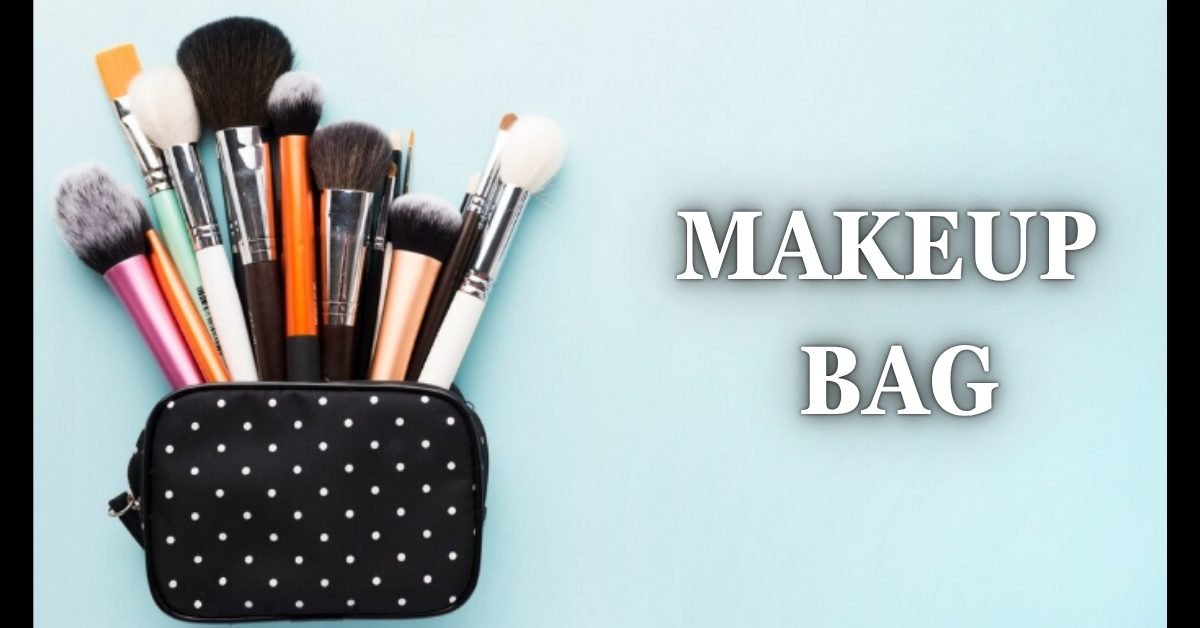
Size is the first thing most people get wrong, usually by buying bigger than they need. A flat-bottomed pouch around seven inches wide and four inches tall fits a realistic daily kit, meaning a couple of face products, two or three eye and lip items, and a brush or two, without leaving so much empty space that everything slides around and disappears into the corners. If you’re regularly zipping a bag that’s the size of a small backpack just to find your concealer, the bag isn’t the problem so much as the number of products competing for space inside it.
Material matters almost as much as size, and it’s where most cheap bags fail first. Cotton canvas is breathable and easy to machine wash, but it stains from leaking liquids and takes a while to dry. PU leather and vinyl wipe clean in seconds and hold their shape better over time, which makes them the more practical choice for anyone who deals with foundation or lotion spills regularly. Clear PEVA or silicone pouches, the same material used in TSA-style liquids bags, are the easiest of all to keep clean since you can see exactly what’s inside and rinse them under a tap.
Price tends to track with these material choices fairly closely. A basic zip pouch in canvas or nylon typically runs under twenty dollars, a structured PU leather case with a wide-open mouth and separate compartments lands somewhere in the forty to seventy dollar range, and fully leather designer versions push well past a hundred. None of those tiers is objectively correct, since a college student’s everyday pouch has different job requirements than someone packing for a week of travel twice a month.
How Many Bags You Actually Need
Most people own exactly one makeup bag and expect it to do every job at once, which is where the real disorganization starts. A single bag that has to hold your daily five-minute routine, your backup products, your travel-size liquids, and the three lipsticks you tried once and never used again will never stay organized, no matter how many small pouches you nest inside it. Splitting that into two dedicated systems, an everyday pouch and a separate travel case, solves more of the actual problem than any organizing method applied to one overstuffed bag ever will.
The everyday pouch should hold only what you use most mornings, which keeps it light enough to toss in a purse without adding real weight. The travel case, kept packed and ready in a drawer, holds travel-size versions of the same core products plus anything trip-specific, so you’re never re-packing from scratch the night before a flight. This mirrors the same logic behind building a smaller wardrobe around pieces you actually reach for, since a bag with fewer, better-chosen items works the same way a well-edited closet does, less digging, more of what you genuinely use.
The Habit That Makes Every Makeup Bag Fail
The common assumption is that a bigger bag or a more compartmentalized one will finally solve the mess, so people upgrade to something with six zippered sections and call it fixed. That almost never works, because the actual source of the clutter is rarely the container. It’s the number of half-used, expired, or duplicate products still living inside it, and a bigger bag just gives those products more room to spread out.
The confusion happens because organizing feels like a container problem, since sorting things into compartments produces an immediate, visible result. Editing feels slower and less satisfying, so it gets skipped in favor of buying another zippered pouch. The actual fix is almost always the opposite order, edit down to what you use in a normal week first, then choose a bag sized to hold exactly that, rather than picking a bag first and letting your product collection expand to fill it.
Packing a Makeup Bag for a Flight
Air travel is where makeup bag choice matters most, since liquids and gels are subject to specific carry-on rules that a poorly sized bag can make genuinely stressful at security. Every liquid, gel, cream, or paste needs to sit in a container of 3.4 ounces or 100 milliliters or less, and all of those containers need to fit inside a single quart-sized resealable bag per traveler, according to the TSA’s Liquids, Aerosols, and Gels Rule. That rule hasn’t changed, and it still applies at every checkpoint even as some airports roll out newer scanning technology.
A genuinely useful shortcut here is skipping the separate “travel makeup bag” entirely and using a clear quart-size pouch as both your liquids bag and your cosmetics case in one. Since that bag already has to meet the exact size TSA requires, packing your travel-size foundation, moisturizer, and any liquid or cream products directly into it means you pull out one bag at security instead of two, and nothing gets left behind in a separate case. Solid products like pressed powder, lipstick, and cream-to-powder formulas can travel in whatever compartment is left, since they aren’t subject to the liquids limit at all.
Pack heavier, sturdier items like foundation and concealer near the bottom of the bag and lighter items like mascara or lip products on top, so nothing gets crushed under the weight of a full-size bottle. If you’re checking a bag instead of carrying on, that’s actually the easier route for anything over the 3.4-ounce limit, since checked luggage has no liquid restriction at all.
Cleaning Out What You Already Have
A makeup bag collects bacteria and residue faster than most people expect, since it’s a closed, often damp environment holding products that get touched multiple times a day. Emptying it completely once a month, wiping down every product, and checking expiration dates keeps both the bag and what’s inside it in better shape than most people realize. Mascara and liquid eyeliner are the first things worth checking, since they tend to expire within three to six months of opening even though the packaging rarely says so.
Cleaning the bag itself depends entirely on the material you chose in the first place. Canvas and cotton bags can usually go through a gentle machine wash cycle, while PU leather, vinyl, and clear PEVA pouches just need a damp cloth or a quick rinse and an air dry before anything goes back inside. Skipping this step for months at a time is how a perfectly good bag starts to smell like old powder and cracked lip balm, long before the bag itself actually wears out.
Conclusion
A makeup bag works when its size matches your real routine and its material matches how you actually use it, not when it has the most compartments. Start by editing down to what you use in a normal week, then choose a bag sized to fit that exactly, with a second dedicated case if you travel more than occasionally. That one change, choosing the bag after the edit instead of before it, solves more disorganization than any labeling system ever will.
FAQ
Is a makeup bag the same thing as a vanity case?
Yes, a makeup bag is also commonly called a cosmetics case or vanity case, and the terms are used interchangeably across most retailers.
Do I need a separate liquids bag for TSA if I already have a clear makeup bag?
No, as long as your makeup bag is clear, quart-sized or smaller, and holds only containers of 3.4 ounces or less, it can serve as both your cosmetics case and your TSA liquids bag.
What size makeup bag is right for everyday use versus travel?
A daily pouch around seven by four inches fits a realistic five-product routine, while a travel case should be larger, roughly the size of a quart bag, to hold travel-size backups of the same core items.
How often should I actually clean out my makeup bag?
Once a month is a reasonable baseline for wiping down the bag and checking product expiration dates, especially for anything liquid that sits near the bottom.
Which material makeup bag is easiest to keep clean?
PU leather, vinyl, and clear PEVA all wipe clean with a damp cloth in seconds, which makes them more practical than cotton canvas if you deal with spills regularly.