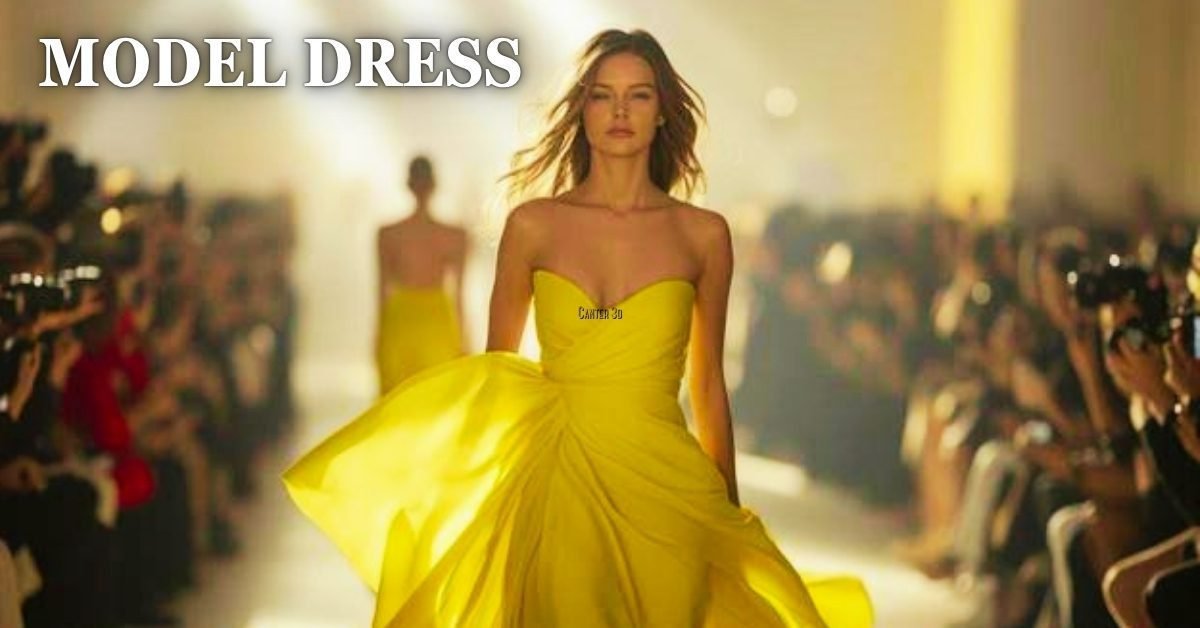
Getting the model dress code right has nothing to do with a runway budget or a runway body. It comes down to a formula that street style photographers noticed on models walking out of shows in their own clothes, years before anyone put a name to it. This guide breaks that formula into five real pieces, one proportion rule that makes even a plain outfit look considered, and the specific mistake that turns the look into a costume instead of a style. You will also get a warm-weather version, since most guides assume a climate cold enough for a coat. By the end, you will know exactly how to build this into your own closet, whatever your size or budget.
Quick Answer
The model dress code is built on three things: quality basics in a neutral palette, one oversized piece balanced against something fitted, and minimal accessories chosen for texture rather than logos. It works because the outfit reads as considered without looking planned, no matter what it actually costs.
What “Model Dress” Actually Means Off the Runway
“Model dress” as a search term covers a lot of ground, from sewing mannequins to stock photography, but the version most people actually want is the styling one. It refers to the off-duty look models wear between shows and campaigns, when nobody is dressing them and the cameras belong to street photographers instead of a set crew. That distinction matters, because it means the look was never designed to be worn once under studio lighting. It was designed to survive a real day, which is exactly why it translates so well to an ordinary closet.
The style earned its name because it looks deliberate without looking styled, and that contradiction is the whole appeal. A model who spends her working hours in fitted couture reaches for the opposite on her day off: loose denim, a plain top, one strong outerwear piece. Regular clothes, worn with the same confidence and the same restraint, read the exact same way on anyone else. The formula is not about access to designer pieces, it is about which two or three decisions actually carry the outfit.
The Proportion Rule Behind Every Good Model Off-Duty Look
Every version of this look, whatever the decade or the specific pieces, follows one consistent rule of proportion. Something fitted sits against something loose, and the contrast is what keeps the outfit from reading as either sloppy or overdone. A cropped tank under a boxy blazer works because the tank defines the waist while the blazer adds volume up top. Wide-leg trousers under a fitted knit work for the same reason, just inverted.
This ratio is the detail most listicle roundups skip, because it is easier to name five pieces than to explain what actually makes them work together. Aim for roughly one fitted anchor and one loose statement piece in every outfit, never two loose pieces stacked on each other. Two oversized pieces at once usually reads as unfinished rather than relaxed. A single loose element against a fitted base, on the other hand, looks intentional even when the individual pieces are inexpensive.
Five Real Pieces Worth Building the Look Around
The exact pieces shift with every trend cycle, but five categories have anchored this look for well over a decade regardless of what else is popular. Building around these first means the rest of a closet only needs to support them, not compete with them. None of them require a designer budget, since the formula cares more about silhouette and proportion than about the label inside the collar.
A Structured Blazer or Jacket, Sized Up by One
This is the loose half of the proportion rule, and it does the most visual work in the entire outfit. A wool-blend or cotton-twill blazer in black, camel, or grey layers over almost anything and reads as intentional even over leggings or a plain dress. Vegan leather versions do the same job for closer to fifty to eighty dollars, while a real leather moto jacket usually starts around three hundred and holds its shape for years. Either fabric works as long as the shoulder sits slightly past your own and the length clears the hip.
Straight or Wide-Leg Denim in a Dark, Uncomplicated Wash
Skinny jeans built the earliest version of this look, but a straight or wide leg now reads as the more current choice without losing the formula’s logic. A dark, minimal wash keeps the denim from becoming the loudest thing in the outfit, which matters because the blazer already earns that role. Mid-rise styles from mainstream denim lines do this just as well as anything with a designer tag. The fit should sit clean through the hip and skim rather than cling through the thigh.
A Simple Tank, Tee, or Silky Cami
The fitted half of the outfit is almost always this basic, and its simplicity is the point rather than a compromise. Cotton works for a daytime version, while a silk or silk-blend cami adds a bit of sheen for evening without adding effort. Stick to solid colors here, since the jacket and trousers already carry the visual weight, and a busy top competes with the rest of the look rather than supporting it. White, black, and any neutral pulled from the jacket read as most intentional.
Loafers, a Clean Sneaker, or a Simple Ankle Boot
Footwear is where the runway heel gets swapped for something a person can actually walk a full day in, and that swap is central to the whole aesthetic. A leather loafer reads slightly more polished, a white or all-black sneaker reads more casual, and a low ankle boot sits comfortably between the two. Whichever option gets chosen, keep it in a solid, low-contrast color so it grounds the outfit instead of pulling focus from it. Avoid anything with visible branding across the toe or heel, since that shifts the whole look toward logo dressing rather than proportion dressing.
One Statement Accessory, Never Two
Sunglasses, a structured bag, or a single piece of gold jewelry can finish the outfit, but only one of them should be doing the talking at any one time. Reaching for a canvas tote or a plain leather crossbody already sitting in a closet works just as well as anything new, especially alongside the wider idea of building outfit ideas from clothes you already own instead of shopping every look from scratch. Layering oversized sunglasses and a bold bag together tips the outfit from considered into costume territory fast. Keep metal tones consistent across whatever single piece gets chosen, since mixed gold and silver in one accessory reads as unplanned rather than eclectic.
Where This Whole Style Actually Comes From
The look traces back to the early 1990s, when a handful of supermodels started showing up in candid street photographs wearing their own clothes between fashion week shows. Photographers who had been shooting editors and designers outside the tents suddenly had an equally compelling subject in women who had just left the runway in jeans and a blazer. That unstaged, catch-them-in-the-wild energy is close to how Wikipedia defines street style, as fashion that emerges from the population at large rather than from a studio. The same minimalism runs through the current wave of 90s fashion worth revisiting today, which shares almost the same neutral, pared-back backbone as the model off-duty formula.
Social media accelerated the look through the 2010s, when paparazzi-style airport and gym photos replaced fashion week street style as the main source of inspiration. The pieces got more casual through that decade, swapping tailored blazers for oversized hoodies and slouchy trousers. What has stayed constant through every version is the proportion logic covered above, fitted against loose, one statement piece at a time. That consistency is exactly why the formula still works today, even as the specific garments cycle in and out of style.
The Mistake That Turns Model-Off-Duty Into Costume
The most common mistake is treating this style as a literal runway lookbook instead of a proportion formula, then buying pieces that scream “outfit” rather than “clothes.” Head-to-toe logo pieces, an item worn with the tags practically still visible, or sunglasses kept on indoors all push the look toward performance instead of the studied ease it is supposed to have. The confusion happens because the pieces themselves get treated as the whole story in most roundups, when the restraint behind them matters more than any single item. A three-hundred-dollar blazer worn with two other statement pieces will look more try-hard than a thirty-dollar blazer worn alone with quiet jeans and a plain tee.
Fixing it is almost always about subtraction rather than addition. Before leaving the house, try removing one piece, whether that is a second accessory, a busier shoe, or an extra layer competing with the blazer. What remains is usually the real model dress formula, since the style was never about how much gets added, it is about how much two or three strong pieces can carry alone.
The Warm-Weather Version Nobody Talks About
Most guides to this look assume a climate cold enough for a coat, which leaves out a large share of readers who need the same formula to work in heat and humidity. The proportion rule holds exactly the same, fitted against loose, but the fabrics and outerwear need to change completely. A linen or lightweight cotton blazer replaces the wool or leather version and does the same visual job without the weight. Wide-leg linen trousers or a midi skirt can stand in for denim when the fabric needs to breathe.
Shoes shift too, since a strappy leather sandal or a woven espadrille can hold the same grounding role a loafer or boot plays in cooler climates. Swap the structured tote for something in raffia or canvas, which keeps the single statement accessory rule intact while suiting the season. Color can also open up slightly in heat, since a pale linen or a soft stone tone still reads as neutral even though it is lighter than the black and camel palette most cold-weather guides default to. The formula does not change, only the materials carrying it do.
Making the Formula Work for Your Body and Your Budget
Height changes very little about this formula and mostly affects proportion placement rather than which pieces to choose. On a petite frame, a cropped blazer or one with sleeves pushed up keeps the loose piece from overwhelming the body, while full-length wide-leg trousers should be hemmed to break just above the shoe rather than pooling on the floor. On a taller frame, a longline blazer that hits mid-thigh reads more intentional than a cropped one, since it has more room to work with the extra length. Curvier bodies benefit from the exact same fitted-loose contrast, just with the fitted piece doing slightly more definition work at the waist, since that is where the eye naturally looks for structure.
Budget works on a similar principle of where to spend versus where to save. The blazer or jacket is worth spending on first, since it does the most visual work and gets worn the most often across different outfits. Denim, tees, and shoes can come from anywhere, including pieces already sitting in a closet, since their job is mostly to stay quiet and let the outerwear lead. Save any splurge for the one piece doing the heaviest lifting, and let everything else genuinely be basic, because that contrast between one considered piece and everything else being simple is the entire model dress code in miniature.
Conclusion
The fastest way into the model dress formula is not a shopping trip, it is picking one loose piece already in a closet and building a fitted, quiet outfit around it this week. Notice how differently that single outfit reads compared to anything with three or four competing pieces. Once that contrast clicks, everything else in this guide, the proportion rule, the fabric swaps, the body-specific adjustments, becomes easy to apply anywhere. Start there, then build out one piece at a time.
FAQ
Do you have to be tall to pull off the model off-duty look?
No, Height only changes where a blazer hits and how a wide-leg trouser gets hemmed, not whether the formula itself works, and the same proportion logic applies at any height.
What’s the cheapest way to start building this look?
Start with one oversized blazer or jacket in a neutral color, since it does the most visual work and can be styled over clothes already in a closet before anything else gets bought.
Is the model off-duty look still relevant in 2026?
Yes, the specific pieces cycle, but the underlying proportion rule of fitted against loose has held for over a decade and shows no sign of aging out.
Does the model dress code work for the office, or only casual days?
It adapts well to work by swapping denim for tailored trousers and a sneaker for a loafer, while keeping the same one-fitted, one-loose structure intact.
What’s the one accessory mistake that ruins the look fastest?
Wearing sunglasses indoors or stacking more than one statement accessory at once is the fastest way to tip the outfit from considered into performance.