Your clothes can tell the story of how your personal style changes, and a simple fashion yearbook gives that story somewhere to live. The idea behind myhjyearbook works well as a personal style archive where you collect outfits, favorite pieces, and the details that made each period feel different. Instead of treating old outfit photos as embarrassing snapshots, you can use them to see which colors, silhouettes, fabrics, and accessories have actually stayed with you. Personal style often becomes clearer when you look backward rather than forward. By the end, you will know how to build a fashion yearbook that documents your style without turning it into a pile of random photographs.
The Bottom Line Upfront
A fashion yearbook is a personal record of your style over time. Photograph outfits with dates, occasions, key pieces, colors, and short notes on what worked. Reviewing the archive later reveals which silhouettes and choices genuinely suit you, rather than which trends you followed.
A Style Snapshot, Not Just a Photo Album
A fashion yearbook is more useful when it records the thinking behind an outfit rather than only showing what you wore. One photograph might show a blazer, jeans, and loafers, but a short note can explain why you chose that combination, where you wore it, or what you would change today.
That distinction turns an ordinary camera roll into something far more interesting. Patterns start to show up in your choices, whether that’s a preference for oversized shirts, neutral colors, vintage denim, silver jewelry, sneakers, or tailored trousers.
Keeping imperfect outfits matters too. A look does not need to be editorial quality to earn a place in your archive. Sometimes the outfits you eventually dislike teach you more about your personal style than the ones you still love.
What Belongs in a Fashion Yearbook?
The strongest fashion archives mix visual memories with useful clothing details. You do not need to document every outfit you wear. Choose looks that represent a particular season, event, style experiment, purchase, or shift in how you dressed.
A useful entry can include:
- The outfit photograph
- Date or approximate season
- Occasion
- Main clothing pieces
- Shoes and accessories
- Colors you wore
- Fabric or texture that stood out
- Why you liked or disliked the outfit
- What you would change today
- Whether you would wear the combination again
This information makes each image easier to understand later. A photograph from a summer dinner, for example, might show a cotton shirt with wide-leg trousers and leather sandals. Years later, you may realize that breathable fabrics and relaxed trousers have remained part of your warm-weather style even as the colors changed. For entries that feel thin, browsing fresh outfit ideas for inspiration can help you name what you were actually going for at the time.
Your archive can also include clothing that carries sentimental value. A graduation dress, a first interview outfit, a favorite thrift-store jacket, or a pair of shoes bought with your first paycheck can say more about your style journey than a page full of trend photographs.
Start With the Years That Changed Your Style
You do not have to begin with childhood or reconstruct your entire wardrobe from memory. Start with the periods when your clothing choices noticeably changed.
School years often reveal early preferences because dress codes, family choices, and social expectations shape what people wear. University tends to bring more freedom and exposure to different aesthetics. A first job often introduces tailoring, practical shoes, workwear, or a more controlled color palette.
Later periods show a different kind of shift. You might move toward fewer but better-used garments, discover vintage clothing, become more interested in fabric quality, or stop buying pieces that only work for one occasion.
Breaking the archive into these chapters makes your style easier to read. Instead of seeing hundreds of unrelated outfits, you see a progression from one version of yourself to another.
Build Each Outfit Around Its Story
A good entry does not need a long diary-style explanation. Two or three useful sentences are usually enough.
An outfit might be remembered as the first time you felt comfortable wearing wide-leg trousers. Another could mark the period when you started wearing structured blazers instead of hoodies. A third might show how you learned to combine vintage pieces with contemporary basics.
The clothing itself can become the starting point. If a particular denim jacket appears repeatedly across several years, place those outfits together and compare them. You may discover that the jacket works because its slightly oversized shape balances slimmer trousers, or because its medium wash fits easily with your existing colors. That kind of observation is worth far more than simply writing “I liked this outfit.”
Use Your Archive to Find Your Real Style
One of the best reasons to keep a fashion yearbook is that personal style often becomes obvious through repetition. You may think you enjoy constantly changing aesthetics because your saved inspiration contains dozens of different looks. Your actual wardrobe might tell a different story.
Look for recurring details across your photographs. Do you repeatedly choose high-waisted bottoms? Do you reach for cropped jackets, long coats, relaxed shirts, monochrome outfits, or statement earrings? Are your favorite outfits built around denim, tailoring, knitwear, dresses, or skirts?
Color deserves the same attention. A wardrobe may contain every shade imaginable, yet photographs might reveal a clear preference for black, cream, navy, brown, denim blue, or muted green. These patterns can help you shop with more discipline going forward. Instead of buying something because it looks exciting in isolation, you can ask whether it belongs to the visual language already present in your wardrobe.
Make Old Outfits Useful Again
Looking backward does not mean copying your younger self. Old outfits can provide ideas that work with clothes you own today.
Suppose an older photograph shows straight-leg jeans, a tucked-in shirt, a leather belt, and ankle boots. You might recreate the proportion with current wide-leg jeans, a relaxed cotton shirt, and loafers. The original outfit becomes a reference rather than a costume, close to how Wear & Repeat’s guide to an outfit built entirely from clothes you already own, anchored by one expressive detail approaches getting dressed from an existing closet instead of a new haul.
The same principle works with trend pieces. Revisit an old outfit, ask what still works about it, then update only the part that feels dated.
Photograph Clothes So the Details Survive
Good documentation does not require professional photography. What matters most is consistency.
Try taking full-length photographs where the shoes and overall proportions are visible. A mirror photo can work, but make sure the clothing is not hidden by a phone or cropped below the knees. If possible, photograph similar outfits in similar lighting so changes are easier to compare later.
Keep close-up photographs for details that matter, such as embroidery, unusual buttons, jewelry, fabric texture, footwear, or a particularly good jacket collar. You can also photograph individual pieces when they become important to your wardrobe. A close image of a vintage leather bag or an embroidered skirt preserves details that disappear in a full outfit photograph. The goal is not to make every picture beautiful. The goal is to make the clothing readable.
The Pieces Worth Tracking Closely
Some garments deserve more attention because they reveal how your style develops.
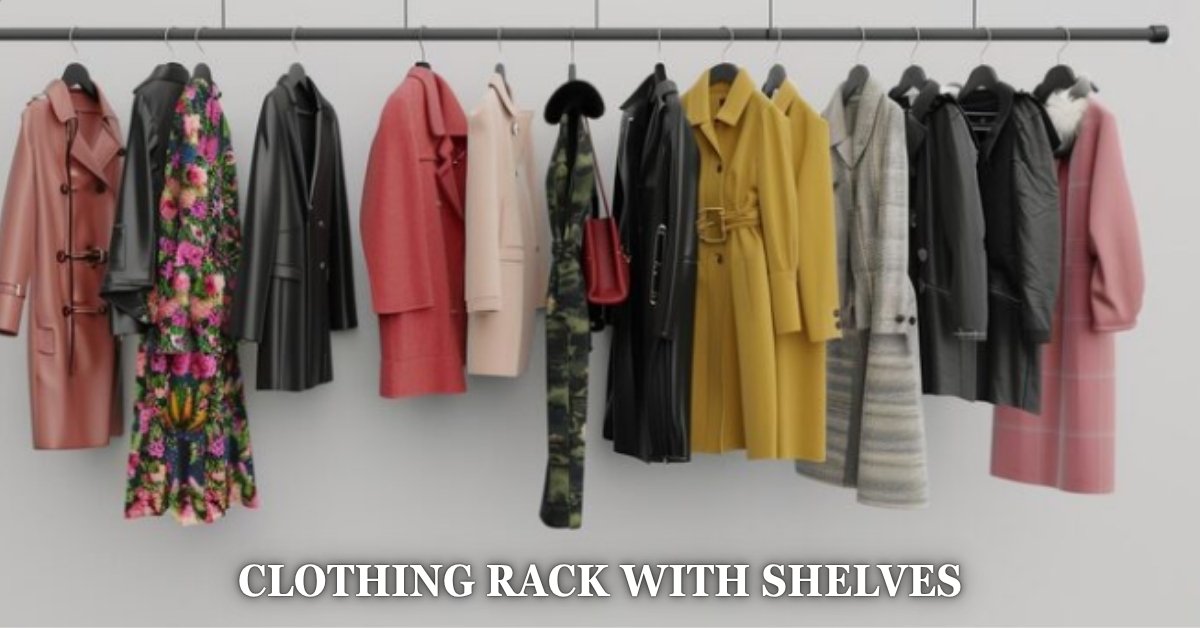
Jackets and coats: are particularly useful because their silhouettes can change the entire proportion of an outfit. Compare fitted blazers with oversized ones, cropped jackets with long coats, or structured outerwear with softer layers.
Shoes: can also expose style changes. You might move from sneakers to loafers, ballet flats to boots, or minimalist footwear to more expressive shapes. Because shoes affect both proportion and mood, they are worth documenting on their own.
Accessories: often show a quieter evolution. Bags, belts, watches, scarves, sunglasses, and jewelry can make similar clothing combinations feel completely different from one year to the next.
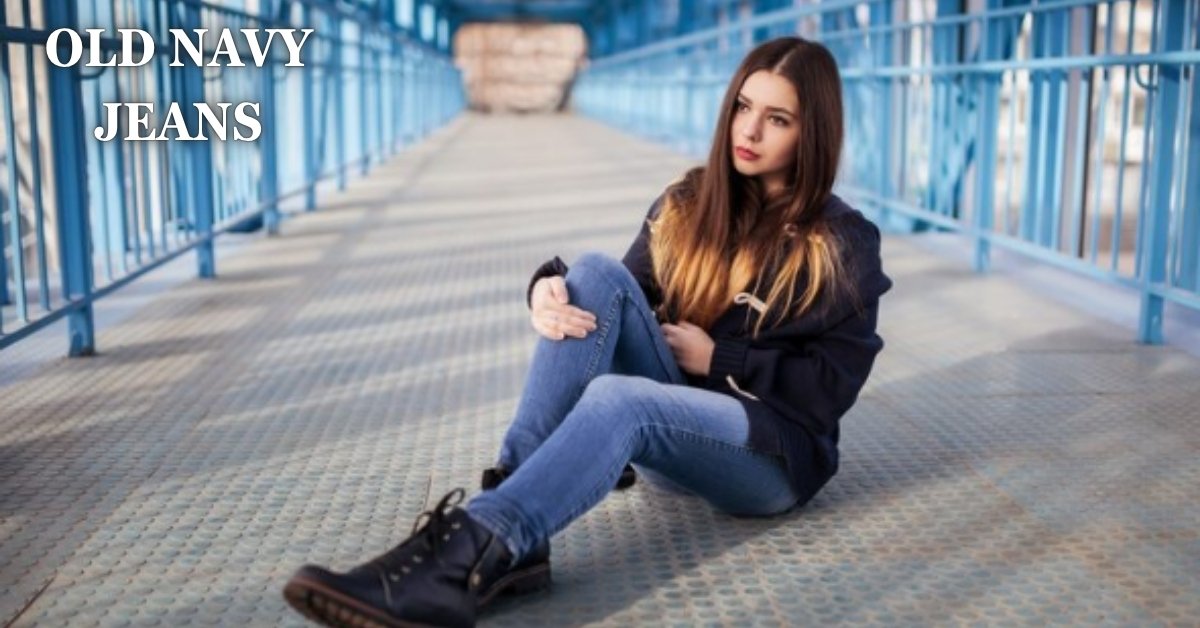
Denim: is another useful category. Record the rise, leg shape, wash, and hem of the jeans you wear most often. Your preferences may shift from skinny to straight, straight to wide, or rigid denim to softer blends.
The Mistake That Makes a Fashion Yearbook Boring
The biggest mistake is treating the archive as a gallery of perfect outfits.
If every entry is chosen because it looks polished, you lose the information that makes personal style interesting. Include outfits that taught you something, even if you would never wear them again. An outfit can fail because the trousers were too long, the jacket was too oversized, the shoes were uncomfortable, or the color combination did not suit your complexion or existing wardrobe. Recording that lesson gives the archive real practical value.
Another common mistake is documenting trends without documenting your response to them. A photograph of a popular silhouette tells you what was fashionable. A note explaining why you adopted it, modified it, or rejected it tells you something about your own style.
Turn Your Archive Into a Shopping Filter
Once you have enough entries, your fashion yearbook can become a genuinely useful shopping tool.
Before buying a new garment, compare it with the outfits you have actually worn. If a dramatic printed skirt looks exciting but cannot be connected to anything in your archive, think carefully before purchasing it. If your photographs repeatedly show that you prefer simple bottoms and detailed tops, another complicated bottom may not earn many wears. This is close in spirit to the discipline behind a capsule wardrobe, where every piece has to earn its place instead of sitting unworn.
The same test works for expensive pieces. A blazer may be worth paying more for if your archive shows that you wear tailored jackets throughout the year. A highly specific party dress may be harder to justify if your previous occasion dresses rarely leave the wardrobe. Your own photographs make an even more personal version of that test because they show what you actually wear, not what a trend report says you might wear.
Let Your Style Change Without Erasing the Past
A fashion yearbook should not pressure you into one fixed identity. Personal style changes because your lifestyle, climate, work, budget, interests, and comfort preferences change.
A person who once wore graphic tees every day might later prefer crisp shirts and tailored trousers. Someone who avoided color might eventually discover that red or cobalt blue makes their outfits feel more personal. Someone who loved delicate footwear might move toward practical sneakers after changing jobs or routines. None of those changes prove the earlier style was wrong. They are evidence that clothing responds to real life.
Create a Simple Digital Layout
You can keep your archive in almost any format that makes it easy to revisit.
A phone album is the simplest option. Create folders by year, season, or style period and add short notes to the image captions. A digital document gives you more space for outfit details, with one or two photographs per page alongside notes on the clothing, occasion, and styling decisions.
A spreadsheet works well if you enjoy organizing details. Columns for date, outfit type, dominant color, footwear, occasion, favorite piece, and wear frequency can reveal patterns surprisingly fast. Choose whichever format you will actually keep updating. Consistency matters far more than polish.
Make the Archive About Clothes, Not Perfection
The most useful fashion yearbook is not necessarily the prettiest one. It is the one that helps you understand why certain clothes stay in your wardrobe while others disappear.
Record the outfit you wore repeatedly. Save the shoes that transformed basic jeans. Keep the photograph where the proportions finally looked right. Include the failed experiment that taught you not to combine two particular silhouettes. Over time, these small observations become a personal styling reference, and you stop relying entirely on trend cycles in favor of recognizing your own patterns.
Conclusion
That’s the real value behind myhjyearbook as a fashion concept. A personal fashion yearbook turns scattered outfit photographs into a record of your style evolution. Start with the years, garments, and outfits you remember most clearly, then add short notes about fit, color, occasion, and what you learned, and use those patterns the next time you shop or get dressed. The best archive will not show a perfectly consistent wardrobe. It will show which clothes helped you become more confident, practical, and comfortable in your own style.
FAQ
What is myhjyearbook in a fashion context?
In a fashion context, myhjyearbook can be treated as a personal style archive that records outfits, clothing memories, styling experiments, and changes in your wardrobe over time.
What should I include in a personal fashion yearbook?
Include outfit photographs, dates, occasions, clothing pieces, shoes, accessories, colors, and short notes about what worked or did not work.
Can a fashion yearbook help me find my personal style?
Yes. Comparing outfits from different periods reveals repeated silhouettes, colors, fabrics, and styling choices you naturally return to.
Should I include outfits I no longer like?
Definitely. Unsuccessful outfits show you which fits, proportions, colors, or combinations you have learned to avoid.
Do I need professional photos for a fashion yearbook?
No. Clear full-length photographs from a phone are enough, as long as the clothing and overall proportions are visible.