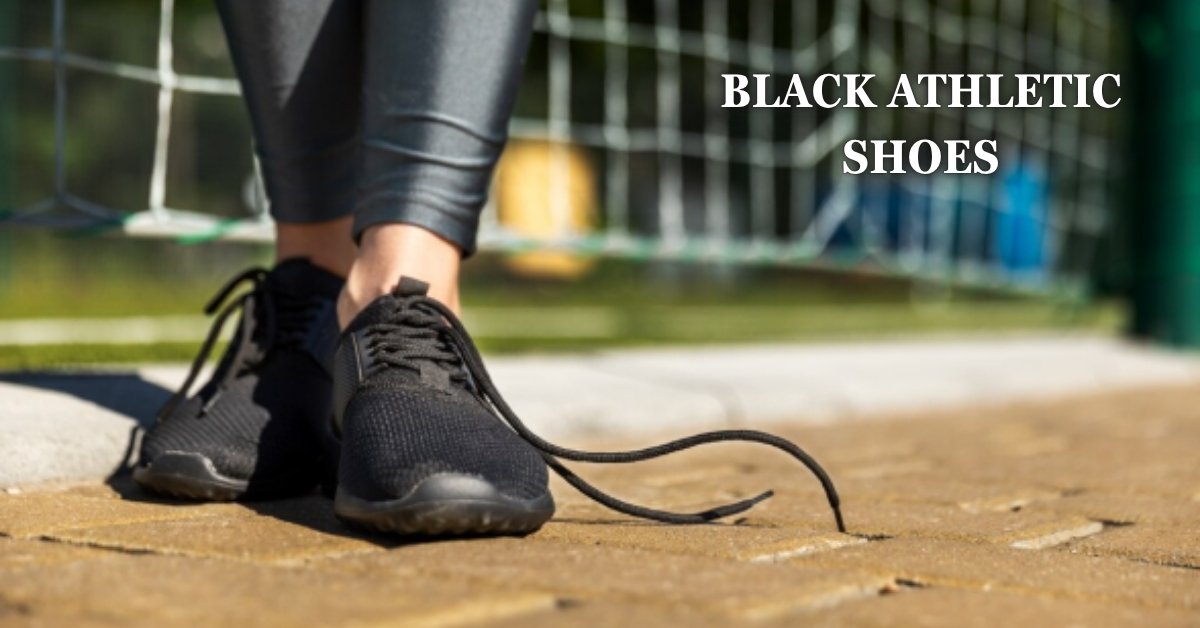
A single pair of black athletic shoes can carry you from an early workout to a casual dinner without ever feeling out of place, but only if you pick the right one. Most buying guides treat this category as one interchangeable group, ranking pairs by cushioning or price and stopping there. What actually separates a shoe that reads as intentional footwear from one that reads as pure gym gear comes down to three overlooked details: outsole profile, upper texture, and how the shoe ages once the foam starts to crease. This guide walks through all three, plus which silhouette and price range fits your actual routine, so you can buy once and wear the pair everywhere.
Short Answer
Black athletic shoes read as smart-casual rather than pure gym wear when the outsole stays slim and dark, the upper uses a low-shine knit or suede-look synthetic, and the fit passes a proper toe-room test. That combination moves from a workout to an office without a shoe change.
What Actually Makes a Black Athletic Shoe Look Dressed Up or Purely Gym
The color black hides almost nothing about a shoe’s actual purpose, which is exactly why so many black athletic shoes still read as gym gear the second you walk into a restaurant. What gives it away first is the outsole. A thick, two-tone rubber cup sole with visible tread lugs signals performance training no matter how sleek the upper looks above it. A slimmer outsole in matching black, with a subtle taper at the toe, reads closer to a minimalist sneaker than a treadmill shoe.
Upper texture comes next, and this is where most shoppers stop paying attention once they see the word black in the product title. Glossy, coated mesh catches light and looks unmistakably technical, the kind of finish built for moisture-wicking during a run. A matte knit, brushed nylon, or suede-look synthetic absorbs light instead of bouncing it back, which is the same visual trick a dress shoe uses to look formal. Pairs built around this kind of upper move between a gym bag and a work bag with almost no visual disconnect.
Lacing and collar height finish the impression. A padded, high collar with a chunky pull tab belongs to a training shoe built for lateral movement, and it will always look bulky under slim trousers. A lower-cut collar with flat laces and a narrower tongue keeps the silhouette closer to a court classic like a Stan Smith or a Samba, both of which have quietly become office-acceptable in plenty of workplaces. None of this changes how the shoe performs at the gym. It only changes how the eye reads it everywhere else.
Picks by Price Tier and Silhouette
Price tier matters almost as much as silhouette once you’re buying one pair to cover several jobs. Budget options in the fifty to seventy dollar range, mostly from Sketchers, Puma, and store-brand lines, tend to use a single-density EVA midsole and a canvas or basic mesh upper. They work fine for walking and light training, but the foam compresses faster and the upper shows creasing sooner, so treat this tier as a placeholder rather than a long-term buy.
The ninety to one hundred thirty dollar range is where the real versatility lives. New Balance’s 574 and 990 series, Adidas Sambas and Gazelles, and Nike’s Metcon line in an all-black color way all sit here, and each solves a slightly different problem. The 574 leans casual and forgiving, the Metcon is built for actual lifting and cross-training, and the Samba splits the difference with a low profile that reads street wear as easily as it reads athletic.
Above one hundred fifty dollars, brands like Hoka, On, and Brooks add proprietary cushioning foams and lighter overlays that shave real weight off the shoe. For readers deciding between similarly priced running-focused models, it’s worth reviewing how Hoka’s lineup actually differs by use case, since the premium price only pays off if the specific cushioning matches what your feet are doing all day, not just how the shoe looks in black.
Wearing the Same Pair From a Workout to a Late Meeting
Getting one pair to work across a full day starts with the rest of the outfit doing some of the adjusting. Straight-leg trousers or dark denim hemmed to break just above the shoe keep the sneaker from becoming the loudest thing in the room, while a cropped or slim pant that shows ankle makes the same shoe look sportier by exposing more of the outsole. Roll a sleeve, add a blazer with soft shoulders, and the exact same pair reads polished rather than post-gym.
Whether a black athletic shoe is genuinely appropriate for the office depends heavily on the dress code and how visible the branding is on the side panel. Workplaces with an open, business-casual policy generally accept a clean, low-profile black sneaker with no contrast logo, especially if the rest of the outfit is tailored. For readers on their feet most of the shift rather than sitting at a desk, the traction and support requirements shift too, and the slip ratings and arch support checks built for a full shift apply just as much to an all-black training shoe as they do to a dedicated work sneaker.
For evenings, swap white socks for a no-show or a black crew sock, since a flash of white above the ankle undoes the monochrome effect instantly. Weekend travel is the one scenario where practicality should win over styling. A slightly thicker cushioned sole handles airport floors and cobblestones better than the sleek pair you’d wear to dinner, even if it looks less refined next to tailored pants.
The Fit Mistake That Even Repeat Sneaker Buyers Make
A common misconception is that athletic shoe sizing runs the same across brands, so shoppers grab whatever size worked in their last pair of black athletic shoes and skip trying them on. Fit actually varies more in athletic shoes than in dress shoes, because midsole thickness, toe box shape, and lockdown from the lacing system all differ by model, not just by brand. A 574 and a Metcon in the same labeled size can fit a full half size apart in usable toe room.
Shoppers rarely question that number on the box, treating it as fixed information rather than a starting point specific to that particular last. Buying online without checking a brand’s specific fit notes compounds the problem, since a shoe that fits true to size in length can still crowd the toes if the toe box runs narrow.
The fix is a simple standing test rather than a seated one. With the shoe laced snugly, stand up and check that there’s roughly a thumb’s width of space between the longest toe and the front of the shoe, following the same standing fit check podiatrists recommend for any athletic shoe. Do this late in the day when feet are slightly swollen, not first thing in the morning, and the fit will hold up whether the shoe is doing gym duty or a full day of standing.
What Black Uppers Reveal That Other Colors Don’t
Black athletic shoes have a reputation for hiding dirt, but they’re actually worse at hiding one specific kind of wear. Every time a foam midsole flexes at the toe, the surface stretches slightly, and on a black upper that stress shows up as a pale, cracked line right at the crease within a few months of regular wear. Lighter color ways hide this same cracking almost completely, since there’s no dark background for the whitened foam to contrast against.
Salt residue from winter sidewalks and hard water spots from rain both show up as a dull gray film on black uppers that simply disappears on white or gray pairs. A damp microfiber cloth wiped over the upper after wet-weather wear, followed by air drying away from direct heat, keeps that film from setting into the material permanently. Direct sun exposure also matters more than most people expect, since black surfaces absorb more heat and can make foam soles noticeably warmer underfoot on a hot sidewalk than the same shoe in white.
If avoiding visible wear matters more than avoiding visible dirt, a textured or ribbed upper hides the flex-crease cracking noticeably better than a smooth one, since the texture breaks up the contrast that makes the cracking obvious. Between the two, a textured knit is the safer long-term buy for anyone planning to wear one pair daily for more than a year.
Matching the Category to What You’re Actually Doing
Black athletic shoes span running shoes, cross-training shoes, court-style sneakers, and walking shoes, and treating all four as interchangeable is how people end up with sore knees or a shoe that falls apart in three months. Running shoes prioritize forward-motion cushioning and a curved sole that rolls through each stride, while cross-training and gym shoes use a flatter, more stable base built for lateral movement during lifting or fitness classes.
If you’re not sure which category actually matches your week, it helps to start from the broader breakdown of the core shoe categories worth owning and work backward to which one comes in a black colorway that fits your budget. A single black pair genuinely built for cross-training can still be worn casually, but a shoe built purely for court sports will feel stiff and flat on a long walk.
Getting One Pair to Do This Much Work
The right black athletic shoes come down to matching outsole and upper texture to how dressed up you need to look, then confirming the fit stands up to a full day rather than a quick try-on. Buy in the ninety to one hundred thirty dollar range if you want real versatility, watch for flex-crease cracking as the shoe ages, and keep a second, more purely athletic pair in rotation once this one starts pulling double duty daily. One well-chosen pair really can replace three specialized ones.
FAQ
Do black athletic shoes get hotter in the sun than lighter-colored pairs?
Yes, slightly black absorbs more heat than white or gray, so the upper and midsole can feel a few degrees warmer on a sunny sidewalk, though breathable mesh panels offset most of the difference.
Is there a real difference between athletic shoes and running shoes if I only want one black pair?
Yes, running shoes are built for forward, repetitive impact with more heel cushioning, while general athletic shoes handle lateral movement and every day wear better, so pick based on the activity you do most.
Do black sneakers actually hide dirt and scuffs better than white ones?
They hide light dust and everyday grime well, but they show salt film, water spots, and flex-crease cracking more clearly than lighter colors do.
What sock color works best under black athletic shoes for a cleaner look?
A black or charcoal no-show or crew sock keeps the monochrome line intact, since white socks create a visible break that pulls attention straight to the ankle.
How long should one pair of black athletic shoes realistically last?
Most pairs worn several times a week hold their support for around eight to twelve months before the midsole cushioning noticeably flattens, though appearance-only wear like upper cracking can show sooner.