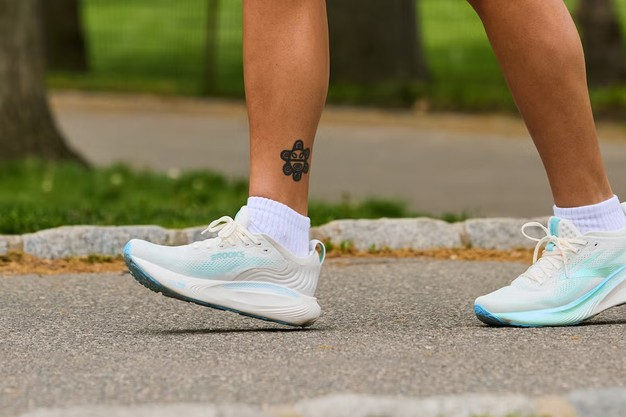
Finding the best walking shoes for women is about more than choosing a shoe that looks good. The right pair should feel comfortable from the first step, provide enough support for your feet, and work well for the way you actually walk.
Whether you need shoes for daily walks, travel, commuting, shopping, work, or spending long hours on your feet, the right design can make a noticeable difference in comfort.
In this guide, we’ll look at what makes a good walking shoe, which features matter most, and how to choose a pair based on your needs. We’ll also cover options for different walking situations, including everyday use, travel, wide feet, and extra support.
Quick Picks: Best Walking Shoes for Women
| Best For | Recommended Type | Key Feature |
|---|---|---|
| Best Overall | Cushioned walking shoe | Comfort + support |
| Best for Everyday Walking | Lightweight walking shoe | Easy all-day wear |
| Best for Travel | Lightweight sneaker | Walkability + versatility |
| Best for Wide Feet | Wide-fit walking shoe | Extra room |
| Best for Arch Support | Supportive walking shoe | Structured midsole |
| Best for Long Hours | Highly cushioned shoe | Impact absorption |
| Best Budget Option | Value walking sneaker | Comfort at a lower price |
What Makes the Best Walking Shoes for Women?
A walking shoe should support natural movement without making your feet feel restricted. Several features are especially important when comparing different women’s walking shoes.
1. Comfortable Cushioning
Cushioning helps reduce the feeling of impact when your feet repeatedly contact the ground. If you walk several miles a day or spend long periods standing, adequate cushioning can be particularly useful.
However, more cushioning does not automatically mean a better shoe. The best option depends on your personal comfort preferences and how much support you need.
2. Good Arch Support
Arch support can make a walking shoe feel more stable and comfortable, particularly for people who prefer a structured feel.
When shopping, look for shoes that provide supportive construction without creating pressure underneath your arch.
3. A Comfortable Fit
Even a highly rated shoe can be a poor choice if it does not fit your feet correctly.
Your toes should have enough space to move naturally, while your heel should remain securely positioned. If your feet tend to swell during the day, trying shoes later in the day can also help you judge the fit more realistically.
4. Lightweight Construction
Heavy shoes can become tiring during long walks. Lightweight materials can make walking feel easier, especially when you’re using the shoes for travel or everyday errands.
That said, extremely lightweight shoes may not provide the level of structure some walkers prefer.
5. Breathable Materials
Breathable uppers can help improve airflow around your feet. This can be useful during warmer weather, travel, workouts, and longer walks.
Mesh and other breathable materials are common choices for walking shoes.
Best Walking Shoes for Women: Our Top Categories
The “best” walking shoe isn’t identical for everyone. Your ideal pair depends on where you walk, how frequently you walk, and what your feet need.
Best Overall Walking Shoes for Women
For an overall pick, look for a shoe that balances cushioning, support, stability, weight, and everyday versatility.
A good all-around walking shoe should be comfortable enough for regular walks while still working for errands, commuting, and casual everyday wear.
Instead of choosing a shoe based only on its appearance, consider how it performs across different situations.
Best Walking Shoes for Everyday Use
If you’re looking for one pair to wear regularly, prioritize comfort and versatility.
Everyday walking shoes should ideally be:
- Comfortable for several hours
- Easy to put on and take off
- Supportive without feeling stiff
- Lightweight enough for daily use
- Suitable for different surfaces
A neutral-looking sneaker can also be more practical if you want one pair that works with multiple casual outfits.
Best Walking Shoes for Travel
Travel can involve significantly more walking than your normal routine. Airports, sightseeing, shopping districts, museums, and public transportation can quickly add up to several miles in one day.
For travel, prioritize:
- Lightweight construction
- Comfortable cushioning
- Breathable materials
- Secure fit
- Flexible movement
- Easy everyday styling
A versatile walking shoe can reduce the need to pack multiple pairs.
Best Walking Shoes for Women With Wide Feet
If you have wide feet, shoe width can be just as important as shoe length.
Look for brands and models that offer multiple width options rather than simply buying a longer size. A longer shoe may create extra space at the front without actually providing the width your feet need.
A good wide-fit walking shoe should allow your toes to spread naturally without squeezing the sides of your feet.
Best Walking Shoes for Arch Support
If arch support is one of your main priorities, look for a shoe with a supportive midsole and a stable platform.
Keep in mind that arch support is highly individual. A shoe that feels excellent to one person may feel uncomfortable to another.
If you already use custom orthotics or have a specific foot condition, check whether the shoe has enough removable insole space to accommodate them.
How to Choose the Right Women’s Walking Shoes
Before buying, consider these factors.
Consider How You Will Use Them
Start with your actual walking routine.
Are you buying shoes for:
- Daily neighborhood walks?
- Long-distance walking?
- Travel?
- Work?
- Shopping and errands?
- Walking workouts?
- Standing for long periods?
Your answer can narrow down the most suitable shoe style.
Check the Fit
Fit should be one of your biggest priorities.
When trying on walking shoes, check that:
- Your toes aren’t touching the front.
- Your heel doesn’t slip excessively.
- The sides aren’t squeezing your feet.
- Your arch feels comfortable.
- You can walk naturally without pressure points.
If possible, walk around in the shoes before deciding.
Think About Cushioning
Some walkers prefer soft, plush cushioning, while others prefer a firmer and more responsive feel.
If you regularly walk on hard pavement, you may prefer more cushioning. If you value stability and a grounded feeling, a firmer platform may be more appealing.
Look at the Outsole
The outsole affects how the shoe interacts with the surface beneath your feet.
For everyday walking, look for durable rubber or similar materials with enough traction for the surfaces where you normally walk.
If you frequently walk outdoors, traction becomes even more important.
Walking Shoes vs. Running Shoes: Which Is Better?
Walking shoes and running shoes can look similar, but they are designed around different movement patterns.
Running involves greater impact and a different stride, while walking generally involves a smoother heel-to-toe movement.
That doesn’t mean running shoes are automatically unsuitable for walking. In fact, many people comfortably use running shoes for everyday walking.
The better choice is the shoe that provides the fit, comfort, cushioning, and stability you personally need.
How Much Should You Spend on Women’s Walking Shoes?
Price shouldn’t be the only factor when choosing walking shoes.
A cheaper pair may look like a bargain, but if it becomes uncomfortable quickly, replacing it can cost more over time. At the same time, an expensive shoe isn’t automatically better.
Instead, compare:
- Materials
- Cushioning
- Fit
- Durability
- Support
- Warranty or return policy
- Customer feedback
- Intended use
For an affiliate buyer guide, this is also where readers can compare the current price and retailer availability before purchasing.
How Often Should You Replace Walking Shoes?
Walking shoes don’t last forever. Their usable life depends on how frequently you wear them, your walking surface, your body weight, and the construction of the shoe.
Signs that it may be time for a replacement include:
- Noticeably compressed cushioning
- Worn outsole
- Uneven tread
- Reduced support
- New discomfort while walking
- Visible damage to the upper
Instead of replacing shoes based only on a fixed number of months, pay attention to how the shoes actually feel and perform.
Common Mistakes to Avoid When Buying Walking Shoes
Buying Only for Appearance
A stylish shoe isn’t necessarily a comfortable walking shoe. Design matters, but comfort and fit should come first.
Choosing the Wrong Size
Don’t assume your shoe size is identical across every brand. Sizing and fit can vary between models.
Ignoring Width
Length isn’t the only measurement that matters. If your feet are wide, narrow, or somewhere in between, consider the available width options.
Buying Without Considering Your Walking Surface
A shoe designed for casual indoor use may not provide the traction you want for outdoor walking.
Assuming More Cushioning Is Always Better
Extra-soft cushioning isn’t ideal for every walker. Some people prefer a firmer, more stable feel.
Frequently Asked Questions
What are the best walking shoes for women in 2026?
The best walking shoes for women in 2026 depend on your individual needs. For most people, a good option should provide a comfortable fit, appropriate cushioning, reliable support, and enough durability for regular use.
What shoes are best for walking all day?
Shoes with comfortable cushioning, a secure fit, breathable materials, and adequate support are generally good choices for walking all day. Your personal foot shape and comfort preferences should also influence the decision.
Are walking shoes better than sneakers?
Walking shoes are specifically designed with walking comfort and movement in mind, but some sneakers and running shoes can also work very well for walking. The best option is the one that fits properly and feels comfortable for your walking routine.
What are the best walking shoes for women with wide feet?
Women with wide feet should look for shoes available in wider sizes or widths. A proper wide-fit design is generally preferable to simply purchasing a longer shoe.
What should I look for in women’s walking shoes?
Focus on fit, cushioning, support, weight, breathability, outsole traction, and durability. Your intended use should determine which features deserve the most attention.
Are expensive walking shoes worth it?
Not necessarily. A higher price does not guarantee better comfort. Compare construction, fit, support, durability, and user feedback rather than choosing based solely on price.
Final Verdict
The best walking shoes for women should make walking feel comfortable rather than becoming something you have to think about with every step.
For everyday use, prioritize a comfortable fit, balanced cushioning, adequate support, and a lightweight design. If you’re shopping for travel, consider versatility and long-walking comfort. For wide feet, focus on actual width options rather than simply sizing up.
Most importantly, choose based on your feet and your walking habits, not just popularity or appearance.
Before purchasing, compare the latest model specifications, available sizes and widths, current prices, retailer return policies, and verified customer feedback. That extra research can help you find a pair you’ll actually want to wear regularly.