Combed cotton shows up on tags for everything from $8 tank tops to $80 button-downs, and the label alone tells you almost nothing about which one you’re actually holding. The word describes a manufacturing step, not a fixed quality tier, so two garments can both say “100% combed cotton” and feel completely different against the skin. This guide breaks down what combing actually changes, how to read the yarn count number that most shoppers skip, and the one quick check that separates a genuinely soft piece from a tag doing marketing work.
The Bottom Line Upfront
Combed cotton is cotton that’s had its short, weak fibers brushed out before spinning, leaving longer strands that make a softer, stronger, less pilling-prone yarn. The catch is that combing alone doesn’t guarantee softness. The yarn count and fabric weight matter just as much, and most tags never mention either one.
What Combing Actually Does to the Fiber
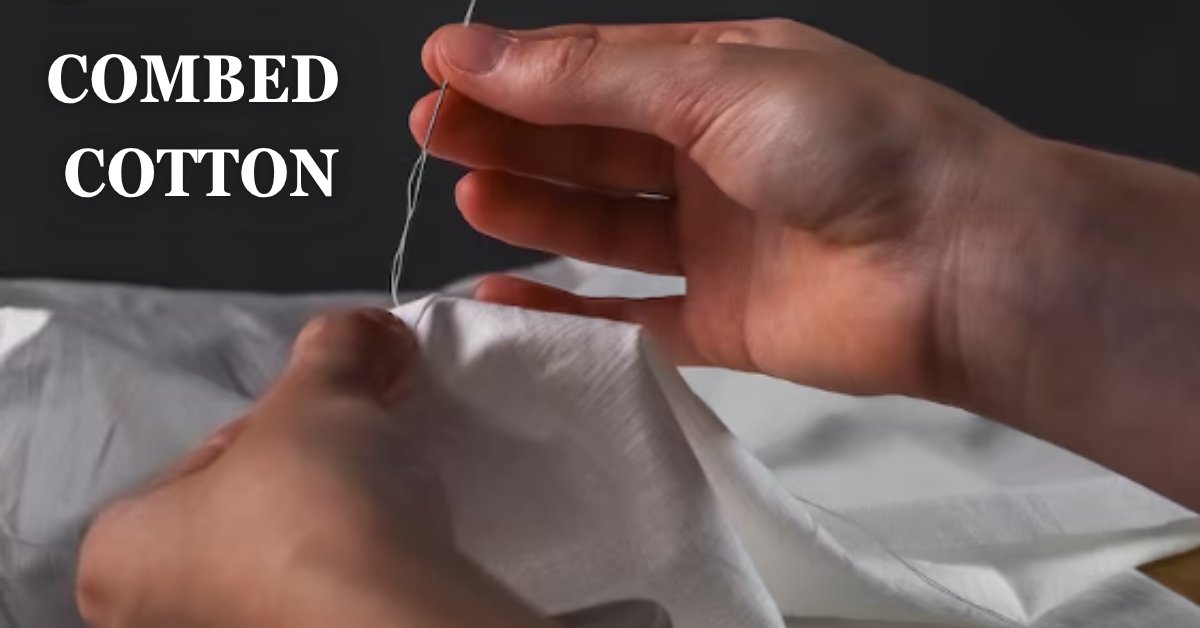
Raw cotton fiber comes off the plant in a mix of lengths, and a good chunk of that mix is short, brittle fluff that never should have made it into a shirt. Carding, the baseline step every cotton fabric goes through, brushes the fibers into rough alignment but leaves the short ones mixed in with the long ones. Combing adds a second pass through fine metal teeth that pulls out roughly 15 to 20 percent of the fiber by weight, keeping only the longer, straighter strands.
That loss is exactly why combed cotton costs more. The mill throws away usable fiber to get a cleaner result, and that waste, called noil, gets sold off for lower-grade uses like batting or industrial wipes. What’s left spins into a smoother, more even yarn with fewer stray ends poking out, which is the actual mechanism behind the softer hand and the reduced pilling people notice. A shirt made from those longer fibers also resists the small surface fuzz that regular carded cotton develops after a few washes, since there are fewer loose fiber ends left to tangle into little balls.
Reading the Yarn Count Before You Shop
Yarn count, written as a number followed by “s” like 20s, 30s, or 40s, measures how fine the spun thread is, and it changes what a combed cotton garment actually feels and looks like far more than the word “combed” does on its own. The number refers to how many 840-yard lengths of yarn weigh one pound, so a higher number means a thinner, finer thread, not a thicker fabric.
- Combed cotton 20s to 24s: thicker yarn, heavier hand, common in oversized tees, sweatshirts, and cold-weather basics that want visible substance
- Combed cotton 26s to 30s: the workhorse range for everyday t-shirts and henleys, balancing drape with enough body to hold a shape through the day
- Combed cotton 32s to 40s: finer yarn, lighter and softer against the skin, typical of dressier knit polos and premium tees priced above $35
- Combed cotton 40s and up: near-sheer, delicate hand, mostly reserved for lightweight layering pieces rather than standalone daily wear
None of these ranges is objectively the “best” one. A boxy oversized tee spun from 40s yarn will drape limp and cling in ways that read cheap rather than luxurious, while a fitted henley in 20s yarn can feel stiff and bulky under a jacket. The right count depends on the silhouette the garment is actually built for, the same logic that governs how a crisp cotton poplin holds structure for a fitted blouse that needs to keep its shape through a full day.
Combed, Carded, and Ring-Spun: Untangling the Label Language
Hangtags love stacking claims, and “combed and ring-spun” is one of the most common combinations that shoppers mistake for a single quality tier instead of two separate processes. Combing is about which fibers get used. Ring-spinning is about how those fibers get twisted into yarn, using a spinning method that adds extra twist and produces a rounder, stronger thread than the faster, cheaper open-end spinning most budget cotton relies on.
A shirt can be combed without being ring-spun, and it can be ring-spun without being combed, so a tag that only says one or the other is telling you half the story. The premium combination, combed and ring-spun together, shows up almost exclusively above the $20 t-shirt price point, since both extra steps add cost. Below that price, a “combed cotton” claim on its own usually means the fiber went through the comber but was still spun on cheaper open-end equipment, which caps how soft the finished fabric can actually get regardless of the fiber quality behind it.
Trademarked fiber names add another layer of confusion. Supima is a specific American pima cotton certification with its own fiber-length standards, not a synonym for combed cotton, and a garment can carry a generic “combed cotton” label without meeting Supima’s stricter criteria at all. The same tiered thinking applies across fabrics generally, which is worth remembering the next time a hangtag leans on a fiber name to imply quality without backing it up with the actual weight number that predicts how the fabric will really perform.
Where Combed Cotton Claims Actually Fall Apart
The mistake almost every shopper makes is treating “100% combed cotton” as a finish line rather than a starting point. A brand can technically comb the fiber and still cut costs everywhere else, using a low yarn count, thin GSM, or open-end spinning that undoes most of the softness gain the combing step was supposed to deliver. The confusion happens because combing is the only step most consumers have ever heard of, so it becomes the one word retailers lean on regardless of what happens after it.
The correct read is that combed cotton describes a floor, not a guarantee. A $12 combed cotton tee and a $38 combed cotton tee can both be telling the truth on the label while performing nothing alike, because the real differences sit in numbers the tag usually leaves out: yarn count, fabric weight in GSM, and whether the yarn was ring-spun. Checking for those specifics, when a brand bothers to list them, tells you more in ten seconds than the word “combed” tells you on its own.
The Two-Part Check You Can Run in the Store
Since most tags won’t hand over the yarn count, a physical check fills the gap. First, stretch a section of the fabric gently over your knuckles. Combed, ring-spun cotton holds its shape and springs back with minimal visible texture change, while lower-grade combed cotton often shows faint stretch marks or a slightly rougher surface where the weave strains. Second, hold the fabric up to a light source. A tightly spun combed cotton at a mid-range count, roughly 26s to 30s, blocks light evenly across the whole piece, while cheaper combed cotton tends to show thin, inconsistent patches where the yarn is uneven.
Neither test replaces knowing the actual numbers, but both catch the gap between a fabric that’s combed in name only and one where the combing actually shows up in how the piece performs. Running this check takes less time than reading the care label, and it works in a store aisle without needing a swatch cut or a lab.
Styling Combed Cotton by Weight and Garment Type
Fabric weight decides how a combed cotton piece actually wears, not just how it feels folded on a shelf. A midweight combed cotton tee, typically 5 to 6 ounces per square yard, holds enough structure to tuck cleanly into wide-leg trousers without collapsing, and it layers under an open shirt without adding bulk. Lighter combed cotton, closer to 4 ounces, drapes softer and works best oversized or half-tucked, since there’s less body to hold a fitted shape through a full day of movement.
Heavier combed cotton, 7 ounces and up, shows up mostly in sweatshirts and structured henleys, and it’s worth the extra weight for cooler months when a single warm layer needs to do the work of two thinner ones. Color matters here too. Combed cotton in dark, saturated tones tends to show the smoother surface and subtle sheen from the combing process more clearly than pale colors do, which is part of why a well-made black combed cotton tee often reads more expensive than the same fabric in white.
Price generally tracks these details fairly closely once a brand passes the $15 mark. Between $8 and $15, expect combed cotton with a lower yarn count and open-end spinning. From $18 to $35, combed and ring-spun combinations become common, along with tighter quality control on the GSM. Above $35, brands are usually paying for finer yarn counts, better dye consistency, or a trademarked fiber like Supima layered on top of the combing process itself.
Caring for Combed Cotton So It Keeps Its Softness
Combed cotton doesn’t need special treatment, but a few habits protect the softness the combing process paid for. Washing in cool or warm water rather than hot keeps the fiber from swelling and shrinking unevenly, which is what causes a once-smooth tee to develop a slightly puckered texture after a dozen washes. Turning garments inside out before washing reduces surface friction against zippers and rougher fabrics in the same load, which is one of the more common causes of early pilling on an otherwise well-made piece.
Always check the specific garment’s label first, since manufacturers are required to disclose at least one safe cleaning method under the FTC’s Care Labeling Rule, and combed cotton blended with elastane or polyester can have different heat tolerances than pure cotton alone. Tumble drying on low heat is generally fine for combed cotton, but line drying preserves the fiber’s length and softness longer, since repeated high heat is what eventually breaks down the very fiber structure the combing process worked to create.
Conclusion
Combed cotton is a real quality marker, but it’s only the first of three numbers that decide how a garment actually feels and holds up. Check the yarn count when it’s listed, run the knuckle and light test when it isn’t, and weigh the price against whether ring-spinning is mentioned alongside the combing claim. Do that once and a hangtag stops being a guess and starts being useful information.
FAQ
Is combed cotton the same thing as Egyptian cotton?
No, combed cotton describes a processing step any cotton fiber can go through, while Egyptian cotton refers to where the raw fiber was grown, and a garment can be one, both, or neither regardless of what the tag implies.
Does a higher yarn count always mean a better t-shirt?
Not automatically, since a very high count like 40s makes a delicate, sheer fabric that suits layering pieces but performs poorly as a standalone everyday tee.
Is combed cotton machine washable?
Yes, combed cotton generally handles a normal machine wash fine in cool or warm water, though checking the specific garment’s care label matters more once elastane or other fibers are blended in.
Why does my “100% combed cotton” tee still feel thin and cheap?
That usually comes down to a low yarn count or open-end spinning rather than the combing claim being false, since combing alone doesn’t fix a fabric that’s thin or loosely spun to begin with.
Is combed cotton worth paying extra for over standard carded cotton?
For pieces worn close to the skin daily, yes, since the reduced pilling and added durability tend to offset the higher price over the garment’s lifespan, though the gain shrinks for occasional-wear pieces.