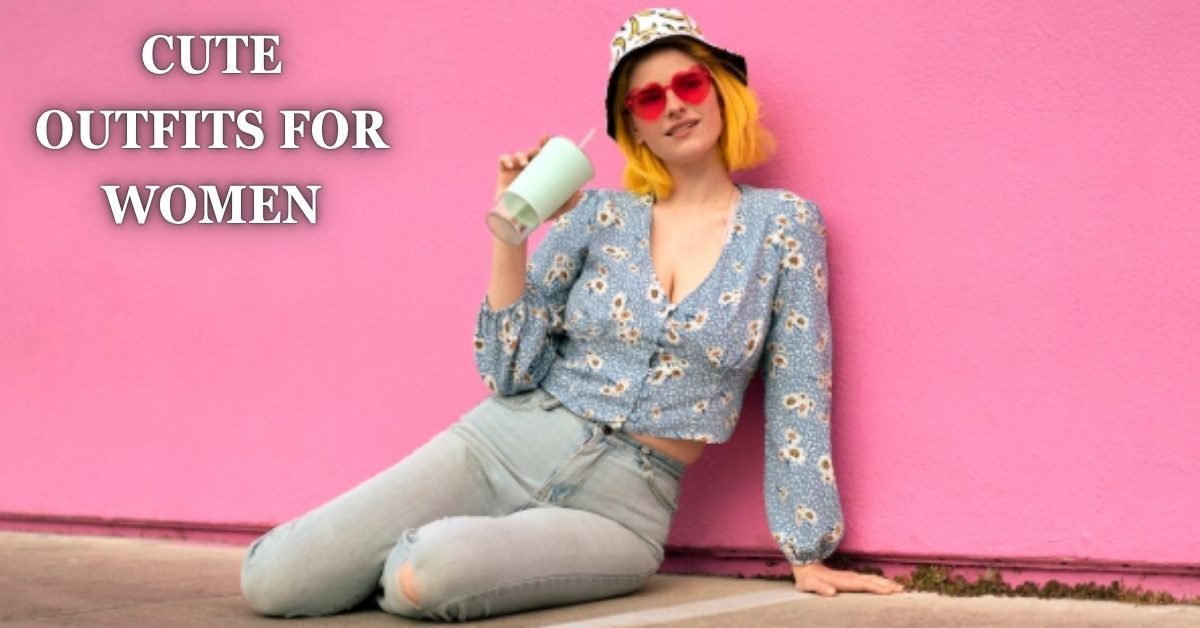
Cute outfits for women come down to three decisions done well: proportion, color, and one detail that feels slightly imperfect instead of overly matched. This guide gives you real combinations for weekday errands, date night, and dressier plans, with actual fabrics, colors, and price ranges instead of vague suggestions. You will also see why some cute outfits read as costumey while nearly identical ones read as effortless, and what to change when that happens. By the end, you will know exactly which pieces to reach for and which single adjustment fixes most outfits that feel almost right but not quite.
Quick Answer
A cute outfit for women pairs one fitted piece with one relaxed piece, sticks to two or three colors with one soft or bright accent, and adds a single playful detail such as a bow, a scalloped hem, or a contrast shoe rather than matching every element too perfectly.
Everyday Cute Outfits You Can Build This Week
A daytime cute outfit works hardest when it survives errands, a coffee stop, and a casual lunch without needing a change of clothes. Start with a fitted ribbed tank in a soft color like sage or blush, priced around eighteen to twenty five dollars, tucked into high rise wide leg jeans in a light or mid wash. Add white leather sneakers and a small structured crossbody bag in a contrasting color like cherry red, since one bright accessory does more visual work here than a second patterned piece would.
A second version leans sweeter without tipping into costume territory. A puff sleeve babydoll top in a small gingham or ditsy floral, paired with straight leg denim shorts or a denim mini, keeps the top’s romantic details from feeling overdone. Mary Jane flats in a patent black or cherry finish and a thin gold anklet finish the look for around forty five dollars total if bought new, or nothing at all if the pieces already live in your closet.
For cooler days, swap the tank for a cropped cardigan in a pastel like lavender or buttercream over a plain white tee, layered with a pleated mini skirt and knee high socks. This combination borrows from the coquette aesthetic that gained traction through a 2020s fashion trend built around sweet, romantic, and playful elements that lean into femininity through lace, flounces, pastel colors, and bows, though a toned down daytime version only needs one of those details, not all four at once. Wikipedia
Cute Date Night and Going Out Outfits
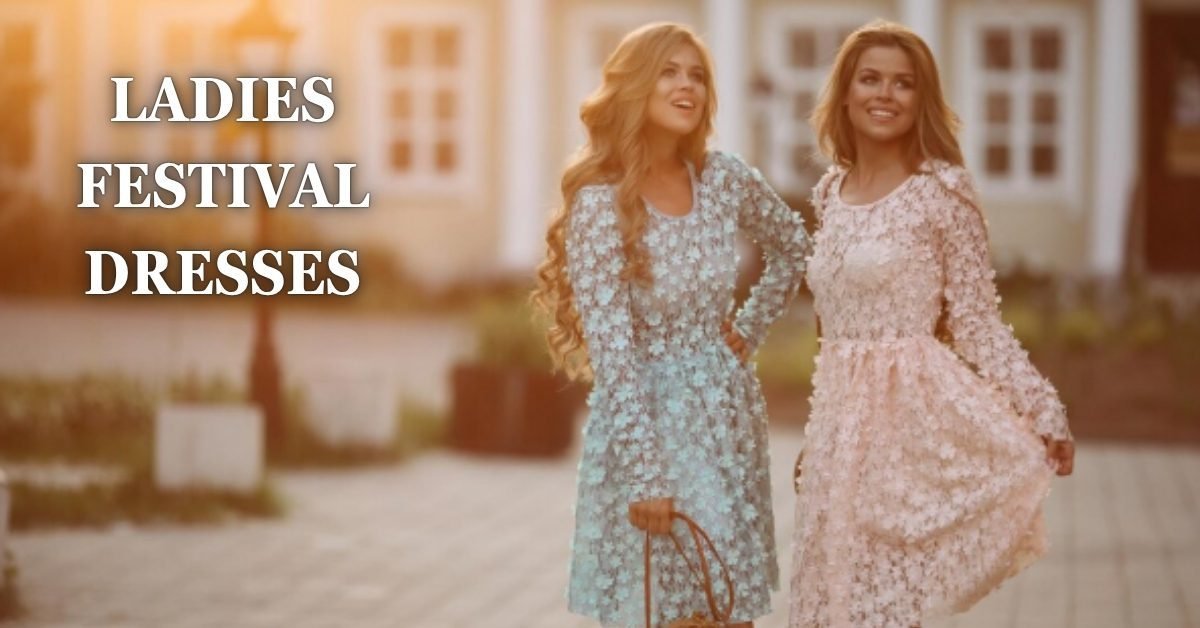
Date night outfits earn the word cute when they feel considered rather than costumed, which usually means picking one statement piece and letting everything else stay quiet. A satin slip dress in a warm caramel or dusty rose, worn with strappy block heels and a single delicate necklace, hits that balance without needing a second accessory to compete with the fabric’s shine. Budget around fifty five to eighty dollars for a slip dress that photographs well and does not need constant adjusting.
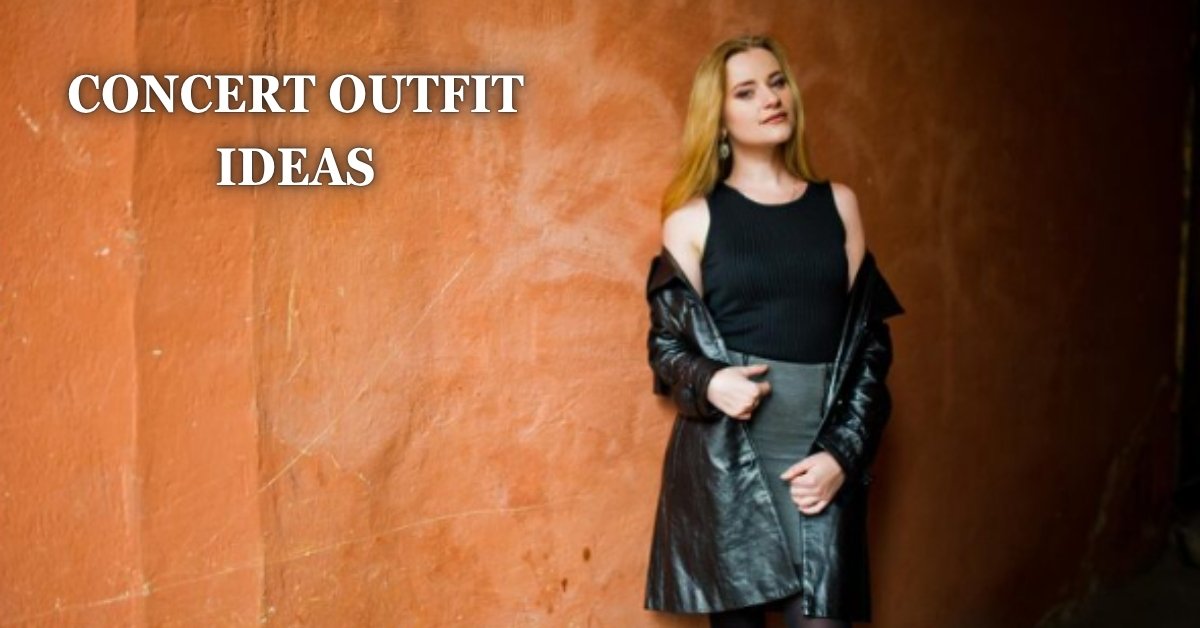
A dressier separates option works just as well for readers who prefer not to wear a full dress. A fitted bodysuit in black or ivory, tucked into a flippy midi skirt with a scalloped or lettuce hem, gives the same fitted-then-loose silhouette that reads as cute rather than plain. Kitten heels in a soft metallic finish add just enough shine under evening lighting without looking like they belong under stage lights. Readers planning something louder, like a concert or a night with a full crowd, will find more specific advice in this breakdown of concert outfits built to survive several hours on your feet.
The Detail That Actually Makes an Outfit Read as Cute
Most guides to cute outfits focus entirely on the clothes and skip the detail that separates a cute look from a merely coordinated one. That detail is a single element that looks slightly unfinished on purpose, a loosely tied bow, one sock pulled higher than the other, a cardigan buttoned only at the top button instead of all the way down. Perfectly matched, perfectly symmetrical outfits tend to read as costume or uniform rather than cute, because nothing about them looks like a real person got dressed in a hurry and still looked good.
This is the one piece of advice most competing guides never mention, and it costs nothing to apply. Take whatever outfit you have already assembled and deliberately undo one small thing about it, untuck one side of a tucked shirt, push a sleeve up past the elbow, or swap one matching earring for a mismatched pair. That small asymmetry is what a stylist would call the imperfect anchor, and it does more to make an outfit feel alive than another accessory ever could.
Where the Cute Outfit Idea Actually Goes Wrong
The biggest misconception around cute outfits for women is that cute means young, and that anyone past their twenties needs to translate every piece into something more muted to still look appropriate. That belief pushes a lot of women away from silhouettes and colors that would genuinely suit them, simply because the word cute got attached to a narrow age bracket somewhere along the way. The confusion comes from how cute outfits get marketed, mostly to teenagers and college students, rather than from anything about the clothes themselves.
The correction is simpler than it sounds. Swap scale and fabric weight instead of swapping the whole concept. A puff sleeve blouse in a heavier silk crepe instead of a thin cotton reads as polished at any age, and a knee length pleated skirt in a structured fabric carries the same playful shape as a mini without the length doing the work of looking younger. The silhouette rules that make an outfit cute do not have an age limit attached to them, only the specific fabric weight and hem length need adjusting as personal comfort changes.
What Makes a Cute Outfit Actually Work
Fit decides more of this than color or trend ever will. A top that is fitted through the shoulder and bust but slightly loose at the waist reads as soft and put together, while the same top sized one size up everywhere looks shapeless instead of relaxed. Getting one piece properly tailored, usually a blazer or a dress at the waist, changes how an entire outfit reads more than swapping any accessory would.
Color works best in a tight range for this particular style. Pastels, warm neutrals like camel and cream, and one saturated accent color like cherry red or cobalt cover almost every cute outfit combination without looking overdone. Three or more competing bright colors in one outfit usually reads as busy rather than cute, so pick one color to lead and let the rest support it.
Texture adds the last layer of interest once fit and color are settled. Mixing a slightly textured piece, a waffle knit, a subtle rib, or a small jacquard, against something smooth like satin or denim keeps an outfit from looking flat in photos. That contrast matters more than most people realize, since a monochrome outfit made entirely of the same smooth fabric can read as plain even when the fit and color choices are otherwise correct.
Adjusting Cute Outfits for Your Body, Budget, and Season
Every combination above shifts with body type without losing its core shape. Readers with a fuller bust often get more mileage from a wrap top or a V neck over a crew neck babydoll style, since the wrap shape avoids adding extra volume up top. Petite frames tend to benefit from a higher waistline and a shorter hem, since a longer skirt or dress can visually shorten the leg line on a smaller frame.
Budget can stretch or shrink this style without changing the formula. Every look above works using pieces in the twenty to fifty dollar range, or it can lean into one higher cost item, usually a well cut dress or a leather bag, since those two hold up the longest across repeat wear. Spending more on statement jewelry rarely changes how cute an outfit reads, spending more on fit almost always does.
Season adjusts mostly through fabric and layering rather than an entirely different wardrobe. The same babydoll top and mini skirt combination works through spring and summer as written, then carries into fall with tights, a cropped cardigan, and ankle boots added on top. Keeping one or two transitional layering pieces on hand extends every cute outfit idea here across several more months than most people plan for.
Conclusion
The fastest way to put this into practice is picking one outfit above, whether it is the everyday tank and jeans combination or the slip dress for date night, and building it from pieces already in your closet before buying anything new. Once that one works, apply the fitted-then-relaxed rule and the single imperfect detail to a second look, then a third. Cute outfits for women come together fastest through small, deliberate choices, not through buying a completely new wardrobe every season.
FAQ
What’s the difference between a cute outfit and a trendy one?
A trendy outfit chases whatever is popular that season, while a cute outfit relies on fit, color balance, and one soft or playful detail that stays flattering regardless of what is currently in style.
How do you make a casual outfit look cute instead of sloppy?
Keep one half of the outfit fitted, add a single considered accessory like a structured bag or a colorful shoe, and skip more than two patterns or prints in the same look.
Can cute outfits work for women past their twenties, not just younger shoppers?
Yes, the silhouette and color rules apply at any age, the only real adjustment is a heavier fabric and a slightly longer hem for personal comfort, not a different style entirely.
What’s a reasonable starting budget for a few cute outfits?
Most of the combinations here work using pieces between twenty and eighty dollars each, with one higher cost item like a dress or a bag doing the most repeat duty across several outfits.
How do you keep a cute outfit from looking like a costume?
Limit sweet details like bows, ruffles, or lace to one or two per outfit, and let the rest of the look stay simple so the playful piece has room to stand out instead of competing with itself.