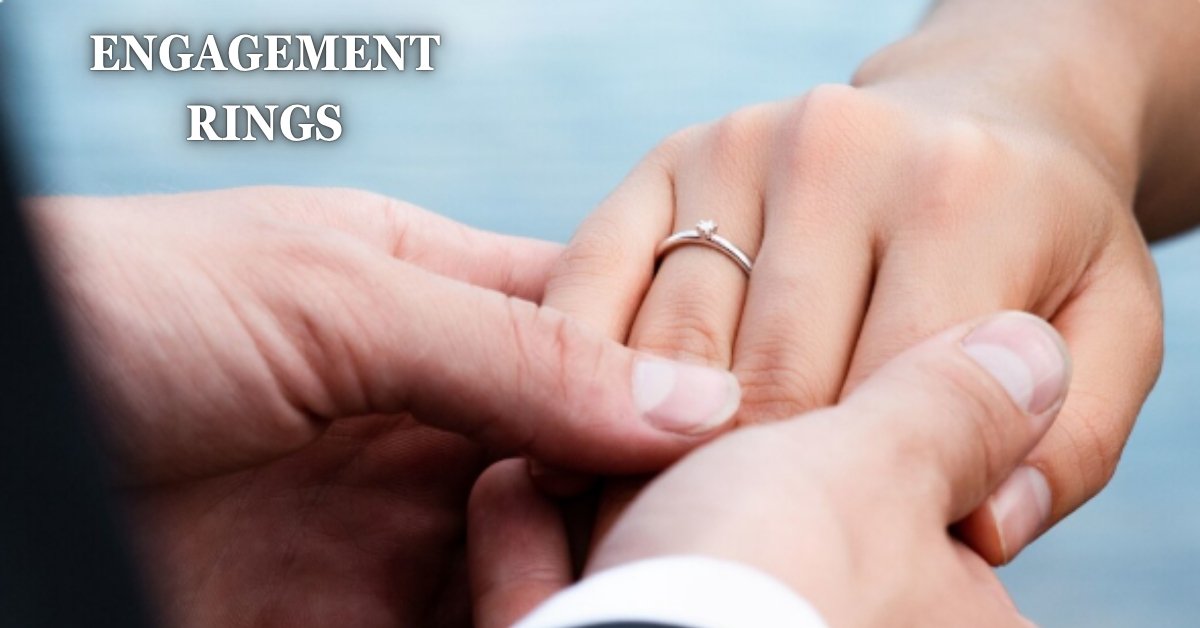
Buying engagement rings can feel exciting and overwhelming at the same time. There are diamonds to compare, metals to consider, ring settings to understand, and countless styles competing for your attention. The good news is that you do not need to become a gemologist before making a smart choice. You simply need to understand what matters, decide what suits your partner’s style, and know how to compare quality before spending your money. Current guidance from the Gemological Institute of America (GIA) continues to emphasize the importance of the diamond’s 4Cs cut, color, clarity, and carat weight when evaluating a diamond.
What Makes Engagement Rings Special?
An engagement ring is more than a piece of jewelry. It is usually chosen to represent a commitment, which is why the right ring should feel personal rather than simply expensive. Some people love a traditional solitaire, while others prefer vintage details, unusual gemstones, or modern minimalist designs. The best choice is the one that reflects the wearer’s personality and can comfortably become part of their everyday style.
Choosing a Style That Feels Personal
Start by observing the jewelry your partner already wears. Do they usually choose yellow gold, white gold, or platinum? Are their earrings and necklaces delicate and understated, or bold and eye-catching? These small clues can tell you much more than a generic list of “popular” styles. A ring should feel like something they would naturally choose for themselves.
Popular Engagement Ring Settings
The setting controls how the center stone looks and how securely it is held. A solitaire setting keeps attention on one central diamond, while a halo setting surrounds the center stone with smaller stones for additional sparkle. Three-stone designs have a symbolic appeal and can create a distinctive profile, while pavé bands add brilliance across the shank. Think of the setting as the frame around a painting: the center stone matters, but the frame changes the entire impression.
Understanding the 4Cs Before You Buy
The 4Cs cut, color, clarity, and carat weight are the standard framework used to describe diamond quality. GIA explains that these characteristics help buyers compare diamonds, but they should not be considered in isolation.
Cut
Cut has a major influence on how much light a diamond returns to the eye. It is different from shape: an oval and a round diamond can both be beautifully cut, but their shapes are different. For someone who prioritizes sparkle, cut deserves serious attention because brilliance, fire, and scintillation depend heavily on how the diamond’s facets interact with light.
Color
Diamond color is generally graded from D to Z, with D representing the highest colorless grade in this scale. However, paying for the highest possible color grade is not automatically the smartest decision for every ring. The metal can affect how color is perceived, and GIA notes that the appearance of color can interact with the chosen setting and metal.
Clarity
Clarity describes internal inclusions and surface blemishes. A diamond does not necessarily need to be flawless to look beautiful to the naked eye. In fact, clarity should be considered alongside the diamond’s shape, cut, and viewing conditions rather than treated as a race toward the highest grade. GIA explains that clarity depends on characteristics such as the size, position, visibility, and number of inclusions or blemishes.
Carat Weight
Carat measures weight, not simply visual size. One metric carat equals 200 milligrams, and two diamonds with the same carat weight can look different depending on their shape and proportions. This is why choosing a ring based solely on carat can be misleading. A beautifully proportioned diamond can sometimes create a more impressive appearance than a heavier stone with less appealing proportions.
Natural or Lab-Grown Diamonds?
One of the biggest decisions facing modern buyers is whether to choose a natural diamond or a laboratory-grown diamond. Laboratory-grown diamonds have essentially the same optical, physical, and chemical properties as mined diamonds, but they are created through technology rather than geological processes. The Federal Trade Commission says sellers should clearly disclose when a diamond is laboratory-created rather than mined.
Comparing the Two Options
| Feature | Natural Diamond | Lab-Grown Diamond |
| Origin | Formed naturally underground | Created in a laboratory |
| Appearance | Diamond | Diamond |
| 4Cs | Used for grading | Used for grading |
| Main distinction | Geological origin | Manufacturing origin |
| Buying priority | Quality, report, setting | Quality, report, setting |
The better option depends on personal priorities, budget, and what the recipient values. Rather than assuming one is automatically superior, focus on transparent disclosure, reliable grading documentation, craftsmanship, and the overall ring design.
How to Choose the Right Ring Setting
The setting is where style meets practicality. A high-profile setting can make a center diamond appear prominent, but it may also be more exposed to accidental knocks. A lower-profile design can feel more practical for someone who works with their hands or prefers jewelry that stays closer to the finger.
Match the Setting to Everyday Life
Consider how the ring will actually be worn. Someone with an active lifestyle may appreciate a secure setting with protective features, while someone who loves glamorous jewelry may prefer a more elaborate halo or pavé design. Comfort matters, too. The perfect ring should look beautiful in photographs but also feel natural after hours of wear.
Choosing the Right Metal
Gold and platinum remain classic choices, but they create noticeably different visual effects. Yellow gold has a warm, traditional appearance, while white gold and platinum provide a cooler backdrop that can emphasize a bright-looking diamond. Rose gold offers a softer, romantic character and can make a classic setting feel more distinctive.
Think Beyond the Current Trend
Fashion can influence your decision, but engagement rings are generally expected to last much longer than a seasonal trend. A timeless setting can always be styled with other jewelry later. If your partner already has a strong personal aesthetic, matching that aesthetic is often more meaningful than selecting whatever happens to be trending.
Smart Tips for Buying Engagement Rings
Before paying, take time to verify the important details. GIA recommends knowing the 4Cs, measuring ring size, choosing a reputable jeweler, and insisting on a diamond grading report.
Check the Diamond Report
A reputable grading report gives you independent information about the diamond’s characteristics and identity. This becomes particularly important when comparing stones that appear similar but have different grades or proportions. Rather than relying entirely on sales language, use the report as one of your main comparison tools.
Avoid Buying Only for Carat
A larger diamond may sound impressive, but size is only one part of the picture. Put simply, a bigger stone is not automatically a better stone. Consider how cut, shape, color, clarity, and setting work together before making the final decision.
How Much Should You Spend?
There is no universal amount that everyone should spend on an engagement ring. The old idea that a ring must equal a particular number of months of income is better treated as marketing folklore than a personal financial rule. Your budget should reflect your circumstances, priorities, and long-term plans.
Build a Realistic Ring Budget
Set your maximum budget before falling in love with a specific diamond. Then divide your attention between the center stone, setting, metal, craftsmanship, taxes, resizing, and potential insurance. A slightly simpler setting paired with a well-chosen center stone can create a more balanced result than spending almost everything on carat weight.
Conclusion
The best engagement rings combine personal style, thoughtful design, reliable quality, and a budget that makes sense. Learn the 4Cs, compare diamond reports, consider natural and laboratory-grown options, and choose a setting that suits the wearer’s lifestyle. Most importantly, do not let technical specifications overshadow the reason you are buying the ring in the first place. A meaningful ring is not necessarily the largest or most expensive one; it is the one that feels right for the person who will wear it.
FAQ
What is the most important diamond quality factor?
For many buyers, cut deserves special attention because it strongly influences how a diamond interacts with light and creates sparkle. However, the right priority depends on what the wearer values most.
Is a one-carat diamond a good choice?
A one-carat diamond can be an excellent choice, but carat weight alone does not determine beauty. Shape, cut, color, clarity, and proportions all influence how the stone looks.
Are lab-grown diamonds real diamonds?
Laboratory-grown diamonds are diamonds rather than diamond imitations when they have essentially the same optical, physical, and chemical properties as mined diamonds. The FTC recommends clearly identifying them as laboratory-grown or laboratory-created.
Which engagement ring setting is most popular?
Solitaire settings remain a classic choice because they keep attention on the center stone. Halo, three-stone, pavé, and vintage-inspired settings are also popular options for different tastes.
Should I buy an engagement ring online?
Online shopping can make comparison easier, but buyers should pay close attention to grading documentation, return policies, warranties, ring sizing, retailer reputation, and product descriptions. A trustworthy seller should make these details easy to verify before purchase.