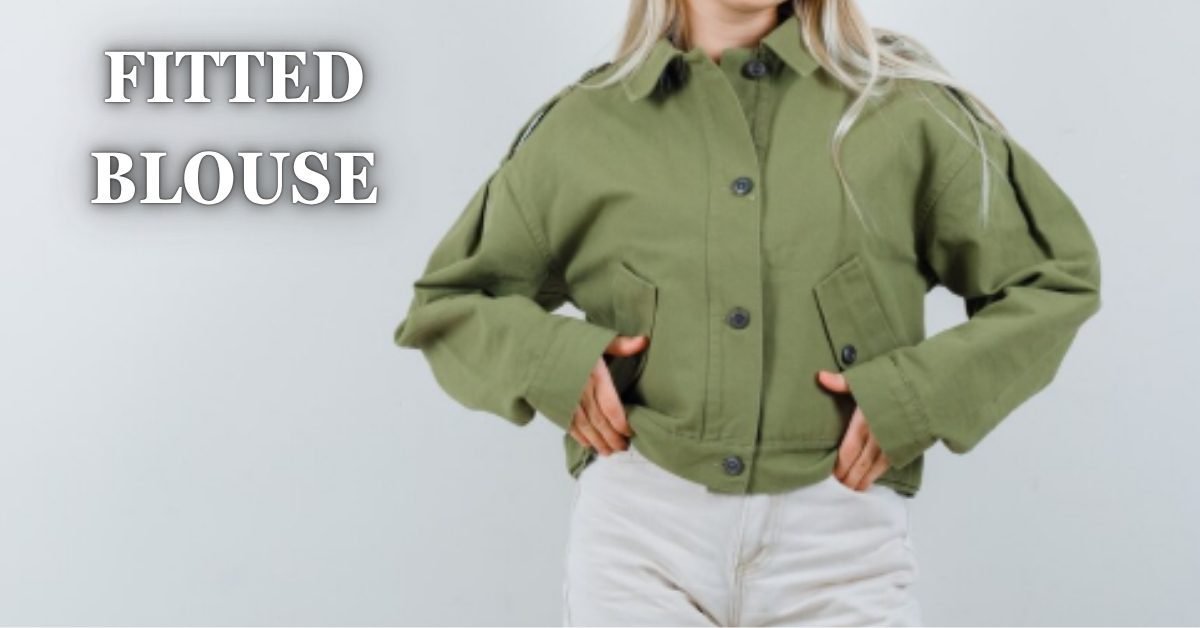
A fitted blouse is built to follow your shape through the shoulder, bust, and waist without gaping or riding up, and the difference between a good one and a disappointing one usually comes down to construction you can check before you ever put it on. Most buying guides talk about silhouette and color and stop there. This one walks through the actual fit test, the fabric and price signals that predict how a blouse will behave after three washes, and the styling formulas that make a fitted blouse work for the office, the weekend, and everything between. By the end, you will know exactly what to check on a hanger so you stop guessing at your size.
Short Answer
A fitted blouse is cut close to the body through the bust and waist using darts, princess seams, or shaping panels rather than relying on stretch fabric to fake the shape. Check the shoulder seam placement and bust dart intake before buying, since those two details predict fit far better than the size label does.
What “Fitted” Actually Means on a Blouse
The word fitted gets used loosely across retail listings, but it describes a specific construction choice, not just a snug feel. A genuinely fitted blouse uses bust darts or princess seams, vertical shaping lines that run from the shoulder or armhole down toward the waist, to remove excess fabric and let the garment follow your actual curves. That’s different from a blouse that only feels tight because it was cut a size too small, and it’s also different from a stretch top that skips structural shaping entirely and just relies on spandex content to cling.
Cheaper fitted blouses fake the look with two-way stretch fabric and zero seams doing any shaping work, which is why they often look fine on the hanger and then bunch or ride up within an hour of wearing. A structured version with real darts holds its shape through a full day because the fabric isn’t doing the work of a missing seam. That’s also why a well-cut fitted blouse in a woven fabric like cotton poplin or a ponte knit with some structure tends to outlast and outperform the identical silhouette in a thin, all-stretch jersey.
Fitted sits in the middle of a spectrum that runs from relaxed to slim to tailored, and the labels get used inconsistently across brands, which is part of why online shopping for this term goes wrong so often. A relaxed blouse has ease built in everywhere. A slim cut narrows the whole silhouette but often skips real shaping at the waist. A tailored or fitted cut specifically shapes the waist and bust with seams, which is the detail that actually separates a blouse that skims your body from one that just sits closer to it without following the shape underneath.
The Fit Check Before You Buy
Start at the shoulder, since almost every fit problem in a fitted blouse traces back to this seam. The seam should sit right at the edge of your shoulder bone, not drooping down your arm and not pulling up toward your neck. If the shoulder seam is wrong, no amount of tailoring elsewhere fixes the overall proportion, so this is the one measurement worth checking before anything else on the hanger.
Next, check the armhole depth by moving your arm through a full range of motion if you can try the blouse on, or by comparing the garment’s flat armhole measurement to a piece you already own and like. A fitted armhole should sit close without cutting into your underarm when you raise your arm partway, and an armhole that’s too tight will pull tension lines across the whole chest even if the bust measurement technically fits.
The bust dart intake is the detail almost nobody checks, and it’s the one that predicts gaping better than any other measurement. Look at where the dart points toward the fullest part of the bust, and gently pinch the fabric along that line, since a well-placed dart should end an inch or so short of the bust point rather than pointing directly at it, which avoids the small pucker that cheaper patterns create. If the blouse has no bust shaping at all and relies purely on stretch, expect some gaping between buttons on a fuller bust regardless of size.
Finally, check the waist and hip skim by looking at how the side seam curves inward. A fitted blouse should follow an hourglass-adjacent curve rather than running straight down from armpit to hem, and a straight side seam on a blouse marketed as fitted is a sign the shaping is coming from stretch fabric alone rather than the actual pattern cut.
Where People Get the Fit Wrong
The most common mistake with a fitted blouse is buying strictly to the bust measurement and ignoring the shoulder and armhole entirely. That approach produces the classic horizontal pull lines across the chest, buttons that gap by midafternoon, and sleeves that bind at the widest point of the arm, and it happens because most shoppers assume fit is a single number rather than three or four measurements working together. A blouse can measure correctly at the bust and still fail everywhere else if the shoulder was cut for a different frame.
The fix is checking the garment’s flat shoulder-to-shoulder measurement against your own before looking at anything else, then sizing up if the shoulder runs narrow even when the bust technically fits. It’s much easier for a tailor to take in a looser body through the side seams than to add width across a shoulder seam that was cut too small in the first place, and a basic take-in at the side seams and waist darts typically runs in the range of fifteen to twenty five dollars at a local tailor, which is often cheaper than replacing a blouse that almost worked.
Fabric and Price Tiers Worth Knowing
A fitted blouse’s price tier usually tracks pretty closely with how much actual shaping is built into the pattern rather than the fabric alone. Budget pieces under twenty five dollars typically skip princess seams and darts, relying on a stretchy poly blend to create the fitted look, which works fine for one or two wears before the fabric starts to lose recovery and the shape softens. A well-cut cotton poplin or ponte knit blouse with real bust darts and a shaped waist seam generally sits in the forty to seventy five dollar range at mid-tier retailers, and that price mostly reflects the extra pattern pieces and sewing time a properly shaped blouse requires compared to a simple stretch top.
Above that tier, a silk or silk-blend fitted blouse with fully finished seams and interior facings can run from eighty dollars into the low hundreds, and the added cost buys drape that a synthetic can’t quite replicate along with construction that holds its shape through repeated hand washing rather than a machine cycle. For everyday rotation rather than special occasions, the mid-tier structured cotton or ponte option usually delivers the better cost per wear, since it survives regular machine washing without the fiber fatigue that cheap stretch blends show within a season.
Fabric choice also changes how forgiving the fit feels day to day. Cotton sateen with a small amount of spandex, usually around three to five percent, gives enough recovery to move comfortably while still holding the shaped silhouette the pattern intended. Pure rayon or viscose drapes beautifully but has almost no recovery, so a fitted cut in that fabric depends entirely on the pattern’s darts and seams to hold shape, since the fabric itself won’t spring back after sitting or reaching.
Styling a Fitted Blouse by Occasion
For the office, tuck a fitted blouse fully into high-waisted trousers or a pencil skirt and leave a blazer open rather than buttoned, which keeps the silhouette from reading stiff under fluorescent lighting. A fitted blouse in a solid neutral works especially well here because the clean lines do the polishing on their own, without needing a busy print to carry the look. If you’re building around a smaller wardrobe rotation, the styling method covered here walks through pairing a handful of fitted pieces with proportion and color rather than buying new for every outfit.
For the weekend, a fitted blouse in a lighter cotton works half tucked into straight-leg jeans with the front tucked and the back left loose, sometimes called a French tuck, which softens the formality without losing the shape at the waist. Ankle boots or clean sneakers keep the whole look from feeling like leftover office wear, and rolling the sleeves to just below the elbow adds a slightly more relaxed line for daytime.
For an evening plan, a fitted blouse in satin or a silk-blend crepe tucked into wide-leg trousers with a thin belt at the natural waist creates a longer line than the same blouse worn loose. A deeper jewel tone like emerald or burgundy reads more intentional than black in this styling, and swapping in a strappy sandal shifts the whole outfit from a work day into a later plan without a full change. Where the neckline sits also matters here, and if you’re deciding between a fitted blouse with a curved neckline or a straighter one, the guide to that particular shape covers which bra styles keep the straps hidden under a more structured cut.
Fit Notes by Body and Bust Size
A fuller bust generally does better in a fitted blouse with princess seams rather than simple side darts, since the seam running from shoulder to hem distributes the shaping across a longer line and reduces the chance of gapping at any single point. Sizing up from your usual top size and having the waist taken in by a tailor almost always produces a cleaner result than buying strictly to bust measurement and living with pulled buttons.
A smaller or more athletic frame can wear a closer, more tailored cut without it looking severe, as long as the shoulder seam still sits at the actual shoulder point rather than dropping past it. A dropped shoulder on an already narrow frame reads as borrowed rather than intentional, which is the opposite of what a fitted style is meant to do.
A shorter torso benefits from a slightly cropped fitted blouse or one that’s designed to be worn untucked with a defined waistline elsewhere in the outfit, since a longer fitted blouse fully tucked can visually shorten the leg line if the proportions aren’t balanced. A longer torso has more room to experiment with a fully tucked look and can generally wear a longer blouse length without the same proportion concern.
Caring for a Fitted Blouse
Fitted blouses with spandex content lose their recovery faster in hot water and high heat drying, so washing on cold and laying the piece flat or hanging it to dry preserves the shaping seams and the stretch recovery far longer than regular dryer cycles. Always check the care label first, since the FTC’s guidance on care labeling explains what the required symbols actually mean for safe washing and drying methods on a given fabric blend.
Ironing a fitted blouse works best inside out along the dart lines rather than pressing flat across the front, since ironing directly over a dart from the outside can flatten the shaping it took to build in the first place. A pressing cloth between the iron and any silk or silk-blend fabric protects the fibers from direct heat scorching while still getting a crisp finish for a dressier occasion.
Conclusion
The fitted blouses worth keeping are the ones where the shoulder sits correctly, the bust dart lands short of the fullest point, and the waist follows an actual curve instead of running straight. Start with one blouse you can check against these details before buying, then build your tuck and layering habits around it once you know it actually holds its shape. From there, the rest of the wardrobe decisions get a lot easier, since the hardest part was always getting that first fit right.
FAQ
What’s the difference between a fitted blouse and a slim fit blouse?
A slim fit blouse narrows the overall silhouette but often skips real waist shaping, while a genuinely fitted blouse uses darts or princess seams to follow the bust and waist curve specifically, which is why two blouses labeled similarly can fit completely differently.
Can a fitted blouse be altered if it doesn’t fit right?
Yes, taking in the side seams or adjusting dart placement is one of the more affordable tailoring jobs, usually landing in the fifteen to twenty five dollar range, and it’s far easier for a tailor to remove excess fabric than to add width across a shoulder seam cut too narrow.
Does a fitted blouse work for a plus size frame?
Yes, and princess seams tend to flatter plus sizes especially well since the vertical line creates definition without relying on a tight, unbroken expanse of fabric across the torso.
How should a fitted blouse fit at the bust without gaping?
The bust dart should end about an inch short of the fullest point of the bust rather than pointing directly at it, and if the buttons pull horizontally when you sit or reach, the shoulder or bust measurement is too narrow even if the overall size seems correct.
What should you wear under a fitted blouse to avoid it looking sheer?
A slip or thin camisole in a shade close to your skin tone under a lighter cotton or silk fitted blouse solves most sheerness issues, and checking the fabric against a bright light before buying catches the problem before it becomes an outfit emergency.