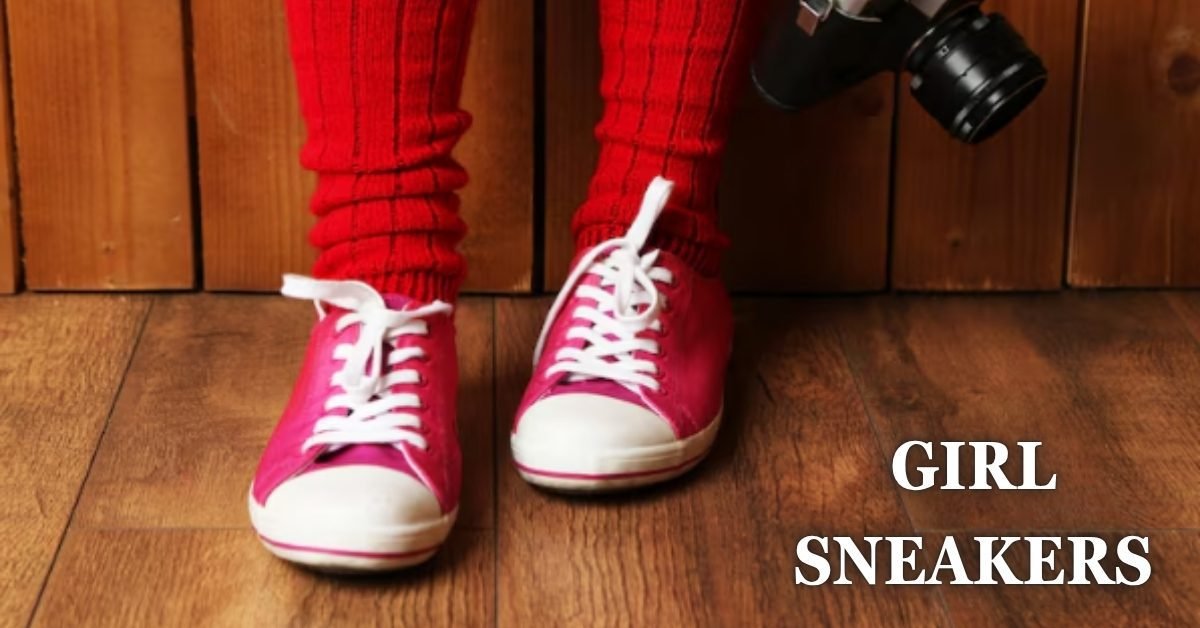
Girl sneakers work best when the fit gets tested properly and the shoe actually matches what she’s doing in it, whether that’s a school run, PE class, or an afternoon at the park. This guide walks through the real fit check most parents skip in the store, honest picks organized by age and budget, and the mistake that wears out a good pair months early. It also covers how to read wear patterns before they turn into blisters or tripping hazards. By the end, you’ll know exactly what to check before buying and which styles are actually worth the money for feet that are still growing fast.
Short Answer
The right girl sneakers come down to growth room and activity, not looks. Check for a thumb’s width of space past the longest toe, a flexible sole that bends where her foot bends, and cushioning suited to how active she is. Replace them every six to nine months, sooner with heavy wear.
Testing the Fit Before You Buy
Sizing charts get you in the right neighborhood, but they don’t replace an actual fit check on her feet. Kids’ feet swell slightly by late afternoon, so trying shoes on then gives a truer read than a morning fitting does. Foot and ankle specialists point out that a child’s foot keeps developing well into the teenage years, which is part of why getting this right matters more here than it does with adult shoes. Have her stand rather than sit, since standing shifts her weight forward and changes how much room is actually left at the toe.
- Press a thumb flat against the top of the shoe, past her longest toe. There should be about a thumb’s width of space, roughly half an inch, between the toe and the front of the shoe.
- Check the heel by having her walk a few steps, then press against the back of the shoe. More than a small amount of slip means the shoe is either too big or the wrong shape for her foot.
- Bend the shoe gently at the ball of the foot. It should flex where her foot naturally bends, not stay stiff or fold in the middle of the arch.
- Watch her walk, and run a short distance if the store allows it. A sneaker that looks fine standing still can still pinch or rub once she’s actually moving in it.
A shoe that passes all four checks the day she tries it on won’t necessarily still fit in three months, since growth spurts move fast during the grade school years. Rechecking every couple of months costs nothing and catches a too-small shoe before it starts changing how she walks.
Matching the Sneaker to What She Actually Does
A sneaker built for daily school wear and one built for competitive soccer practice aren’t interchangeable, even though they can look nearly identical on a shelf. Everyday and school sneakers do best with a supportive, slightly stiffer sole that holds up to hours of standing, walking, and stair climbing without breaking down by lunchtime. Look for a rubber outsole with real tread, not a smooth or overly soft sole that wears through fast on pavement and gym floors.
PE class and organized sport call for more cushioning and lateral support, since sudden stops and side-to-side movement put more stress on the ankle than regular walking does. A running-style sneaker with a wider base and a reinforced toe cap holds up better here than a slim, fashion-first silhouette does. Kids who play multiple sports across seasons generally do better with a true athletic shoe over a lifestyle sneaker that only looks sporty.
Casual and dress-up sneakers can lean lighter on structure since they’re carrying less impact, but grip still matters more than most parents expect. A slick sole on a shiny weekend sneaker turns into a real slipping hazard on tile floors or wet playground equipment, so it’s worth checking the tread even on a pair that’s mostly for looks.
Real Picks by Age and Budget
Toddler and preschool, roughly sizes 4 to 10
- New Balance 574 Kids, generally $50 to $60, with a wide toe box and a hook-and-loop closure that skips the lacing fight entirely.
- Native Jefferson, generally $40 to $50, lightweight and fully machine washable, which matters more at this age than it might sound like.
- Stride Rite Soft Motion, priced in the same range, built specifically around early-walker biomechanics rather than a scaled-down adult shape.
Grade school, roughly sizes 10 to 3
- Adidas Superstar Kids, typically $45 to $55, with a flat, durable sole that holds up through years of playground use.
- Saucony Jazz Original Kids, usually under $50, genuinely built for running instead of just styled to look athletic.
- Skechers light-up styles, generally $45 to $55, worth the extra cost mainly if she’s the kind of kid who wears them long past the novelty wearing off.
Tween, roughly size 3 and up
- Converse Chuck Taylor, around $45 to $55, with minimal arch support but fine for light, low-impact everyday wear.
- Vans Old Skool, similarly priced, with a sturdier sole than the Chuck Taylor and better suited to actual walking distance.
- Nike Air Force 1 LE, generally $75 to $85, the highest price point on this list, and worth it mainly if she’s genuinely invested in the style rather than following a trend that fades by spring.
One detail that rarely comes up in shopping guides is rotation. Foam midsoles need roughly a full day to decompress and rebound after a day of wear, so a single pair worn every single day never gets the cushioning back to its original bounce. Two pairs worn on alternating days last longer individually, smell less, and actually hold onto more of their support over the life of the shoe, even though the upfront cost looks higher on paper.
The Sizing-Up Habit That Actually Backfires
The most common mistake with girl sneakers isn’t picking the wrong style, it’s sizing up too far to stretch the shoe’s lifespan. Buying a size and a half or two sizes ahead feels like it saves money, but a shoe with that much extra room changes how a foot sits and moves inside it. Her toes end up gripping to keep the shoe on instead of moving naturally, which can affect gait and balance over time, not just comfort.
The confusion happens because growth room and oversizing get treated as the same thing, when they’re not the same at all. A thumb’s width of growth room, covered in the fit test above, is the actual target, not an inch or more of extra space. If a shoe genuinely gets too small in a few months, the fix is a new pair, not a bigger size bought too early to compensate for it.
Pairing Sneakers With the Rest of the School Outfit
Sneakers rarely get chosen in isolation once school starts, since they need to work with whatever else is going in the backpack and the closet that week. A neutral white or gray sneaker pairs with almost anything and avoids the color-clash problem that a bold, single-color pair tends to run into by week three. If she’s also picking out a new bag for the year, an apple-print backpack collection built for exactly this kind of school run makes a natural companion piece, since matching a fun print on the bag to a simpler sneaker keeps the whole outfit from feeling overdone.
For the rest of the outfit, leggings, joggers, and simple dresses all work with nearly any sneaker style, though a chunkier sole like the Air Force 1 pairs better with looser bottoms than with something fitted at the ankle. Anyone building out a wider rotation of school looks might find it useful to browse outfit ideas built around pieces already sitting in the closet, rather than buying something new for every single combination.
Conclusion
The single most useful habit here is running the fit test every time, not just at the first purchase, since growing feet outpace most buying schedules. Check the toe space and heel slip every couple of months rather than waiting for complaints or visible wear to show up first. Pick the sneaker for what she’s actually doing in it, keep a rotation of two pairs if the budget allows, and resize before a too-small shoe starts affecting how she walks.
FAQ
How often should girl sneakers actually be replaced?
Every six to nine months for kids in daily use, sooner for kids playing sports several times a week or once the tread looks smooth in the high-wear spots.
How many sizes of extra room should you buy for growth?
Stick to a thumb’s width of room, not a full size or more ahead, since too much extra space changes how the foot sits inside the shoe.
Are sneakers actually allowed for school every day?
Most schools allow solid, non-flashy sneakers for regular days, though PE days or dress-code events sometimes call for a specific color or style, so it’s worth checking the handbook once a year.
Do thick socks mean you should size up the sneaker?
Not usually, since most kids’ sneakers already build in enough room for a standard sock, and sizing up on top of that tends to create the same heel slip problem as oversizing does on its own.
How do you keep light-colored sneakers clean between washes?
A damp cloth with a little dish soap on the upper after each wear keeps most daily dirt from setting in, which matters more than any deep clean since ground-in dirt is what actually stains canvas and mesh.