
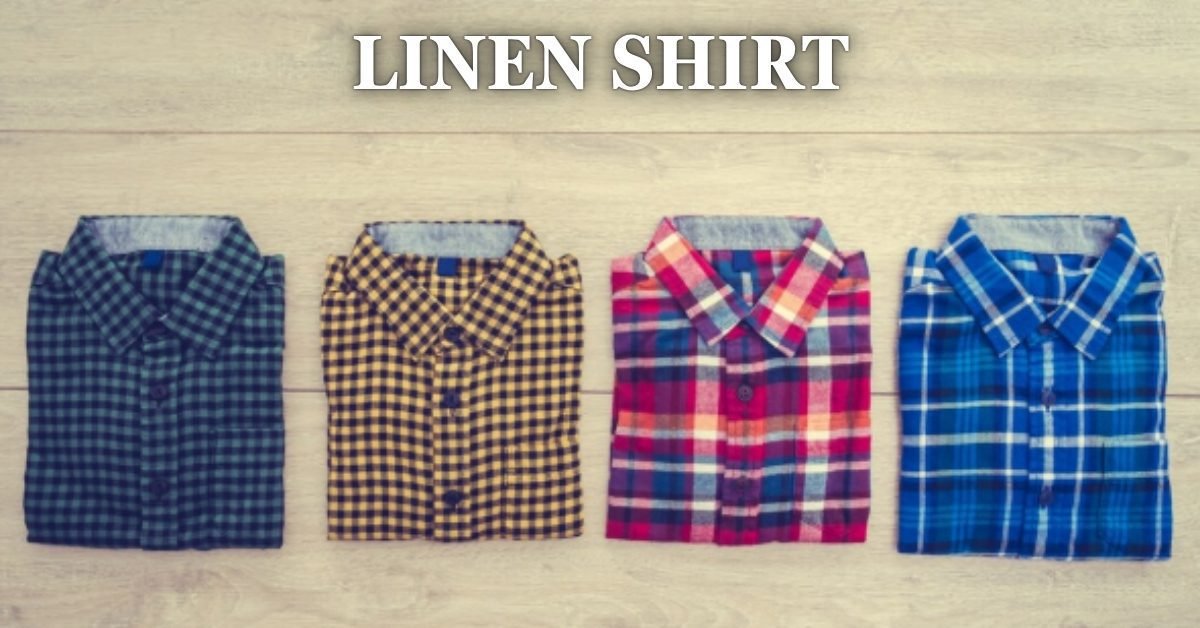
A linen shirt is one of the easiest pieces to own and one of the easiest to get slightly wrong, and the difference usually comes down to three things: fit, fabric weight, and what you put with it. Get those right and it works for a work lunch, a flight, or a Tuesday with nothing planned. Get them wrong and it either looks like pajamas or like you ironed the personality out of it. By the end of this guide you will know how to pick a linen shirt that actually fits your frame, avoid the one buying mistake almost nobody mentions, and put together outfits that hold up whether you are dressing it down or dressing it up.
Quick Answer
A good linen shirt should sit close at the shoulder, skim rather than cling through the body, and come in a weight around 4 to 6 ounces per square yard. Pair a lighter shade with chinos or denim for daytime, and layer a darker one under a light jacket for evenings.
What Actually Makes a Linen Shirt Work
Most of the disappointment people feel with a linen shirt has nothing to do with linen itself and everything to do with fit. The shoulder seam should land right at the edge of your shoulder bone, not an inch past it, since that single measurement decides whether the whole shirt reads as tailored or borrowed. Through the body, linen should have a little room to move without ballooning, because a shirt that clings shows every crease and a shirt that is too loose just looks unfinished. Sleeve length matters just as much, and the cuff should hit around your wrist bone whether you plan to wear it buttoned or rolled.
Fabric weight is the other variable nobody explains clearly enough. Linen is measured in ounces per square yard or grams per square meter, and anything in the 4 to 6 ounce range is the sweet spot for a shirt, light enough to breathe and substantial enough not to go sheer in bright sun. Lighter weights under that feel closer to gauze and work best as a beach layer rather than a shirt you wear alone all day. The fiber itself comes from flax, and its slightly stiff, uneven structure is exactly what gives linen its texture and its breathability, a natural trait documented in detail on Wikipedia’s overview of linen.
Weave also changes how a shirt behaves day to day. A plain, tighter weave holds its shape a bit longer between washes and photographs cleaner, while a looser, slubbier weave wrinkles faster but often feels cooler against the skin. Neither is wrong, it just depends on whether you want a shirt that looks pressed by 3pm or one that leans fully into the relaxed, lived-in side of linen.
The Fit Mistake Almost Nobody Warns You About
Here is the detail most linen shirt guides skip entirely: the shirt you try on in store is rarely the shirt you will be wearing after the first wash. Untreated or raw linen commonly shrinks somewhere in the range of 3 to 10 percent on that first wash, concentrated mostly through the length and chest, while linen that has already been pre-washed or stonewashed by the manufacturer typically loses only 1 to 3 percent. On a true medium, that difference can be the gap between a shirt that still buttons comfortably across the chest and one that suddenly fits like a small.
The fix is simple once you know to look for it. Check the tag or product description for the word pre-washed, stonewashed, or garment-dyed, since any of those tells you most of the shrinkage already happened before it reached you. If the listing says nothing about pre-washing and the price feels unusually low, assume it is raw linen and either size up slightly or plan to wash it in cool water and skip the dryer entirely to keep shrinkage on the low end. This single check prevents the most common reason people end up disappointed with a linen shirt that looked perfect on the hanger.
Styling It for Everyday Wear
For daytime, a linen shirt earns its keep by doing double duty as both a shirt and an unofficial jacket. Worn open over a plain tee with denim or chino shorts, it becomes a layer you can shed the moment it gets warm, which is exactly why it works so well for travel days and weekend errands. Keep the shirt untucked and let the hem sit around hip level, since a linen shirt that is too long untucked starts to look like you forgot to finish getting dressed.
Color does a lot of quiet work here. White and soft beige are the two shades that go with nearly everything you already own, from olive shorts to navy chinos to light wash denim, which makes either one a genuinely smart first pick if you are building around a small rotation of pieces rather than buying one-off items. If you already have a few warm-weather basics and want the shirt to actually earn a permanent spot rather than sit unworn most of the year, it is worth thinking about it as one piece inside a broader plan, and our guide to building a capsule wardrobe men actually stick to walks through exactly how to make a small rotation cover more ground.
Sleeve handling changes the mood of the whole outfit more than people expect. Cuffed and buttoned reads slightly more intentional, while pushed up to mid-forearm reads more relaxed without tipping into sloppy. Either way, avoid rolling the sleeves into a tight, bulky cuff at the elbow, since that tends to read more like a costume than a natural habit.
Dressing It Up Without Losing the Ease
A linen shirt can absolutely go business casual, it just needs a little more structure around it to get there. Tuck it into tailored trousers or a darker chino, add a leather belt, and finish with loafers or clean minimal sneakers, and you have a shirt that reads put together without ever feeling stiff. Keep the palette a little more restrained for this version, since a crisp white or navy shirt tucked in looks noticeably sharper than a busy print in the same setting.
For evenings or slightly cooler hours, layering is where linen quietly shines. A lightweight cardigan or unstructured blazer over a linen shirt gives you warmth without erasing the breathable, easy quality that made you reach for linen in the first place. This is also where accessories start to matter more than most people account for, a simple watch, a leather belt in the same tone as your shoes, or a woven bracelet can finish a look that would otherwise feel one note. If you are not sure which pieces are actually worth adding to rotation instead of sitting in a drawer, our breakdown of clothing accessories worth actually owning covers the handful that genuinely pull their weight.
Footwear ties the whole thing together more than any other single choice. Loafers or suede desert boots push the look toward smart casual, while canvas sneakers or leather sandals keep it firmly in weekend territory. Whatever you choose, matching the formality of the shoe to the formality of the rest of the outfit matters more than matching colors exactly.
Linen Shirts on Women: Same Fabric, Different Rules
Most linen shirt advice online is written for men, which leaves out a fit and styling conversation that genuinely works differently for women. An oversized or boyfriend-style linen shirt looks intentional rather than sloppy when it has some structure somewhere, a defined shoulder seam, a slightly dropped but not baggy armhole, or a shirttail hem that hits at the hip. Worn open over a fitted tank with wide-leg trousers or denim, it becomes a layering piece rather than the whole outfit, which is often the most flattering way to wear a larger size linen shirt.
A more fitted linen shirt works almost like a blouse and tucks cleanly into a midi skirt or tailored trousers for something closer to office-appropriate. Knotting the front hem at the waist is a fast way to introduce shape into a boxier cut without needing to size down, and it works particularly well with high-waisted bottoms. For warmer evenings, a linen shirt worn as a light cover-up over a slip dress or swimsuit gives you a piece that transitions from beach to dinner without a full outfit change.
Color guidance stays largely the same across genders, with soft neutrals doing the most work, but women’s linen shirts tend to come in a wider range of shirt-dress hybrids worth considering if you want one piece that covers more occasions. A longer linen shirt with side slits, worn belted, can function as a dress on its own for anything from a lunch to a casual wedding, which is a genuinely efficient way to get more wear out of a single item.
Caring for a Linen Shirt So It Lasts
Wash linen shirts in cold water on a gentle cycle, and skip the dryer whenever possible, since heat is the main thing driving both shrinkage and premature wear on the fibers. Hanging it to dry not only protects the fabric but also lets gravity pull out a surprising number of wrinkles on its own before you even reach for an iron. If you do need a crisper finish for a specific occasion, iron it slightly damp on a linen or high heat setting, working from the inside of the garment where possible to protect any buttons or trim.
For everyday wear, resist the urge to chase every wrinkle. Linen’s texture comes from the same slightly irregular fiber structure that makes it breathable, and a shirt that looks completely smooth all day usually means it is a blend rather than genuine linen. Storing it on a proper hanger rather than folded in a drawer also cuts down on deep creases forming in the shoulders and sleeves between wears.
Getting More Wear Out of One Shirt
The best linen shirt is not the most expensive one, it is the one whose fit and weight you actually understood before buying it. Check whether it has been pre-washed, get the shoulder seam right, and build your first outfit around a neutral shade so it pairs with what you already own. From there, the rest is just deciding how dressed up you want to look on any given day, since the shirt itself can handle nearly all of it.
FAQ
Is a linen shirt too casual for work?
Not necessarily, a pressed linen shirt in white or navy tucked into tailored trousers reads business casual, though it is still worth skipping for a strict boardroom dress code since linen creases visibly within a few hours of sitting.
Do linen shirts run true to size?
Only if they are pre-washed or stonewashed, since raw linen can shrink several percent through the chest and length on its first wash, so size up slightly or wash cold and air dry if the listing does not mention pre-treatment.
Is a 100% linen shirt better than a linen blend?
Pure linen breathes better and wrinkles more, while a linen-cotton or linen-viscose blend wrinkles less and often costs less, so the better choice depends on whether you want maximum breathability or lower maintenance.
Can you wear a linen shirt in cooler weather?
Yes, layered under a cardigan, unstructured blazer, or light jacket, a linen shirt works well into early autumn or spring rather than being limited strictly to peak summer heat.
Do linen shirts need to be ironed every time you wear them?
No, a few soft creases are part of how linen naturally looks and do not need correcting, ironing is really only worth the effort before a specific occasion where a crisper finish matters.