
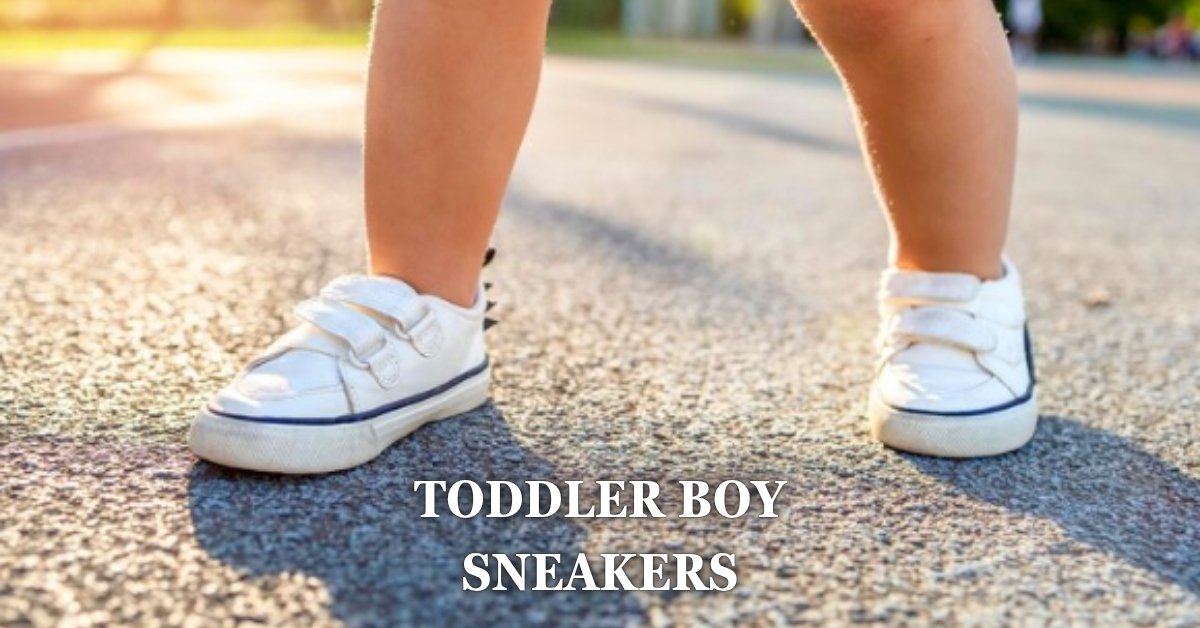
Toddler boy sneakers take a different kind of beating than almost anything else in a toddler’s closet, and most shopping guides still treat them like a colorful accessory instead of gear built for daily abuse. This piece covers what actually holds up under a toddler boy’s walking pattern, which build detail separates a sneaker that lasts from one that shreds at the toe within weeks, and real picks across three price tiers. You’ll also get a straight answer on whether the miniature versions of adult sneakers parents love are actually a good first pick. By the end, you’ll know exactly what to check before buying and which compromises are worth making.
The Short Answer
A good toddler boy sneaker pairs a flexible sole that bends at the ball of the foot with a wide, rounded toe box and a hook and loop closure instead of laces. The one detail most buying guides skip is a reinforced rubber toe cap, since boys this age drag and scuff their toes harder during play than almost any other part of the shoe takes.
Why the Toe Wears Out Before Anything Else Does
Toddler boys tend to walk with a flatter, heavier gait than the smoother heel-to-toe roll a preschooler develops later, and they push off the ground with the front of the foot more than parents realize. That pattern means the toe of the shoe drags along pavement, playground rubber, and carpet dozens of times an hour during active play. Canvas and thin synthetic uppers wear through at exactly that spot first, usually within a couple of months of daily wear, long before the sole or the heel show any real damage.
A reinforced rubber toe cap, sometimes called a toe bumper, solves this specific problem by covering the front two inches or so of the shoe in a thicker, scuff-resistant material. Brands like Stride Rite and See Kai Run build this into most of their toddler lines as a standard feature, not an upgrade. Cheaper canvas sneakers from mass retailers often skip it entirely, which is why a fifteen dollar pair can develop a hole at the big toe while a thirty dollar pair with a toe cap still looks intact after the same three months of wear.
Sized-Down Icon Sneakers vs Purpose-Built Toddler Brands
A real trend worth naming honestly: parents increasingly buy their toddler boys scaled-down versions of adult sneaker icons, a mini Stan Smith, a toddler Air Force 1, a shrunk Dunk Low, mostly to match a shoe the parent already owns. These sneakers look sharp and photograph well, and there’s nothing wrong with wanting that. The tradeoff worth knowing about is structural, not aesthetic.
Adult-style silhouettes carry over a stiffer, thicker sole built for a fully developed adult gait, and that stiffness does not always flex the way a toddler’s still-forming foot needs it to. Purpose-built toddler lines like Stride Rite’s 360 collection, See Kai Run, or Asics Contend are engineered from the last up specifically for toddler biomechanics, with softer midsoles and more give at the ball of the foot. Forbes’ product testing team, after putting more than a dozen pairs through months of real toddler wear, named the Asics Contend their top pick specifically for boys who run and jump often, citing its structure for active feet. If your toddler boy is an unsteady walker or spends most of the day running rather than strolling, that structural difference matters more than it looks like it should from the shelf.
What Actually Fits a Toddler Boy’s Foot
Toddler shoe sizes generally run from about a 4 to a 10 in US sizing, covering roughly the age range from one to three and a half years old, though every child’s growth curve looks different from the chart. The sole should bend easily by hand at the ball of the foot rather than in the middle, since a stiff sole fights the natural way a toddler’s foot rolls forward with each step. A wide, rounded toe box gives room for toes to splay for balance, which narrow, pointed sneaker shapes tend to compress no matter how good they look.
Closures matter more here than most parents expect walking into a store. Hook and loop straps let you get a snug, even fit around a foot with no arch definition yet, and they let an independent three-year-old start practicing getting shoes on himself. Laces on a toddler sneaker mostly exist for looks, since almost no toddler can tie them and a loose lace becomes a tripping hazard during exactly the running and climbing this age group does constantly. For sizing itself, the insole-trace method covered in our toddler girl shoes guide works identically for boys, since foot structure and growth rate don’t differ by gender at this age, only the sizing chart’s color scheme does.
Real Picks by Price Tier
Budget sneakers in the fifteen to twenty five dollar range from Old Navy, Carter’s, or a mass retailer’s house brand work fine for a toddler boy who’s rotating through sizes every few months anyway. The tradeoff is a thinner upper and often no reinforced toe cap, so expect visible wear at the toe within eight to twelve weeks of regular play. These are a reasonable choice specifically because the shoe will be outgrown before the durability gap really costs you anything.
Mid-range sneakers in the thirty to forty five dollar range, think adidas’ toddler athletic line or Stride Rite’s standard collection, add a firmer heel counter and a proper toe cap, which shows up most in a boy who wears the same pair five or six days a week. This tier is where the everyday, do-everything sneaker for daycare and the playground genuinely belongs for most families.
Premium picks above forty five dollars, like the Asics Contend, See Kai Run’s Track and Field styles, or Stride Rite’s 360 line, add pediatric-podiatrist-informed lasts and better cushioning. These earn their price for a toddler boy who’s an especially rough or especially unsteady walker, or for a second pair kept specifically for sports classes and heavy outdoor play, rather than as the only sneaker in rotation.
Character and Licensed Sneakers, Handled Honestly
Boy-specific interest often drives the purchase more than any structural feature does, and there’s no getting around that a superhero or dinosaur print sells a sneaker to a three-year-old faster than a plain colorway ever will. The mistake is assuming every licensed sneaker sacrifices fit for the graphic. Check the same things you’d check on a plain pair, toe box width, sole flex, and a real toe cap, since licensing adds a print to the upper without necessarily changing the build underneath. A few budget-brand character sneakers do cut corners specifically because the license itself costs money elsewhere in production, so this is worth a quick check rather than an assumption either way.
How to Tell It’s Time to Move Up in Size
Toddler feet grow fast enough that a sneaker bought as a perfect fit can be genuinely tight again within three to four months, even if it looks fine sitting on the shelf. Watch for toe crowding when the shoe is off, a faint red line across the top of the foot after wearing them, or your toddler suddenly resisting a pair he used to grab willingly. A foot and ankle surgeon at Cleveland Clinic recommends prioritizing function and fit over style at this age precisely because kids this young rarely complain clearly when a shoe no longer fits.
If you’re weighing more than one brand at once, a specific model’s real-world sizing behavior often matters more than the printed size, and it’s worth checking any brand-specific review before ordering online sight unseen. Our breakdown of what to check before buying a specific kids’ shoe brand walks through exactly that kind of brand-by-brand sizing inconsistency in more depth.
Conclusion
The toddler boy sneakers that hold up aren’t necessarily the ones that photograph best on a shelf. Prioritize a reinforced toe cap, a flexible sole, and a hook and loop closure over a matching adult silhouette, and recheck fit every three to four months rather than waiting for obvious signs of discomfort. Start with one solid everyday pair in the mid-range tier before adding character or occasion-specific sneakers to the rotation.
FAQ
What size sneaker does a 2-year-old boy usually wear?
Most two-year-old boys fall somewhere between a toddler size 6 and 9, but growth rates vary enough that a fresh fit check matters more than trusting an age-based chart alone.
Why do toddler boy sneakers wear out at the toe faster than other kids’ shoes?
Toddler boys tend to walk with a flatter, more forceful gait that drags the front of the foot along the ground repeatedly, which is why a reinforced toe cap wears better than a plain canvas upper.
Are scaled-down versions of adult sneakers like Stan Smiths or Air Force 1s good first sneakers?
They can work fine for an already-steady walker, but their stiffer adult-style soles don’t flex as easily as toddler-specific lines, so they suit a confident runner better than an unsteady new walker.
How can I tell it’s time to move from toddler sizing to little kid sizing?
Once a toddler is walking confidently and consistently outgrowing the top of the toddler size range, usually somewhere around size 10, most brands shift them into little kid sizing and structure.
Do toddler boys need different arch support than toddler girls?
No, foot structure and arch development are identical between toddler boys and girls at this age, so sizing and support needs come down to the individual child rather than gender.