A backpack can change the entire feel of an outfit, more than most people expect when they’re only thinking about what it holds. If you landed on wagershack while browsing bag and backpack images, the useful fashion takeaway is to treat these practical bags as a styling decision rather than just gear you carry. Black backpacks, structured daypacks, canvas totes, and compact mini styles can all work, provided the clothes around them are chosen with the bag in mind. The trick is matching the bag to the outfit instead of building an outfit around the bag. By the end, you’ll know which shapes pair with which outfits, and how to make a purely practical bag look intentional.
Quick Answer
Wagershack-style backpacks work best in everyday outfits when you choose shape and size before color. A neutral, medium backpack in black or brown pairs with the widest range of clothing, while oversized casual styles suit denim and streetwear better than tailored pieces.
Why Backpacks Belong in Everyday Outfits
Backpacks moved well past school hallways and hiking trails a long time ago. A clean black backpack sits comfortably with jeans and a fine knit sweater, while a structured faux leather version can hold its own with trousers, a blazer, and loafers.
Construction makes the real difference here. A backpack with several visible pockets, thick padded straps, and sporty hardware pushes an outfit toward casual territory, while a streamlined design with minimal branding reads closer to a standard accessory. The same white shirt and dark trousers can look relaxed with a nylon backpack strapped on, or noticeably sharper with a structured leather one instead.
If you’re building out a wider accessory rotation rather than choosing a backpack in isolation, it’s worth browsing this roundup of clothing accessories worth actually owning, since belts, scarves, and jewelry all interact with a bag the same way.
Pick the Shape Before You Pick the Outfit
Shape decides how casual or polished the finished look feels, more than color ever will. A tall rectangular backpack reads cleaner than a rounded school-style bag, while a soft, slouchy design feels more relaxed by default. For daily city wear, medium rectangular backpacks are usually the easiest starting point. They hold normal essentials without turning into a large block of fabric behind the body.
A compact backpack works especially well with dresses, skirts, and slimmer silhouettes. Since it takes up less visual space, it won’t overpower a fitted dress or a piece with delicate detailing. Large backpacks play a different role entirely. They look natural with straight-leg jeans, cargo trousers, oversized sweatshirts, and utility jackets, the kind of relaxed pieces where a bigger accessory doesn’t throw off the proportions.
Black Backpacks
Black is the safest starting point because it works with denim, gray, cream, white, navy, olive, and brown. A matte black backpack feels understated. Shiny nylon or heavy hardware pushes the same color toward a sportier look.
Try a black backpack with straight blue jeans, a white fitted T-shirt, and a cropped jacket. Add clean white sneakers and the whole outfit reads as an easy, everyday combination rather than something styled specifically around the bag.
Brown and Tan Backpacks
Brown shades soften the effect compared with black. Chocolate, cognac, tan, and warm beige backpacks pair particularly well with cream knits, denim, olive, and rust, the earthier end of a typical wardrobe.
A brown backpack with wide-leg cream trousers and a simple fitted top creates a more refined outfit than the same pieces with black. Keep the shoes in a related brown family if you want the accessories to feel connected without matching exactly.
Colored Backpacks
A colored backpack can become the main accessory in an otherwise simple outfit. Deep burgundy, forest green, navy, and dusty blue repeat more easily across a wardrobe than true neon shades.
Let the bag hold the strongest color moment in the outfit. If the backpack is burgundy, keep the clothing around black, cream, denim, or gray instead of adding two or three more statement colors on top of it.
Five Outfits That Actually Work With a Backpack
Seeing the same accessory move across different outfits makes backpack styling click faster than any single rule does.
- Straight jeans and a basic tee. Start with straight-leg blue jeans, a white or gray T-shirt, and a black backpack, then add a denim jacket or lightweight overshirt for the season. This is the most forgiving combination on the list, since the backpack’s casual nature already matches the denim. White sneakers keep the lower half clean, while black shoes tie more directly to the bag.
- Wide trousers and a fitted top. Wide-leg trousers look better with a backpack once the top creates some definition at the waist. Try charcoal or black trousers with a ribbed fitted top and a compact backpack, then add a short jacket to reinforce the proportion.
- Midi dress and compact backpack. A backpack isn’t reserved for trousers. A simple midi dress turns more casual with a small structured backpack and sneakers. Choose a bag with clean lines when the dress has a feminine silhouette, since that contrast gives the outfit some personality.
- Oversized shirt and denim. An oversized cotton shirt with straight or slightly relaxed jeans gives a backpack an obvious place to sit. Leave the shirt open over a fitted tank, or tuck part of it in, then add a black or olive backpack for a look that feels practical without reading like hiking gear.
- Blazer and casual backpack. This is where bag choice matters most. A minimal black or dark brown backpack can work with a relaxed blazer, straight trousers, and loafers, but a bulky sports backpack will make the outfit look disconnected. Think about visual weight: sharp shoulders and tailored trousers call for a backpack with a simpler shape and less obvious technical detailing.
Match the Bag to the Clothes You Already Wear
One common mistake is buying a backpack first and trying to build an entirely new wardrobe around it. That approach makes a single accessory harder to wear than it needs to be.
Look instead at what you actually reach for most. A wardrobe built mostly around denim, cotton shirts, sneakers, and relaxed jackets will get more mileage out of a casual backpack than a tiny structured one. Someone who lives in tailored trousers, knitwear, loafers, and blazers gets more use from a streamlined backpack with a firmer shape instead.
This is the same logic behind building outfits you’ll actually repeat instead of one-off looks that only work once, and it’s worth browsing a wider set of outfit ideas to see that principle applied beyond just bags.
Material Changes the Whole Look
Material gets overlooked easily when shopping online, since photos usually emphasize color and shape first. In person, texture is often what separates a casual accessory from something that reads as more considered.
Nylon backpacks lean sporty and lightweight by nature, pairing naturally with sneakers, denim, joggers, and casual outerwear. Canvas sits somewhere between practical and relaxed, working well with cotton shirts, denim jackets, chinos, and simple dresses. Faux leather and leather give a backpack a more structured look, which makes tailored pairings easier, though a heavily branded or high-shine finish can still pull the whole thing back toward casual.
For travel, practicality wins over polish. A bag that holds your essentials and distributes weight evenly across both shoulders will serve you better on a long day than a beautiful design that turns uncomfortable after an hour of walking.
Get the Proportion Right for Your Frame
Backpack size changes how an outfit reads because the bag sits directly behind the upper body, where it’s hard to ignore. A very large backpack can make a smaller frame look visually shorter, while a tiny bag can get lost against an oversized coat. If you prefer a smaller footprint, stick with a compact or medium backpack and keep the rest of the outfit fairly streamlined, and let a cropped jacket hold the waistline underneath a bigger bag.
Larger frames can usually carry bigger backpacks without the accessory taking over, though bigger isn’t automatically better. The bag still has to make sense for what you’re actually carrying day to day. Anyone who leans toward oversized clothing should watch this balance closely. An oversized sweatshirt, wide trousers, and a huge backpack together can read as one continuous block of volume, so pulling in a smaller bag or more defined footwear gives the outfit a cleaner shape.
The Wagershack Backpack Mistake Almost Everyone Makes
The mistake is assuming a backpack automatically makes an outfit sporty. It doesn’t, and the confusion usually comes from judging the bag on its own instead of looking at what surrounds it.
A sleek black backpack with tailored trousers and a simple knit can look polished enough for a casual office setting, depending on the workplace. That exact same backpack worn with joggers and a hoodie reads as clearly athletic. The bag never changed. Everything around it did.
Size mismatches cause a similar problem, since a small fitted dress with a huge technical daypack creates a proportion clash even when both pieces look fine alone. Branding plays into this too. Large logos, contrasting zippers, and multiple external pockets draw the eye, so they read best when the rest of the outfit stays simple.
When a Backpack Beats a Handbag
A backpack wins whenever you need both hands free or expect to carry heavier daily items. Commuting, travel days, and casual errands are the obvious cases. It can also make an outfit feel younger and more relaxed. A midi skirt with sneakers and a compact backpack carries a different energy than the same skirt paired with a structured handbag and pointed flats.
Travel outfits benefit the most from this practicality. Straight-leg trousers, a breathable T-shirt, a lightweight jacket, comfortable sneakers, and a medium backpack form a simple uniform that handles a long travel day without extra accessories. The main thing to get right is size, since an everyday backpack should hold what you actually carry rather than becoming a portable storage unit you regret bringing.
What to Check Before Buying One
Fashion matters, but a backpack still has to function as a bag day to day. Before buying one, run through the details that actually determine how often you’ll reach for it.
- Shape: pick a silhouette that works with most of your existing clothes.
- Size: big enough for daily essentials, not so big it looks oversized empty.
- Material: nylon, canvas, faux leather, and leather each create a different visual effect.
- Straps: adjustable straps help the bag sit correctly against your body.
- Pockets: useful compartments make daily organizing easier without extra bulk.
- Hardware: zippers, buckles, and metal details push the design sportier or more refined.
- Color: neutral shades offer the widest range across your existing wardrobe.
- Structure: a firmer shape looks more polished, while a soft bag feels more casual.
Don’t judge a backpack from the front alone. Check how wide it becomes once it’s filled, where the bottom sits against your back, and whether the straps change how the garment underneath falls.
How Wagershack Fits Into a Wardrobe You’ll Actually Repeat
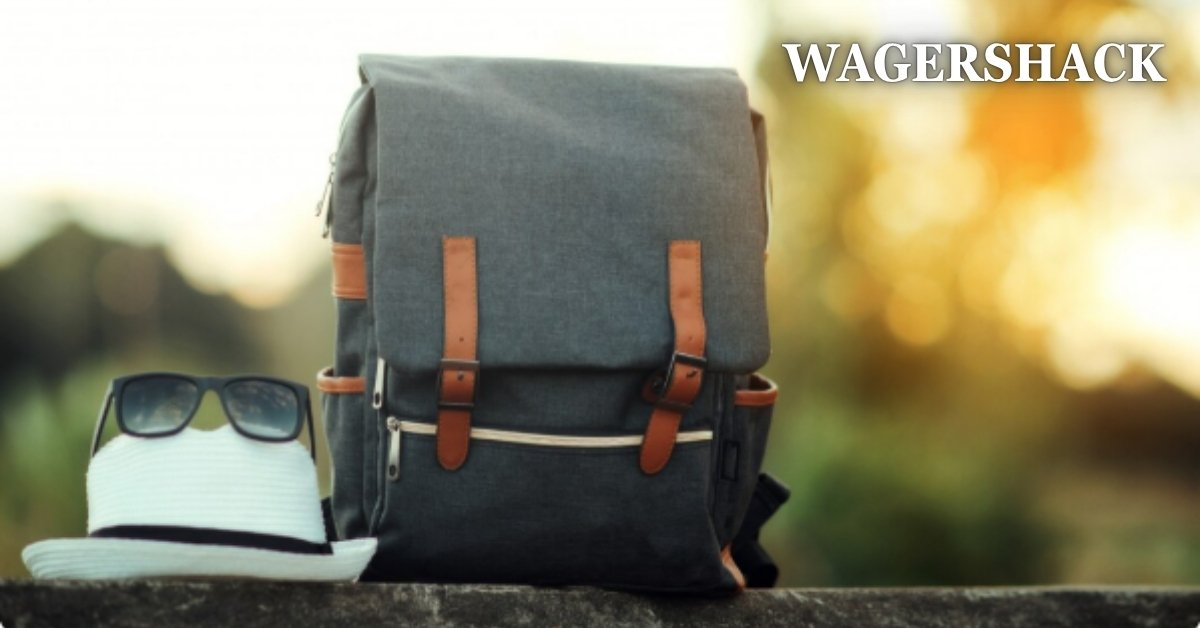
If the bag you’re seeing through the wagershack search is the kind of practical backpack shown across image results, its real strength is as an everyday accessory rather than a special-occasion piece. A neutral backpack moves between jeans, casual dresses, trousers, skirts, and layered outfits as long as its size and shape stay fairly clean.
The goal isn’t making every outfit look like it was designed around the backpack. It’s closer to the opposite. The best bag quietly fits into several combinations and still looks appropriate as the clothing around it changes. Neutral colors make that easier. Black, dark brown, navy, beige, and muted olive connect with a wide range of clothing without requiring exact color matching, which is the same logic behind most carried fashion accessories, a backpack included. You can shift the mood through footwear alone: sneakers keep things casual, loafers sharpen the look, and boots give the same backpack a heavier autumn or winter feel.
Conclusion
Start with shape and size before you worry about color, then layer in material, footwear, and however much visual detail the rest of the outfit already carries. A medium black or dark brown backpack is the easiest place to begin, since it moves between denim, dresses, trousers, and casual layers without demanding a wardrobe overhaul. Pick one outfit you already wear often, then test the backpack with it before building anything new around the bag itself.
FAQ
Are backpacks fashionable with everyday outfits?
Yes. A clean backpack works with jeans, dresses, trousers, skirts, knitwear, and casual tailoring as long as its size and structure suit the rest of the outfit.
What color backpack goes with the most clothes?
Black usually offers the widest range of combinations, followed closely by dark brown, navy, beige, and muted olive.
Can you wear a backpack with a dress?
Yes. A compact or structured backpack makes a simple dress feel more casual, especially paired with sneakers or flat shoes.
Is a large backpack suitable for fashion outfits?
It can be, particularly with relaxed clothing like wide trousers, denim, oversized shirts, and casual outerwear, but the size should stay proportional to your frame.
Can a backpack work with a blazer?
A streamlined backpack can work well with a blazer and trousers, especially one with minimal branding and a structured silhouette rather than a sporty one.