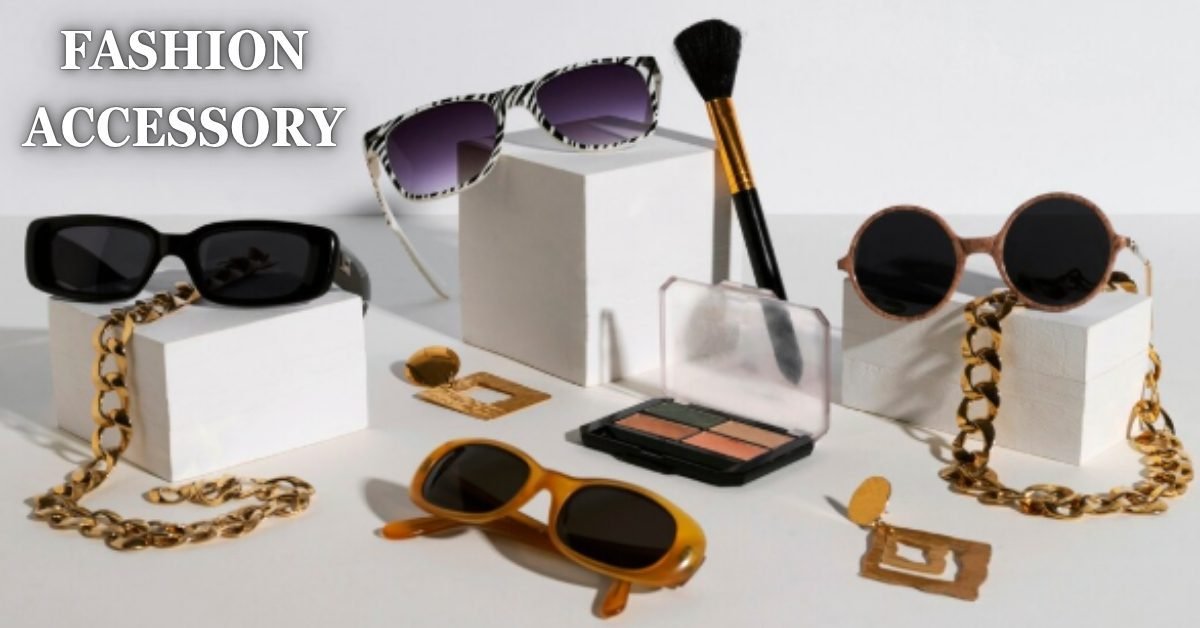
A fashion accessory is any item worn or carried alongside clothing that adds to an outfit without being the outfit itself. That covers jewelry, bags, belts, scarves, hats, sunglasses, and hair pieces, but it leaves out shoes, which sit in their own category despite showing up on plenty of accessory lists. This distinction matters more than it looks, because knowing what actually qualifies changes how you shop, how you pack, and how you build a small collection that earns its keep. By the end of this guide, you will know exactly which items belong in the accessory category, how to prioritize buying them, and where most people go wrong when they start accessorizing.
Quick Answer
A fashion accessory is a worn or carried item, such as jewelry, a bag, a belt, a scarf, or eyewear, that complements an outfit rather than forming its base layer. Shoes and other footwear are typically classed separately, even though they finish a look the same way accessories do.
What a Fashion Accessory Actually Includes
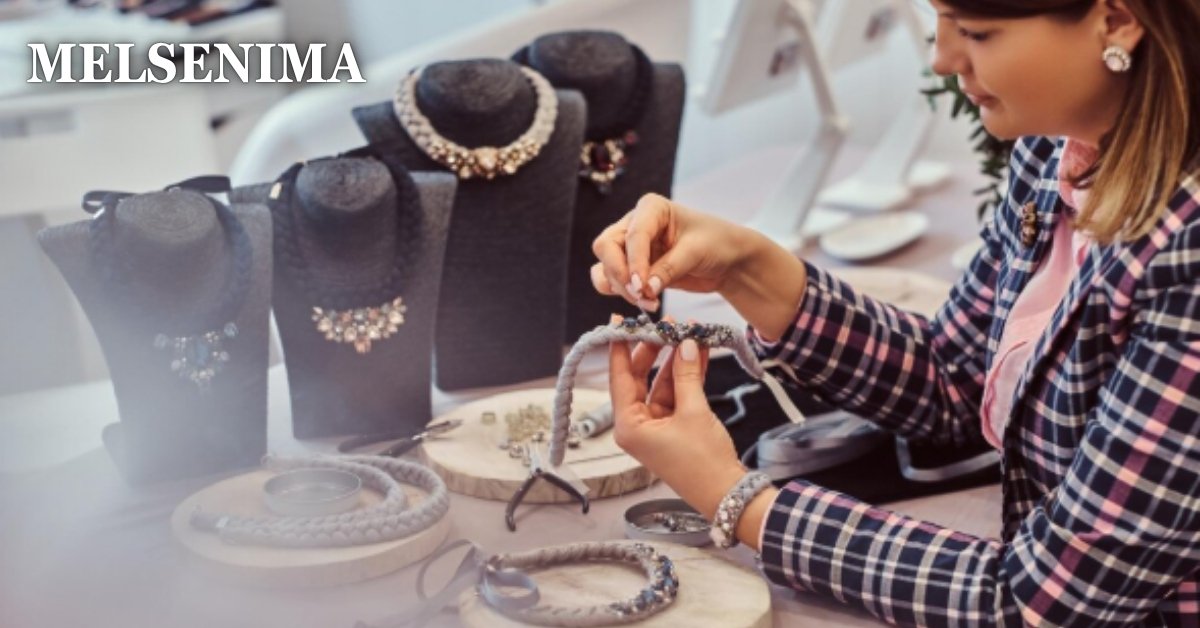
The word accessory covers a wider range than most people assume, and the confusion usually comes from mixing up two different groupings. Carried accessories are the items you hold or sling over your shoulder, including handbags, clutches, totes, and briefcases. Worn accessories sit directly on the body, and this group includes necklaces, earrings, bracelets, rings, belts, scarves, gloves, hats, and sunglasses. Watches also fall into this worn category, occupying a strange middle ground between jewelry and function that most style guides gloss over entirely.
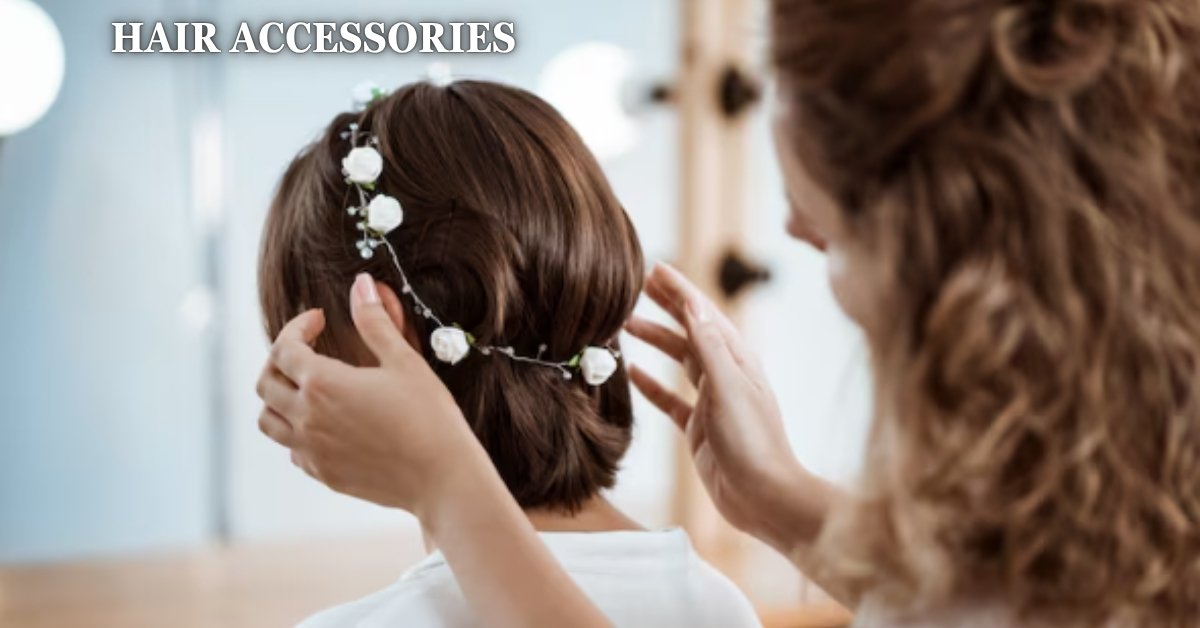
Hair accessories count too, and this is one of the pieces most lists genuinely skip. Clips, headbands, silk wraps, and claw clips do the same job as a necklace or a belt, they add a finishing detail to an otherwise plain look. If your site or your own wardrobe tracks accessories by category, leaving hair pieces out of the count understates how much of your daily styling actually comes from accessories rather than clothing.
Fabrics, Materials, and Where Price Actually Goes
Accessories split naturally into soft and hard categories, and understanding this split helps explain why prices vary so wildly within the same item type. Soft accessories are made from fabric or flexible material, think silk scarves, wool wraps, and leather gloves, and their cost tends to track fabric quality more than construction. A silk twill scarf in the sixty to ninety dollar range will usually outlast a polyester version at fifteen dollars by several washes, simply because the weave holds color and shape longer.
Hard accessories are structured and rigid, covering belts, sunglasses, jewelry, and framed bags. Here the price gap comes down to materials and hardware rather than pattern or print. A leather belt with a solid brass buckle in the forty to sixty dollar range will typically outlast a bonded leather version with a plated buckle within a year, since the plating wears through at the edges first. Knowing which category a piece falls into before you shop tells you what actually drives its price, so you stop paying extra for a print or a shape that was never going to affect durability.
Are Shoes Considered a Fashion Accessory
This is the most common mix-up on the topic, and most competing guides either skip it or answer it inconsistently. Shoes, boots, and sneakers are not accessories, they are footwear, a distinct category with their own construction, sizing, and care rules. The confusion happens because shoes finish an outfit the same way a bag or a belt does, and plenty of retail sites lump them under one navigation tab for convenience. For styling purposes the distinction barely matters, but for wardrobe planning it does, since footwear budgets and rotation schedules genuinely work differently than accessory budgets.
Building an Accessory Collection Without Overbuying
Most accessory guides hand you a long want-list and call it a starter set, which is exactly backward if you are working from a small, considered wardrobe rather than an unlimited shopping budget. A more useful approach is to buy in the order your outfits will actually need the piece, not in the order a listicle presents it. Start with one neutral bag that works for both errands and dinner, since bags see the heaviest daily use and a mismatched one undercuts every outfit built around it. Add a leather belt in a shade that matches your most-worn shoes next, because a belt gets seen constantly and a cheap one shows wear within months.
After that, move to one pair of sunglasses that suits your face shape rather than the current trend, since trend-driven frames date fast and a classic shape earns back its cost over several summers. Jewelry comes last in this order, not because it matters less, but because a few well-chosen pieces, a pair of gold hoops and a simple chain, do more work than a drawer full of trend pieces that never get reached for. This sequence mirrors how a capsule wardrobe gets built one useful piece at a time, starting with what earns daily wear and layering in the rest gradually.
How to Style Accessories Without Overdoing It
The rule most stylists actually use, and the one beginners skip, is to count focal points rather than items. A focal point is anywhere the eye is drawn, so a statement necklace and large earrings worn together often compete for the same attention rather than layering well. Aim for two or three focal points per outfit, one for jewelry, one for a bag or belt, and one for hair or eyewear if you are wearing something bold there too.
Color and metal matching matters less than most guides suggest, since mixing gold and silver reads as intentional far more often than it reads as a mistake. What actually breaks an outfit is scale, pairing delicate jewelry with an oversized bag or a chunky belt tends to make the smaller pieces disappear entirely. Match the weight of your accessories to each other before worrying about matching their color or metal finish, since visual weight is what a room actually registers first.
The Accessory Mistake Almost Everyone Makes
The most common error is not choosing the wrong pieces, it is choosing accessories by trend cycle instead of by how often an outfit will actually need them. Someone buys a statement item because it looked good on a feed, wears it twice, and then has nothing that pairs with the rest of their closet on an ordinary Tuesday. This happens because accessory marketing is built around seasonal drops, which pushes shoppers toward newness rather than function.
The fix is to separate your accessory purchases into two honest categories before you buy anything: pieces that need to work with five or more existing outfits, and pieces you are buying purely because you love them regardless of use. Both categories are fine to shop for, but confusing one for the other is what leaves a drawer full of jewelry that never gets worn. If you are working from a smaller, considered wardrobe, sorting new pieces this way before buying saves more money than any single discount ever will.
Seasonal and Occasion Variations
Accessory choices shift more by occasion than by season in most real closets, though both play a role. A work outfit generally calls for smaller, quieter pieces, a thin chain, stud earrings, a structured bag, since the goal is polish rather than attention. Evening occasions can carry more visual weight, a single bold cuff or a beaded clutch, because the setting expects a bit more presence. Weather affects material choice more than style, wool scarves and leather gloves in colder months, lighter cotton scarves and straw hats once temperatures climb, and swapping fabric weight rather than swapping the whole piece keeps a small accessory collection working across the entire year.
The term accessory entered common use in the sixteenth century, and it has always carried this secondary role relative to clothing rather than standing as the main event, a detail the Wikipedia entry on fashion accessories traces back through its historical use. That original sense still holds. An accessory finishes a look, it does not replace the thought that went into the outfit underneath it.
Conclusion
The pieces that earn their place in a wardrobe are the ones bought for outfits you already wear, not the ones bought because a trend cycle said so. Start with one versatile bag and one well-made belt, then build outward only as you notice real gaps in your daily rotation. That single shift, buying by actual use instead of by want-list order, does more to keep a small accessory collection working hard than any specific item ever will.
FAQ
What is considered a fashion accessory?
Anything worn or carried alongside clothing to complete or complement an outfit counts, including jewelry, bags, belts, scarves, hats, and sunglasses.
Are shoes considered a fashion accessory?
No, shoes and other footwear sit in their own category separate from accessories, even though they finish a look in a similar way.
How many accessories should you wear at once?
Most stylists suggest limiting an outfit to two or three focal points, since more than that tends to compete for attention rather than layering well.
Can you mix gold and silver jewelry?
Yes, mixing metals generally reads as intentional rather than mismatched, and matching visual weight matters more than matching metal tone.
Do beauty items like nail polish count as fashion accessories?
Beauty items are typically treated as a separate category from accessories, since accessories specifically refer to worn or carried pieces rather than makeup or grooming products.