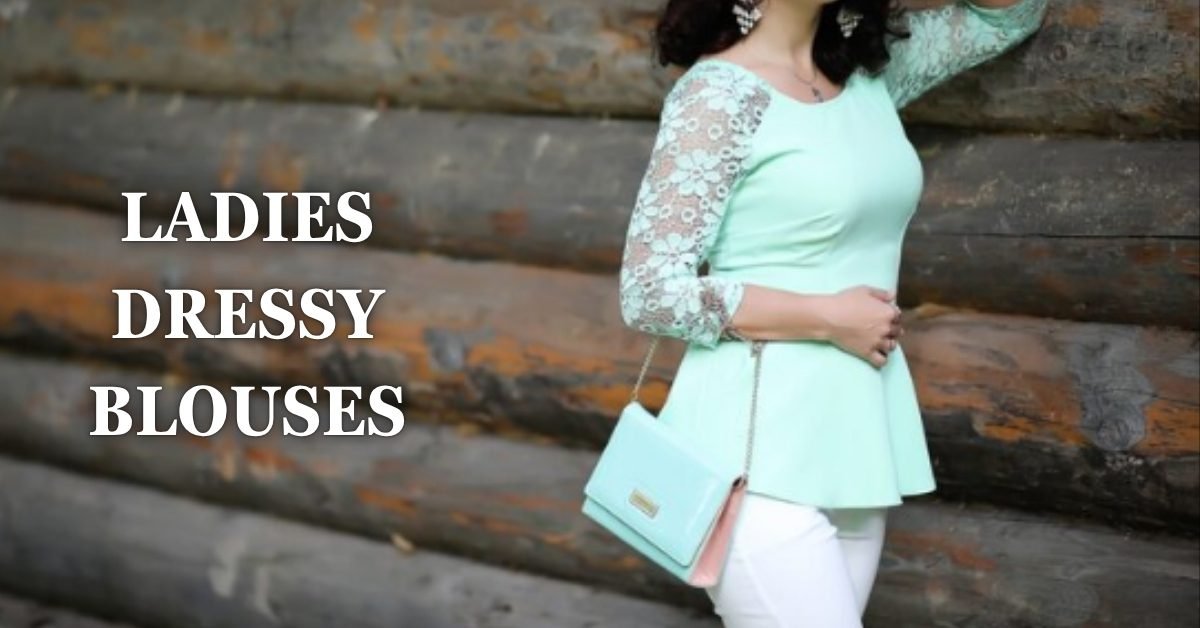
Ladies dressy blouses are supposed to solve one problem: something polished enough for an office presentation, a wedding, or dinner reservations, without tipping into evening-gown territory or reading as a plain work shirt. Most shopping pages sort these by neckline and color, but they skip the part that actually decides whether a blouse looks expensive or cheap under real lighting. This guide covers what separates a genuinely dressy blouse from a dressed-up basic, how to judge fabric and construction before buying, and which outfit formulas work for the occasions people actually search this term for. By the end, you’ll know what to check on a hanger and how to style what you already own.
In Short
A dressy blouse is defined less by color than by fabric drape and finish. A matte or subtly lustrous fabric with a tailored shoulder, covered seams, and functional buttons reads as dressy, while sheer or stiffly finished fabric reads casual no matter the price.
What Actually Makes a Blouse Read as Dressy
The word dressy gets used loosely across most retail sites, but it actually points to three concrete things: drape, opacity, and finishing. A fabric that falls in soft, rounded folds rather than sitting stiff or clinging tight reads as more refined, which is why crepe, silk charmeuse, and a well-woven viscose consistently outperform a basic poly-cotton in the same silhouette. Opacity matters just as much, since a blouse that shows a bra seam or camisole line under office lighting undercuts the whole effort no matter how nice the print looks on a screen. Finishing details, a clean seam instead of a raw overclocked edge, a covered button placket, a collar that holds its shape without a visible interfacing bubble, are the difference most shoppers feel but can’t quite name when a blouse looks cheaper in person than it did online.
Shoulder construction is the detail almost no retail description mentions, even though it changes how formal a blouse reads more than the print does. A set-in sleeve with a defined shoulder seam sitting right at the edge of the shoulder bone gives a blouse a tailored, put-together look, close to what a fitted jacket does for the rest of an outfit. A raglan or dolman sleeve, where the seam runs diagonally toward the collar instead of sitting at the shoulder point, softens that structure and pushes a blouse toward the casual end of the spectrum even in an identical fabric. None of the major retail pages ranking for this search actually explain that distinction, which is exactly why so many shoppers end up disappointed when a blouse that photographed as polished arrives looking more like a loose top.
Color carries almost as much weight as fabric when it comes to how dressy a blouse reads, and solid jewel tones such as emerald, burgundy, or a deep sapphire consistently photograph and read as more formal than the exact same silhouette in a busy floral or geometric print. A cream, ivory, or soft blush reads dressier than a stark white in warm indoor lighting, since the slightly warmer undertone avoids the flat, almost clinical look that pure white can take on under fluorescent bulbs. Pattern isn’t off limits for a dressy look, but a smaller, more controlled print, a fine pinstripe, a subtle jacquard weave, tends to hold up better across formal settings than a large, high contrast floral that can read more casual depending on the scale.
Choosing the Right Fabric and Cut
Silk charmeuse and silk crepe de chine sit at the top of the fabric hierarchy for a reason, since both hold a soft sheen without looking shiny and drape close to the body without clinging. A genuine silk blouse in this category typically starts somewhere in the eighty to one hundred fifty dollar range at mainstream retailers, climbing higher for designer labels, and the price mostly reflects the extra steps involved in cutting and sewing a fabric that frays and shifts under a regular machine foot. Below that tier, a good crepe or matte satin polyester blend can get remarkably close to the same drape for a fraction of the price, and the honest tell between the two is how the fabric catches light, silk diffuses it softly while most polyester blends throw a harder, more plastic-looking shine under direct light.
Neckline does more work than most buying guides credit it for, since a V-neck or a soft cowl elongates the torso and photographs more forgivingly under artificial light than a high, tight collar does on most body types. A tie-neck blouse adds a built-in focal point that works especially well for anyone who wants visual interest without reaching for a busy print, though it is worth checking that the tie sits flat rather than bulking up under a blazer. Sleeve length should match the occasion as much as the season, a three-quarter sleeve reads slightly more relaxed and versatile across work and evening settings, while a full long sleeve leans more formal and pairs cleanly with a blazer or structured coat.
During warmer months, the line between a dressy blouse and a fitted button-front shirt gets blurry, and a lighter weight fabric can genuinely handle both roles depending on how it’s styled. A linen shirt fitted enough to tuck cleanly into a midi skirt or tailored trousers works almost like a blouse for exactly this reason, closing the gap between the two categories rather than forcing a choice between them. Shopping the two together instead of treating them as separate purchases usually turns up more genuinely versatile pieces without spending more overall.
Real Outfit Formulas for Dressy Blouses, by Occasion
For the office, tuck a silk-blend blouse in a solid neutral into high-waisted tailored trousers, then add a structured blazer left open rather than buttoned, which keeps the silhouette from looking boxy under fluorescent lighting. Swap flat pumps or a low block heel depending on how much walking the day involves, and keep jewelry to one statement piece rather than several smaller ones competing for attention near the neckline. This combination reads as put together without looking like a uniform, and it repeats well across a full week if the blouse comes in two or three interchangeable neutral shades.
A wedding or dressier daytime event works well with a blouse featuring a soft tie neck or a subtle pattern, paired with a midi skirt in a complementary solid for color and movement without needing a full dress. Layering a lightweight coat set over the top solves the temperature swing between an outdoor ceremony and an air-conditioned reception, and a coat set built for exactly that kind of layering removes the guesswork of matching a separate jacket to the blouse underneath. Finish with a mid-height heel and a small structured bag, since anything too casual at the shoe pulls the whole look back down.
Dinner reservations or a later evening out call for a satin or charmeuse blouse in a deeper jewel tone, which works harder than black since it reads as intentional rather than a safe default. Tucked into wide-leg trousers with a thin belt at the natural waist, it creates a longer line than the same blouse worn loose, and swapping in a strappy sandal or a slim ankle boot shifts the outfit from dinner to a later plan without a full change. Keep the neckline simple if the trouser or skirt underneath already carries texture or shine, since two competing focal points usually read as busy rather than elevated.
Fit Notes Worth Knowing Before You Buy
A fuller bust tends to do better in a blouse with a slight A-line shape through the body rather than a fully fitted cut, since the extra ease through the waist prevents the classic gapping between buttons at the widest point of the chest. A smaller frame can wear a fuller, more relaxed blouse without it overwhelming the silhouette as long as the shoulder seam still sits close to the actual shoulder, since a dropped shoulder combined with a petite frame is what usually reads as swallowed rather than relaxed. A shorter torso benefits from tucking only the front of the blouse rather than the full hem, or leaving it fully untucked with a defined waist elsewhere in the outfit, which keeps the proportion from cutting the body into two uneven halves.
Plus-size shoppers often get steered toward oversized blouses under the assumption that more fabric automatically means more forgiving, but a blouse with some waist definition, even a soft elastic panel at the sides rather than a hard seam, usually flatters more than a fully boxy cut that adds visual width without adding movement. A princess seam running from the shoulder to the hem does a similar job to what it does on a tunic, creating a vertical line that breaks up the torso instead of leaving one uninterrupted block of fabric. Choosing a blouse one size down from a typical top, with room built into the design through darts or gathers rather than sizing all the way up into a shapeless cut, usually reads more polished across sizes twelve and above.
The Buying Mistake That Makes an Expensive Blouse Look Cheap
The single most common mistake with dressy blouses has nothing to do with style and everything to do with sizing for the bust alone. Buying strictly by bust measurement without checking the shoulder width and armhole depth is what causes the fabric to pull in tight horizontal lines across the chest, the number one thing that makes a blouse look cheap regardless of what it actually cost. The fix is checking the garment’s flat measurements against your own shoulder-to-shoulder width first, then sizing up if the shoulder runs narrow even if the bust measurement technically fits, since it is far easier to take in a looser body through tailoring than to add width across a shoulder seam that was cut too small.
Caring for Delicate Blouse Fabrics
Silk, chiffon, and satin blouses hold up far longer with cold water hand washing or a gentle machine cycle inside a mesh bag than with regular dry cleaning, which slowly dulls sheen and stiffens drape over repeated solvent exposure. Always check the label first, since the FTC’s official guidance on reading care labels explains exactly what the symbols and wording are legally required to disclose about safe cleaning methods for a given fabric. Skip the dryer entirely for anything silk or chiffon, hang the blouse to dry instead, and iron on the lowest setting with a pressing cloth between the iron and the fabric if a crisper finish is needed before an event.
Underarm and collar staining is the specific damage most dressy blouse owners deal with sooner or later, since sweat and the aluminum in most antiperspirants react with fabric dye over time and leave a stain regular detergent alone won’t fully lift. Treating the area with a mix of water and a small amount of white vinegar before washing, then air drying rather than using heat, keeps the discoloration from setting in permanently the way it does after a trip through a hot dryer. Rotating between at least two or three blouses in regular rotation, rather than wearing one single favorite for every dressy occasion, also extends the life of each piece simply by giving the fibers time to recover between wears.
One Blouse, Several Occasions
The ladies dressy blouses that earn repeat wear are rarely the boldest print in the closet, they’re the ones with a fabric that drapes well, a shoulder seam that sits correctly, and a tone that works across two settings. Start with one well-fitted blouse in a fabric you can check for drape and opacity before buying, then build the tuck, belt, and layering habits from this guide around it. From there, the rest of the wardrobe decisions get easier, since the hard part was always the first piece.
FAQ
What’s the difference between a dressy blouse and a dress shirt?
A dress shirt has a full button placket, a stiff collar, and a shirt-like architecture, while a blouse relies on softer fabric, drape, and details like tie necks or gathered shoulders to read as dressy rather than structure alone.
Can you wear a dressy blouse with jeans?
Yes, a silk or satin blouse tucked into dark, non-distressed denim reads dressy casual, especially with a blazer or heeled boot added to balance the informality of the jeans.
What fabric is best for a dressy blouse?
Silk charmeuse or crepe de chine gives the most reliably formal drape, while a well-made polyester or viscose crepe blend gets close for less money and is easier to machine wash.
Is a sleeveless blouse considered dressy?
A sleeveless blouse can read as dressy if the fabric has structure and the armhole is finished cleanly, but it usually needs a blazer or cardigan added in professional settings where bare arms feel too casual.
How do you keep a silk or satin blouse from looking see-through under office lighting?
Check the fabric against a bright light before buying, since a slip or thin cami underneath in a matching skin tone solves most sheerness issues without changing how the blouse looks from outside.