A single makeup brush can’t do a foundation’s job and an eyeshadow’s job equally well, and that’s the root of most bad application. You’ll get a clear read on which brushes matter, which ones are marketing filler, and how few you genuinely need to cover a full face. This isn’t a rundown of every brush shape ever manufactured. It’s the short list that actually earns a spot in a makeup bag, plus the material and cleaning details most guides skip entirely.
Short Answer
A makeup brush is a bristled tool used to apply and blend cosmetics like foundation, powder, blush, and eye shadow. Most routines only need five to seven brushes total, one each for base, powder, blush, and two or three for eyes, not the fifteen-piece sets sold as “complete” kits.
What a Makeup Brush Actually Does
A makeup brush moves product from container to skin in a controlled way that fingers and sponges can’t replicate for every formula. Bristles hold a measured amount of product, then release it gradually as you sweep or pat, which is why brushes give more even coverage than a finger swipe with liquid or powder products. The bristle shape also determines the result, a tapered tip lays down a thin line, a rounded head diffuses color across a wider area, and a dense flat surface builds opaque coverage fast.
Cream and liquid formulas want denser bristles that grip product without absorbing it. Powder formulas want fluffier, more open bristles that pick up a light, even layer instead of clumping. That single distinction, density matched to formula, explains more about why a brush works or doesn’t than any brand name on the handle.
The Real Types of Makeup Brushes, Sorted by Face Area
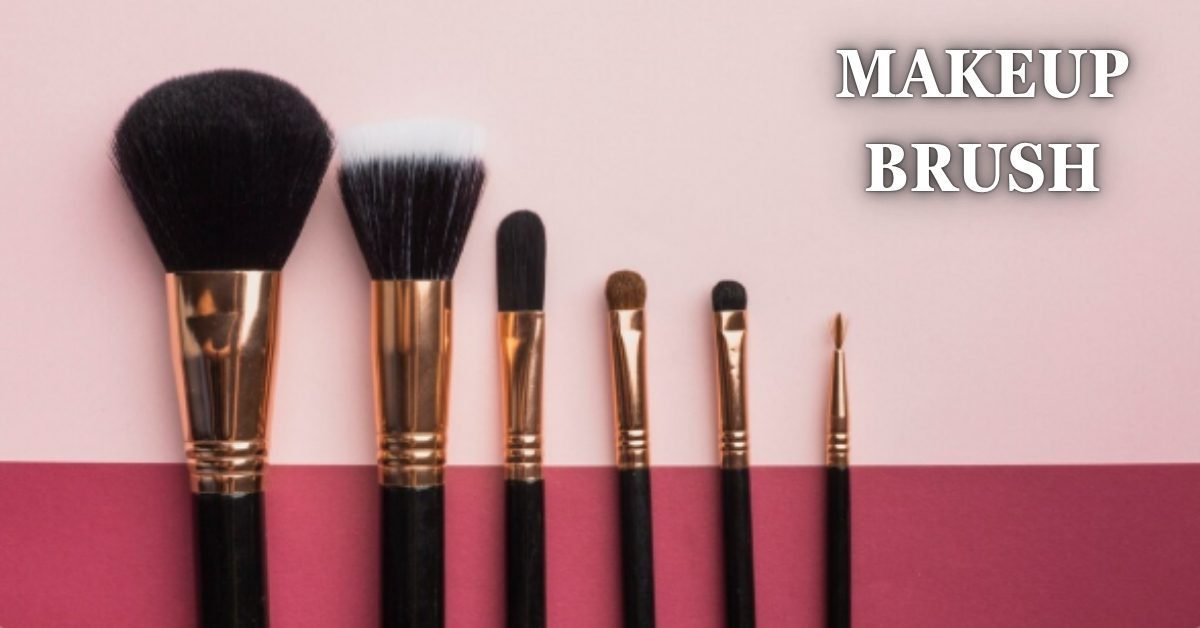
Every brush on the market is really a variation on a small number of core shapes, grouped by where they’re used.
Face brushes:
- Foundation brush, flat and tapered, spreads liquid or cream base evenly without streaking
- Powder brush, large and fluffy, dusts setting powder or loose powder foundation across the whole face
- Kabuki brush, short and densely packed, buffs cream or powder products into the skin for a more blended finish
- Blush brush, smaller and angled, deposits color onto the apples of the cheeks with more control than a powder brush allows
- Contour brush, angled and firm, places bronzer or contour product precisely along the cheekbone and jaw
Eye brushes:
- Flat eyeshadow brush, packs color onto the lid where you want the most pigment
- Blending brush, soft and fluffy, softens the edge between two eyeshadow shades so there’s no hard line
- Angled brush, works for eyeliner along the lash line or for filling in brows with powder
Lip brush
a small, flat brush that defines the lip line more precisely than applying lipstick straight from the bullet, useful for darker or matte formulas that show every uneven edge.
That’s eight brushes covering essentially every step of a full face. Most sets sold with twelve, eighteen, or twenty-four pieces are padding that number with near-duplicate shapes, a second blending brush in a slightly different size, a third powder brush that does the same job as the first.
The Capsule Brush Kit: Six Brushes That Cover a Full Face
Wardrobe capsules work on one idea: fewer pieces, chosen well, cover more situations than a closet stuffed with near-duplicates. The same logic applies here. A six-brush kit handles a complete face of makeup, base through eyes, without a drawer of brushes you reach for twice a year.
Here’s what actually earns a spot:
- A tapered foundation brush for liquid or cream base
- A large powder brush for setting powder and loose bronzer
- A small angled blush brush for cheeks and light contour
- A flat eyeshadow brush for lid color
- A fluffy blending brush for softening eyeshadow edges
- An angled brush that does double duty on eyeliner and brow powder
At drugstore prices, a set covering these six shapes runs roughly $12 to $20 for synthetic bristles. Stepping up to a mid-range brand like Sigma or Real Techniques puts the same six shapes closer to $35 to $55, with denser bristle packing and handles that hold up to years of daily washing rather than shedding after a season. Beyond that price range, you’re mostly paying for handle materials and brand name, not application results, the bristle quality gap between a well-made $10 brush and a well-made $10 brush from a different label is usually smaller than the marketing suggests.
Natural Bristles vs Synthetic, and Why It Actually Matters More Now
Natural bristles, typically goat or squirrel hair, have tiny cuticle layers that grip and hold powder product exceptionally well, which is why older brush sets leaned on them for powder brushes specifically. But natural hair is also porous, it absorbs liquid and cream formulas instead of depositing them evenly on skin, and it’s slower to dry after washing.
Synthetic bristles, usually a nylon or Taklon fiber, solve both problems. They don’t absorb product the way natural hair does, so liquid foundation and cream blush glide onto skin instead of soaking into the brush. They also dry faster after cleaning, which matters if you’re washing brushes weekly. Most brush lines released in the last few years, including budget and prestige brands alike, have shifted almost entirely to synthetic fibers for exactly this reason, not purely for cruelty-free marketing, though that’s a real benefit too. For a modern kit, synthetic bristles are the safer default across nearly every brush type, with natural hair only holding a real edge for very fine powder work where absorption isn’t a concern.
How to Use a Makeup Brush Without Wasting Product
Technique matters more than brush count, and most application problems trace back to one of these habits rather than the tool itself.
- Tap off excess product before the brush touches your face, a light initial swirl on the back of your hand or the lid of the compact prevents the heavy, cakey look that comes from overloading bristles
- Work in small sections and build coverage in thin layers rather than trying to get full opacity in one pass
- Use a light, sweeping motion for powder products and a stippling or patting motion for cream and liquid, since dragging cream foundation tends to streak rather than blend
- Clean the brush between different products in the same routine if you’re mixing multiple foundation or concealer shades, so colors don’t muddy together
The Brush Mistake That Undoes a Good Kit
The most common misconception is that more brushes automatically means better application, which is exactly backwards. A twenty-piece set with dull bristle edges and inconsistent density will underperform a well-chosen six-piece kit every time, because the actual variable that determines finish is bristle quality and shape precision, not quantity. This mix-up happens because bigger sets photograph better and feel like more value at checkout.
The fix is choosing based on what each brush shape is actually built to do, then replacing individual brushes as bristles wear down rather than buying an entirely new oversized set. A foundation brush with splayed, frayed bristles will streak no matter how skilled the technique behind it, and no eyeshadow blending brush lasts forever, most need replacing every twelve to eighteen months with regular use.
How Often to Actually Clean Your Brushes
Bacteria, oil, and dead skin cells build up on brush bristles with every use, and using a dirty brush can contribute to clogged pores and breakouts, which is why dermatologists generally recommend washing brushes used with liquid or cream products weekly, and brushes used only with powder every two to three weeks, according to the American Academy of Dermatology. A mild shampoo or dedicated brush cleanser, lukewarm water, and a flat surface to reshape and air dry the bristles is all that’s needed, and skipping the hot water matters since heat can loosen the glue holding bristles into the handle.
Letting brushes dry standing upright, bristles pointing down, is another detail worth getting right. Water can seep into the handle and loosen the glue over time if brushes dry the wrong way up, which is often why a decent brush starts shedding bristles months before it should.
Building This Into a Routine You’ll Actually Keep
None of this matters if the brushes sit in a drawer while you default to fingers every morning. The easiest fix is keeping the six-piece kit somewhere visible and building a two-minute cleaning habit into a weekly routine, similar to how building a beauty routine works better around what you already reach for than around an aspirational shopping list. If you’re drawn to fewer, better-made products generally, a minimalist line like Merit’s pared-down approach to makeup pairs naturally with a smaller brush kit, since both are built around doing one job well instead of stacking options you won’t use.
Conclusion
Six well-chosen brushes, matched to formula and cleaned on a real schedule, will outperform an oversized set every time. Start with a tapered foundation brush, a powder brush, an angled blush brush, and three eye brushes, then replace pieces individually as bristles wear rather than buying a new set from scratch.
FAQ
How many makeup brushes do you actually need?
Five to seven brushes cover a complete routine, one each for base, powder, blush, eye shadow, blending, and a dual-purpose liner or brow brush.
How often should you wash makeup brushes?
Wash brushes used with liquid or cream products weekly, and brushes used only with powder every two to three weeks.
Are synthetic or natural bristle brushes better?
Synthetic bristles work better for nearly everything since they don’t absorb liquid or cream product, while natural hair only holds an edge for very fine powder application.
Can you use makeup brushes for skincare too?
A clean, soft brush can apply cream masks or serums evenly, but it should be a separate brush from the ones used for color cosmetics to avoid transferring pigment or bacteria.
What’s the difference between a beauty sponge and a makeup brush?
A sponge presses and blends product into skin with a slightly diffused, dewy finish, while a brush deposits product with more precision and control, which is why most routines use both for different steps.