Lolita fashion is one of the most distinctive styles to emerge from Japanese street fashion. With its full skirts, delicate lace, ribbons, structured blouses, and carefully coordinated accessories, it creates a look that feels somewhere between historical clothing and modern street style. Despite the name, Lolita fashion is not simply about looking cute, and it is not cosplay. It is a fashion culture with its own silhouettes, styling traditions, sub styles, and community.
The style emerged in Japan during the 1990s and became strongly associated with Harajuku street culture. Today, it has communities around the world, with Japan’s government describing Lolita fashion as a Japanese fashion culture now enjoyed in more than 25 countries.
What Is Lolita Fashion?
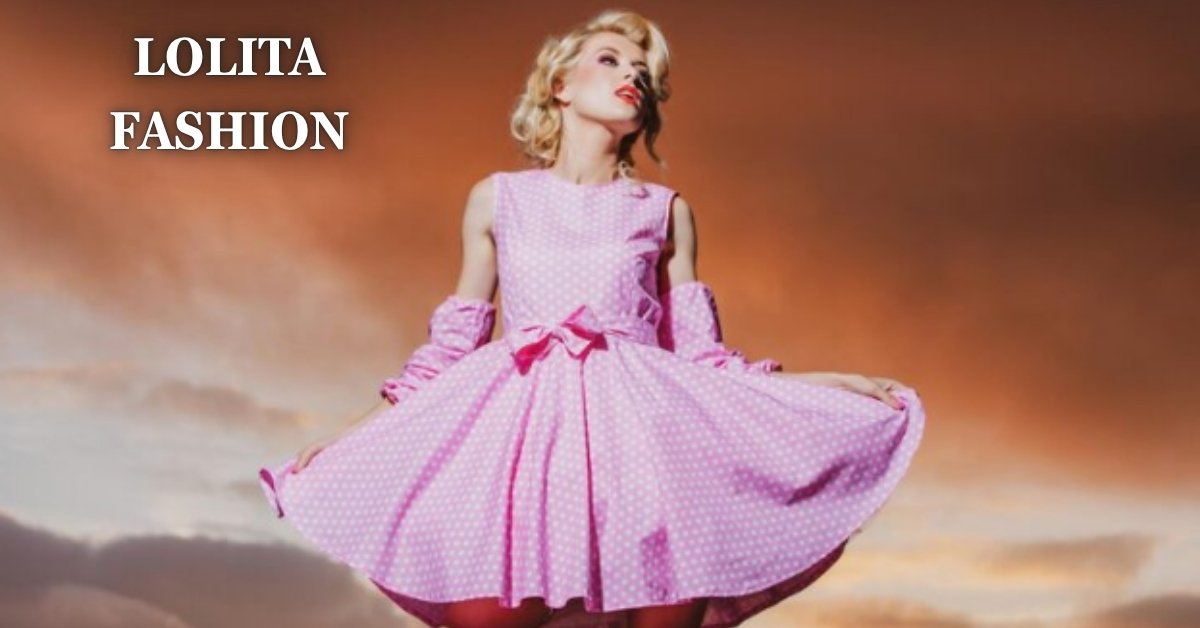
At its heart, Lolita fashion combines Victorian and Rococo-inspired clothing with Japanese kawaii aesthetics. A typical outfit may include a blouse, jumper skirt or one-piece dress, petticoat, tights or socks, coordinated shoes, and a head accessory.
The silhouette is particularly important. Rather than allowing a skirt to fall flat against the body, a petticoat creates a rounded bell shape or an A-line silhouette. Lace, bows, embroidery, decorative buttons, prints, and carefully selected accessories then build the personality of the outfit.
The Victoria and Albert Museum describes Lolita as a Japanese street style characterized by lacy frills, ruffles, modest accessories, and historical influences. It also emphasizes that Lolita should not automatically be treated as cosplay.
Why Is the Name Misunderstood?
The word “Lolita” can be confusing for people encountering the fashion for the first time because of its association with Vladimir Nabokov’s novel. In Japanese fashion culture, however, the term refers to a very different aesthetic centered on cuteness, elegance, modesty, and elaborate dressing. The literary association should therefore not be used as the definition of the fashion.
The History of Lolita Fashion
Lolita fashion developed in Japan through the combination of several visual influences, including historical European clothing, kawaii culture, Japanese boutique fashion, and elements of the Visual Kei scene. The recognizable Lolita style took shape during the late twentieth century, particularly around Tokyo’s Harajuku fashion culture.
From Harajuku to the World
Harajuku played an important role in giving alternative Japanese street styles a physical home. Street-snap magazines and fashion publications helped enthusiasts discover outfits and develop their own coordinates before social media became the dominant source of fashion inspiration.
The 2004 Japanese film Kamikaze Girls also helped introduce Lolita fashion to a much wider audience. According to Japan’s government publication, the film became an important turning point in bringing the style beyond its relatively small original community.
Main Lolita Fashion Styles
There is no single way to wear Lolita. The three best-known branches are Sweet Lolita, Gothic Lolita, and Classic Lolita, although many additional variations exist.
Sweet Lolita
Sweet Lolita is probably the style most people picture first. It uses pastel shades, bows, cute prints, rounded silhouettes, and playful accessories. Dresses may feature motifs such as strawberries, cakes, candy, animals, toys, or storybook imagery.
The overall effect is intentionally whimsical and cheerful. Pink, cream, white, mint, lavender, and light blue are common choices, although Sweet Lolita is not restricted to a particular color palette.
Gothic Lolita
Gothic Lolita takes the traditional Lolita silhouette in a darker direction. Black, burgundy, deep purple, navy, and white are common, while motifs may include roses, crosses, bats, stained-glass-inspired designs, or other gothic imagery.
Gothic Lolita developed through the meeting of the existing Lolita silhouette with Japan’s gothic and Visual Kei aesthetics. It is therefore better understood as a Lolita substyle than as simply “goth clothing with a big skirt.”
Classic Lolita
Classic Lolita is generally more restrained and mature. It draws strongly from historical European references, using muted colors, floral patterns, elegant fabrics, and less exaggerated decoration.
Navy, ivory, brown, burgundy, forest green, dusty pink, and other subdued shades work especially well. Compared with Sweet Lolita, the overall impression is often closer to an elegant vintage wardrobe than a fantasy-inspired outfit.
What Makes a Lolita Outfit?
A Lolita coordinate, often called a coord, is more than simply putting on a frilly dress. Each component contributes to the overall silhouette and visual balance.
Dresses and Petticoats
The dress or skirt establishes the foundation, but the petticoat creates much of the recognizable shape. A good petticoat gives the skirt controlled volume rather than random bulk.
Jumper skirts, often called JSKs, are particularly common. They are designed to be worn with a blouse underneath, while one-piece dresses can provide a complete outfit on their own.
Accessories and Shoes
Head bows, bonnets, headdresses, ribbons, tights, socks, gloves, handbags, and jewelry can all become part of the coordinate. Shoes should also make sense with the chosen sub style, whether that means classic Mary Janes, elegant pumps, boots, or decorative platforms.
The trick is coordination rather than simply adding as many accessories as possible. A successful outfit usually feels intentional from head to toe.
How to Wear Lolita Fashion Today
One of the easiest mistakes for beginners is trying to buy every traditional piece at once. Instead, start with one strong dress or jumper skirt and build the coordinate around it.
Think about color, silhouette, occasion, and personal style before shopping. If you prefer understated clothing, Classic Lolita may feel more natural. If you love bright colors and playful prints, Sweet Lolita could be a better match. Those who prefer dramatic black outfits may naturally gravitate toward Gothic Lolita.
Modern wearers also adapt the fashion to everyday life. A complete coordinate can be reserved for events and gatherings, while individual elements such as blouses, cardigans, skirts, or accessories can sometimes work with a more conventional wardrobe.
Lolita Fashion vs. Cosplay
Lolita fashion and cosplay can look similar from a distance because both may involve elaborate clothing, but their purposes are different. Cosplay generally represents a particular character or fictional world, while Lolita is a fashion style that people can wear without portraying anyone.
This distinction matters because Lolita is not dependent on a character reference. A person can develop a personal wardrobe around Sweet, Gothic, Classic, or another Lolita style without dressing as a fictional character.
Why Lolita Fashion Still Matters
The appeal of Lolita fashion goes beyond its visual appearance. For many wearers, the clothing creates an opportunity to express personality in a way that mainstream fashion may not provide. The carefully constructed silhouette, elaborate details, and strong sense of identity make getting dressed feel more like creating an outfit than simply choosing clothes.
Its international growth also shows how Japanese street fashion can cross cultural boundaries without losing its identity. Japan’s official government publication reports that the style has spread to more than 25 countries, particularly noting its growing popularity in Asia.
How to Start a Lolita Wardrobe
If you’re interested in trying Lolita fashion, begin with research rather than impulse purchases. Study different coordinates and decide which sub style feels closest to your personality.
A practical first wardrobe might include:
- One versatile JSK or one-piece dress
- A coordinating blouse
- A suitable petticoat
- Tights or socks
- Comfortable shoes
- One head accessory
- A small coordinating bag
You do not need an enormous wardrobe immediately. Starting with pieces that can work together gives you more opportunities to experiment while avoiding unnecessary purchases.
Lolita Fashion in Modern Style
Lolita continues to evolve while keeping its recognizable foundations. Current fashion discussions show renewed interest in romantic, gothic, historical, and highly decorative aesthetics, trends that naturally overlap with parts of Lolita’s visual language.
That does not mean every modern romantic or gothic outfit is Lolita. The defining silhouette and coordination still matter. Instead, the wider fashion world provides new ways for Lolita enthusiasts to experiment with textures, layering, colors, and accessories.
Conclusion
Lolita fashion is much more than lace, bows, and oversized skirts. It is a Japanese street fashion culture shaped by historical European clothing, kawaii aesthetics, boutique design, and decades of community creativity. Sweet, Gothic, and Classic Lolita offer different ways to explore the same fundamental love of structured silhouettes and detailed styling.
For anyone discovering the style today, the best approach is to learn the basics, experiment with different coordinates, and choose pieces that genuinely fit your personality. Whether you prefer pastel sweetness, dark romantic clothing, or understated historical elegance, Lolita fashion leaves plenty of room to create a look that feels distinctly your own.
FAQ
Is Lolita fashion the same as cosplay?
No. Lolita is primarily a fashion style and subculture rather than character cosplay. Wearers generally create personal coordinates instead of portraying a specific fictional character.
What are the three main types of Lolita fashion?
The three widely recognized core styles are Sweet Lolita, Gothic Lolita, and Classic Lolita. Other variations include Punk, Sailor, Country, Wa, Qi, Hime, and additional themed styles.
Why do Lolita dresses have so much volume?
The volume usually comes from a petticoat worn underneath the skirt. It helps create the rounded bell or A-line silhouette that is strongly associated with Lolita fashion.
Can Lolita fashion be worn casually?
Yes. A full coordinate can be quite elaborate, but individual Lolita-inspired pieces can also be incorporated into everyday outfits. Some wearers create simpler coordinates for shopping, work, social events, or casual outings.
Is Lolita fashion still popular?
Yes. Although its visibility changes across different fashion markets, Lolita remains an active international fashion culture. Japan’s government reported in 2025 that it had spread to more than 25 countries, with particularly strong growth in parts of Asia.