Suede sandals wear out in a different place than suede boots do, and almost nothing written about suede care accounts for that. Most suede advice comes from coat and boot brands worried about rain and road salt. Sandals face a completely different threat: bare skin, sweat, and constant friction right where the strap crosses your foot. By the end of this piece, you’ll know which suede colors and shapes actually hold up, how to style them without looking like everyone else’s Pinterest board, and what wears them out before a single rainy day even happens.
Short Answer
Suede sandals hold up fine with normal wear, but the damage usually starts at the strap line from skin oil and sweat, not from rain. Choose a mid-tone color, rotate pairs so the suede can rest between wears, and skip them on beach days or in heavy humidity.
What Makes Suede Different From Smooth Leather Sandals
Suede comes from the underside of the hide, the softer, fuzzier layer that sits beneath the tougher outer skin used for smooth leather. That’s what gives it the napped texture people love, but it’s also why suede absorbs moisture and oil far faster than a finished leather sole or strap ever would. Most suede sold for shoes comes from lamb, goat, or calf, and the thinner the hide, the softer and more delicate the nap tends to feel underfoot.
On a boot or a jacket, that nap sits away from your skin most of the day. On a sandal, it doesn’t. The strap runs directly against bare foot, ankle, or toe, which means body oil and sweat reach the suede constantly instead of occasionally. That single difference is the reason a lot of generic suede care advice doesn’t quite fit this category.
Where the Suede Sandal Advice Everyone Repeats Goes Wrong
Search “suede care” and you’ll get the same warning over and over: keep it away from rain. That’s true, and it matters for boots and jackets. But for sandals specifically, rain usually isn’t the first thing that damages the suede. Most suede sandal wear starts at the strap-to-footbed seam and along the inside edge where the strap presses against skin all day.
Body oil breaks down the nap faster than a light drizzle ever will, and it happens quietly. The suede darkens slightly at the contact points first, then the fibers flatten and start to look shiny instead of fuzzy. By the time someone notices, they usually blame a rainy commute from three weeks earlier instead of the actual cause. Knowing this changes what you actually protect against. A waterproofing spray helps, but wiping the strap lines with a dry suede brush every few wears does more for a sandal’s lifespan than avoiding puddles ever will.
How to Style Suede Sandals This Season
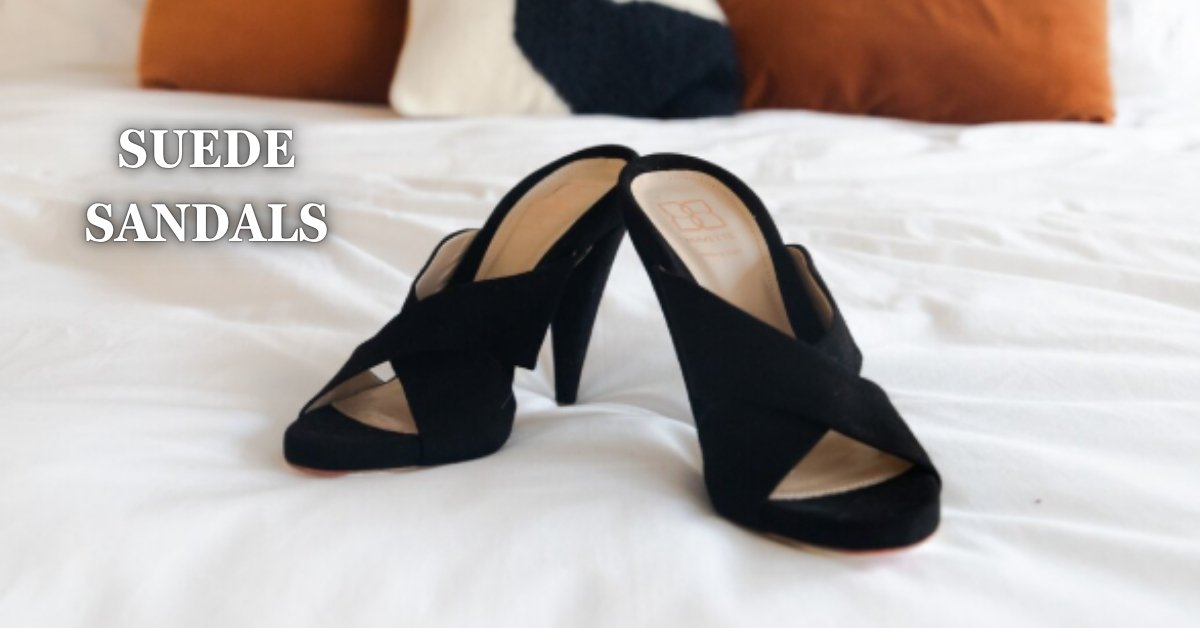
Suede sandals work best when the rest of the outfit stays in natural, slightly matte fabrics, since suede’s texture reads as more expensive next to linen, cotton twill, or raw denim than it does next to anything shiny. A cognac or chocolate suede slide sandal with a low block heel pairs well with wide-leg linen trousers and a simple tank, the kind of combination that reads put together without trying hard. For dresses, a taupe or putty suede thong sandal keeps a slip dress from feeling too formal for daytime, especially in a lighter, warm-toned suede rather than black.
Petite frames tend to do better with a strap that sits low on the foot rather than one that wraps the ankle, since ankle straps can visually shorten the leg line. That’s the same proportion issue covered in this site’s petite dress fit guide, and the logic carries over directly to sandal shape.
Denim works too, but the pairing depends on wash. A mid-blue or white denim reads more relaxed with suede, while raw indigo can look slightly too heavy against a soft nap finish. Gold or brass jewelry tends to sit better with warm suede tones like cognac or camel, while silver reads cleaner against cooler tones like gray or putty.
Which Color and Shape Actually Earns Its Keep
Not every suede sandal color pulls its weight in a wardrobe, and this is where a lot of shopping guides stay too vague to be useful. Mid-tone neutrals hide the early strap-line darkening far better than anything at either end of the color spectrum.
- Cognac or chestnut: hides oil discoloration well and pairs with both denim and dresses.
- Taupe or putty: reads dressier and works for work-to-dinner outfits, but shows dirt faster than darker tones.
- Black: the most versatile on paper, but strap-line shine shows up more visibly against a dark, matte nap.
- Pastel or bright suede: the hardest to keep looking new, best treated as a short-season piece rather than a long-term investment.
Block heels and low wedges tend to outlast thin, unstructured straps because they distribute weight more evenly across the suede rather than concentrating pressure on one seam. A flat slide with a single wide strap is a reasonable everyday choice too, as long as the strap has some structure to it rather than collapsing flat against the foot.
Caring for Suede Sandals Without Overdoing It
Suede care doesn’t need to be complicated, and treating it like a fragile heirloom actually shortens how often you’ll wear the shoes at all. A few consistent habits do more than any single deep clean.
- Brush the strap line with a dry suede brush every third or fourth wear to lift oil buildup before it sets.
- Spray a suede protectant on new pairs before the first wear, then reapply every few months with regular use.
- Let any moisture dry completely before brushing it out, since brushing wet suede pushes dirt deeper into the nap.
- Stuff sandals with tissue when storing them for the season, which helps the strap keep its shape instead of creasing.
- Rotate between two pairs if you wear suede sandals often, giving the fibers time to recover between wears.
Avoid rubbing alcohol or vinegar as a first response for sandals specifically. Those methods work on suede boots because the surface area is larger and less exposed, but on a thin sandal strap they can dry out the fibers unevenly and leave a visible patch.
When Suede Sandals Aren’t the Right Call
Suede isn’t the right material for every situation, and it’s worth saying plainly instead of pretending one pair does everything. Beach days, pool trips, and anywhere sand or standing water is likely will damage suede faster than normal wear ever would. Humid climates are trickier too, since constant moisture in the air slows drying time and makes the strap-line breakdown happen faster than in a drier region.
If you’re choosing between suede and something more weatherproof, the same trade-off shows up across other shoe categories on this site, where sneakers and everyday pairs get evaluated on exactly this kind of durability question. For genuinely wet or high-sweat conditions, a smooth leather or a treated synthetic strap will hold up with far less maintenance than suede, even if it doesn’t have quite the same texture.
Conclusion
Suede sandals earn their reputation for looking expensive, but they ask for a little attention in return, mostly at the strap line rather than the places most care guides point to. Brush them regularly, rotate pairs if you wear them often, and skip them on beach or heavy-rain days. Do that, and one good pair in a mid-tone color like cognac or taupe will carry you through an entire warm season without looking tired by August.
FAQ
Can suede sandals get wet?
Light moisture is fine if you let them air dry fully before brushing, but standing water or heavy rain can leave permanent watermarks on the nap.
How do you clean suede sandals without ruining them?
Let any dirt or moisture dry completely first, then use a dry suede brush in short strokes along the grain, saving suede cleaner or an eraser for stubborn spots only.
Do suede sandals stretch over time?
Suede does soften and give slightly with wear, especially across the strap, so a snug fit at first is usually more comfortable within a few wears.
What should you wear with suede sandals?
Linen trousers, slip dresses, and mid-wash denim all pair well, since suede’s matte texture works best next to other natural, non-shiny fabrics.
Are suede sandals good for everyday wear?
Yes for dry climates and most casual settings, but they hold up better as a rotation piece than a daily shoe worn in every weather condition.